

If you’ve been noticing strange pop-ups and search redirects that land you on suspicious pages,like G0st.com, Iadispatcher or Antiinject.info, if a couple of obnoxious ads are permanently plastered across your browser, it’s clear that you are dealing with a browser hijacker. The good news I’ve got for you is that this isn’t really a virus, though it’s still something that you don’t want in your system.
Tongtonger.click probably managed to gain various permissions in your browser after you absent-mindedly clicked on a fake “Allow” CAPTCHA or installed a sketchy browser add-on without even realizing. What happened next is that the hijacker started pushing fake antivirus warnings, rerouting you to shady websites, or even tricking you into sharing personal details.
Don’t be fooled by its appearance – hijackers like Tongtonger.click aren’t trying to protect your device, but to manipulate you into unsafe clicks and downloads. Maybe Tongtonger.click won’t delete your files directly, but it can easily expose you to various types of online scams, which could often be worse than a software virus.
To get back control, you’ll need to fully clean your browser and system, which I’ll walk you through below. Alternatively, for a quicker, easier, and safer removal, you can use SpyHunter 5 and let it take care of business for you.
We tested that SpyHunter successfully removes Tongtonger.click* and we recommend using it. It will block Tongtonger.click from reinstalling itself and it will make sure your device is clean from any malware.
 Try Free For 7 Days*
Buy now15% OFF if you buy straight without trial.
 OFFER
OFFERTongtonger.click Removal Tutorial
Start by slowing the process down and taking inventory. Work inside the browser first, confirm what’s installed, and then review which sites can display notifications or access hardware. Only after that should you escalate to system checks. Keeping a short log of what you change will help you undo mistakes quickly. Tongtonger.click spreads impact by hiding behind ordinary browser features, so methodical verification is your best lever.
Quick Steps to Remove Tongtonger.click
- 1.1Begin with visibility rather than deletion: open your everyday browser and enter Settings.
In Chrome, select the three dots at the upper right.
In Firefox, click the three horizontal bars in the same spot.
Open Extensions or Add-ons, then scan for unfamiliar entries or lookalikes of trusted tools. If Tongtonger.click arrived as an add-on, you’ll usually catch it here on the first pass. - 1.2Problem→diagnosis→fix: unknown extension appears, its trust is uncertain, so evaluate before removal. Inspect each item’s name, icon, permissions, and description. Watch for excessive access, vague publishers, or misspellings. If doubts remain, click Remove. Still unsure? Search the exact name in quotes to surface reports, then decide with better context.
- 1.3Cause→effect→action: persistent alerts suggest lingering permissions. Go to Privacy and security and open Site permissions. Review entries for microphone, camera, location, and notifications. Revoke access for sites you don’t remember approving. Consider disabling Background sync if listed, which sometimes keeps nagging prompts alive between sessions.
- 1.4Decision-rule: if a domain isn’t recognized, it doesn’t keep access. Remove those sites from permissions, close the browser completely, and relaunch it so the updated rules apply. A full restart of the app clears cached state and helps confirm that redirects and pop-ups stop immediately.
These early checks frequently restore normal behavior. If the homepage, search engine, or notification spam persists afterward, it usually means configuration is being enforced outside ordinary preferences. Move on carefully to the policy and system steps to eliminate the persistence layer and keep it from returning.
SUMMARY:
| Name | Tongtonger.click |
| Type | Browser Hijacker |
| Detection Tool |
Some threats reinstall themselves if you don’t delete their core files. We recommend downloading SpyHunter to remove harmful programs for you. This may save you hours and ensure you don’t harm your system by deleting the wrong files. |
How to Remove the Tongtonger.click Virus
When a personal browser suddenly shows “Managed by your organization”, treat that as a configuration warning. Policies can lock settings and silently reapply changes, which makes normal toggles appear ineffective. Clear those entries first so preference changes stick. Staying organized and cautious avoids accidental removal of legitimate controls while addressing Tongtonger.click at its source.
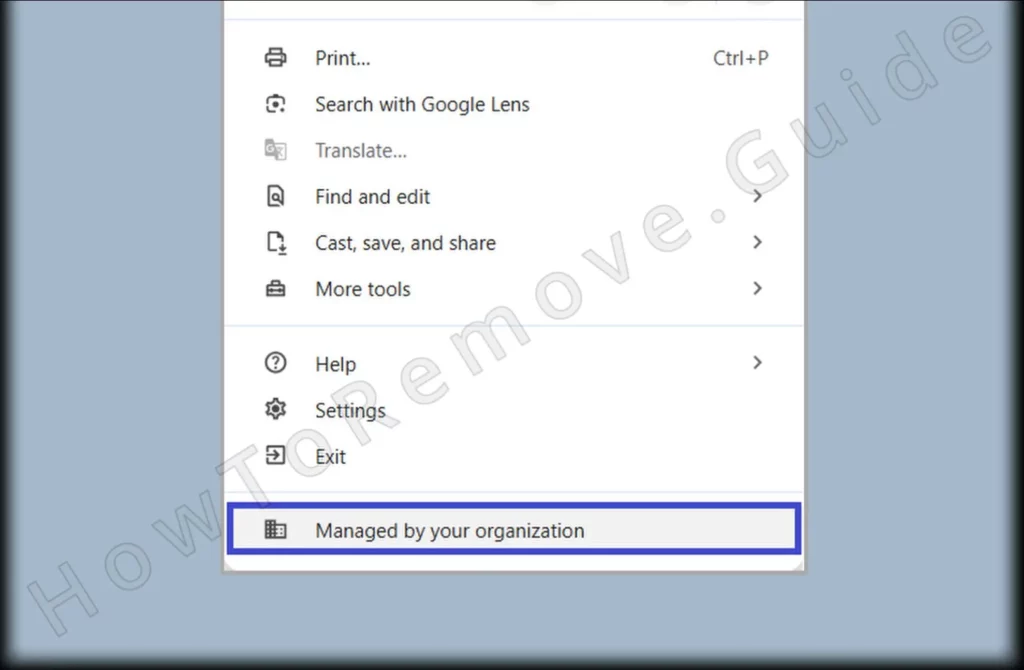
1. Identify the Tongtonger.click Policies
- 1.1
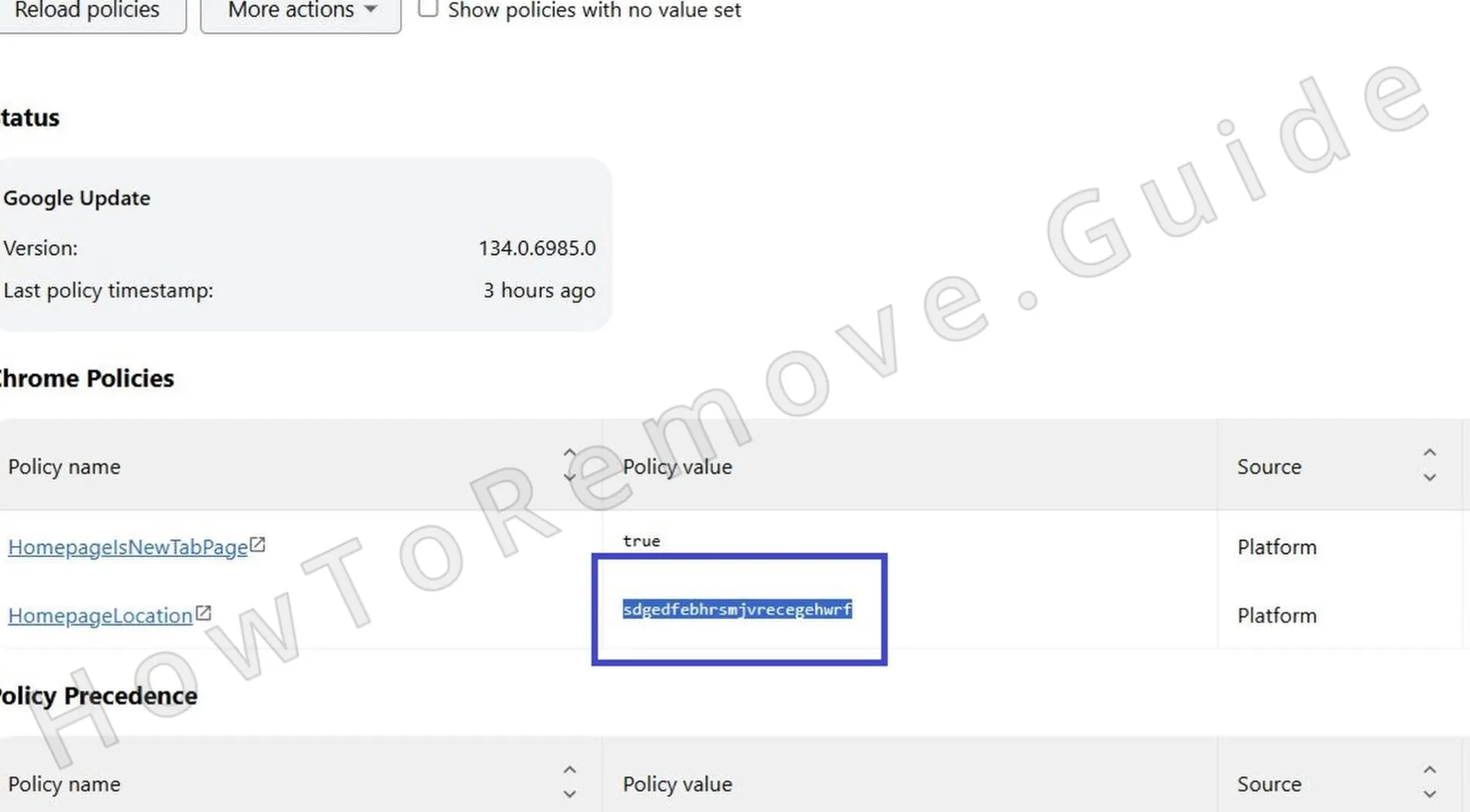 Brief question→answer: what activates that management banner? Policies listed by the browser. In Chrome, type chrome://policy and press Enter; in Edge, use edge://policy. Let the page load and read each entry slowly. Note unfamiliar names or values that don’t match your usual tools because Tongtonger.click often hides behind generic wording.
 - 1.2Cause→effect→action: vague identifiers lead to missed threats, so expand details and examine values closely. Look for unusual URLs, opaque JSON, or settings you would not deliberately apply. Record or screenshot suspicious policy names and values. These identifiers will guide you to the exact files and registry keys that need removal.
- 1.3Scenario: a policy references an add-on you can’t clearly identify. Open Extensions and toggle Developer mode at the upper right. Write down each extension’s ID and install path. With these IDs, you can map policies to specific folders, reducing guesswork and minimizing the chance of deleting something legitimate.
- 1.4Problem→diagnosis→fix: if the Extensions page won’t load or instantly closes, bypass the interface. Open File Explorer to work directly with profile data. Managing files on disk prevents scripts from blocking access to the management page or toggles.
- 1.5
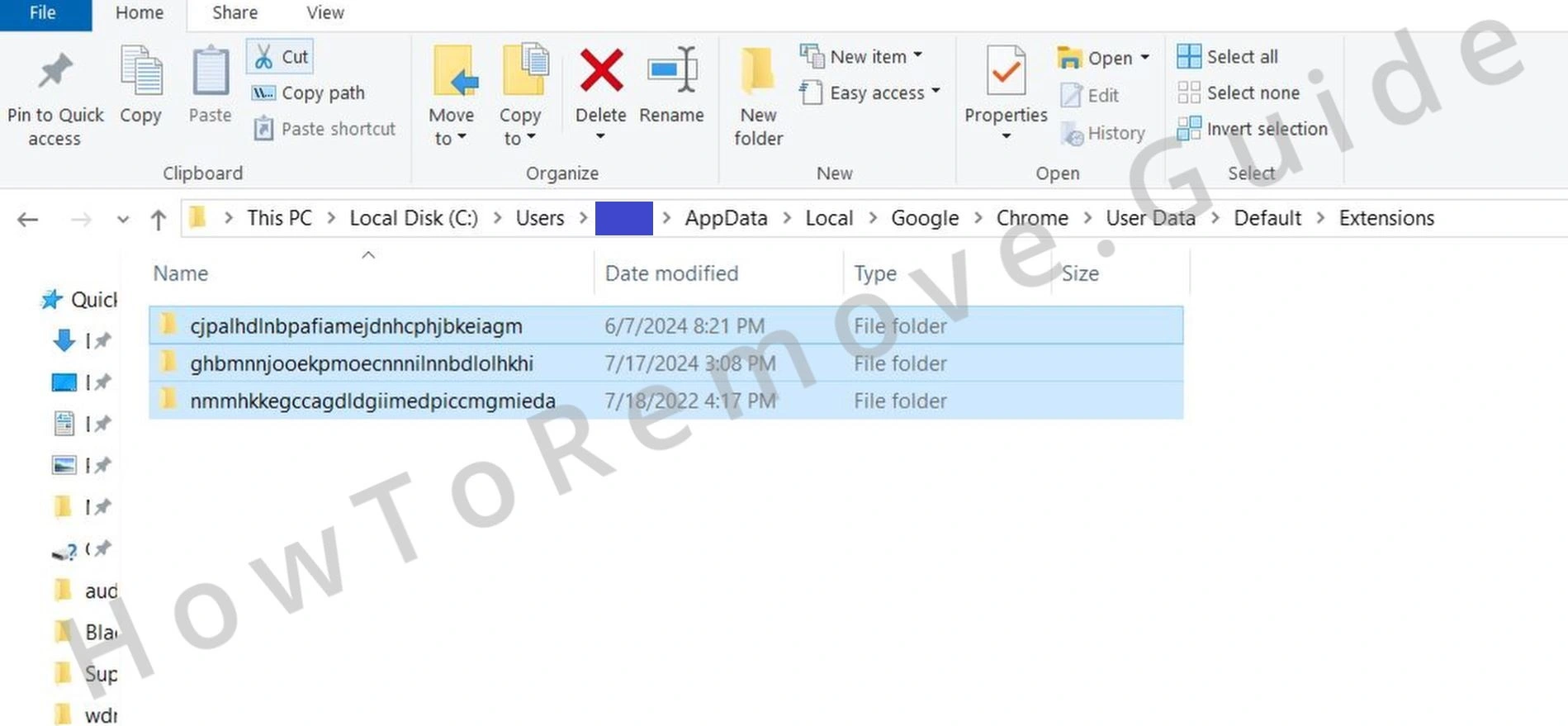 Micro-checklist embedded in prose: in File Explorer, navigate to C:\Users[Your Username]\AppData\Local\Google\Chrome\User Data\Default\Extensions, compare the folder names to the IDs you captured, confirm the match, and then delete that specific folder. Removing the correct directory breaks the link between the policy entry and the add-on.
 - 1.6
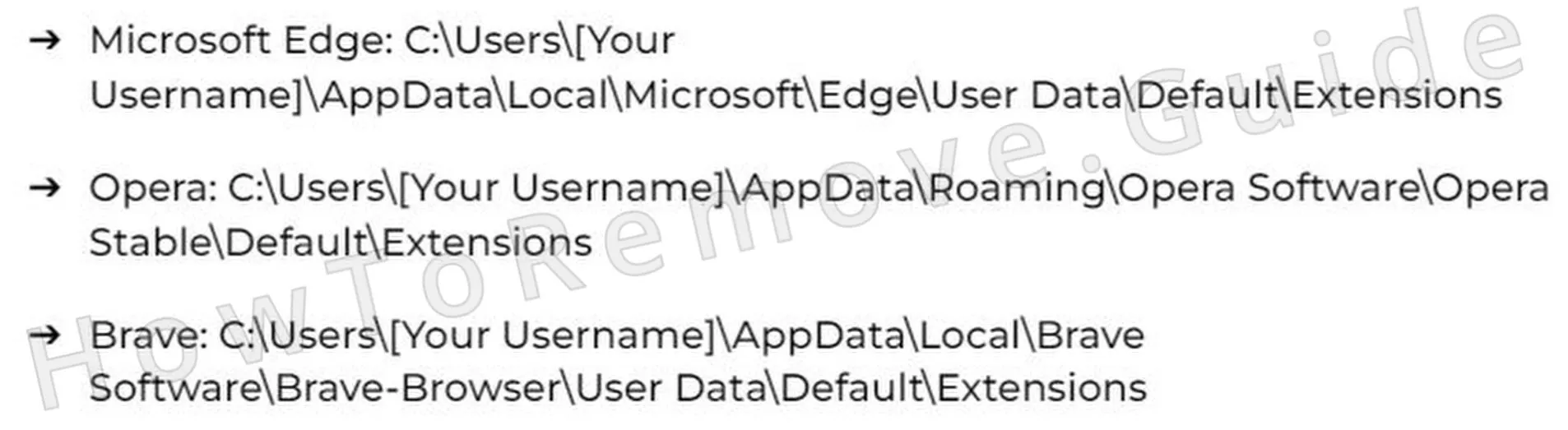 Decision-rule for Chromium variants: different browser, nearly identical path. Under each browser’s AppData tree (for Brave, Opera, and similar), locate their Extensions folder, match by ID, and remove the offending directory. Consistency across Chromium makes this process repeatable.
 - 1.7Cause→effect→action: after on-disk removal, the UI should reflect the change. Return to Extensions with Developer mode still enabled and confirm the entry is gone. If it reappears, remove it again, temporarily turn off sync, and check for stray profile data that may be restoring it during sign-in.
Get Rid of Tongtonger.click Policies
Policy-backed settings can override your choices at every launch, so handle them before fine-tuning preferences. Proceed slowly, back up the registry, and adjust permissions only when a key resists deletion. Keep notes of each change for easy rollback. Done right, this approach removes enforcement without destabilizing other software that relies on policy keys left intact by design. Tongtonger.click often uses vendor-specific hives to persist.
2. How to Delete Tongtonger.click Policies Through the Registry
- 2.1Brief question→answer: how do you safely edit policy keys? With a backup and a plan. Press Win + R, type regedit, and press Enter to open Registry Editor. Immediately export a backup via File > Export. If Tongtonger.click left policy entries behind, this snapshot lets you restore the prior state if something goes wrong.
- 2.2Problem→diagnosis→fix: you know a policy name or extension ID, but not its locations. Use Ctrl + F or Edit > Find, search for that exact text, and repeatedly click Find Next. Delete each matching entry tied to the hijack, then continue searching until no additional results appear across all branches.
- 2.3
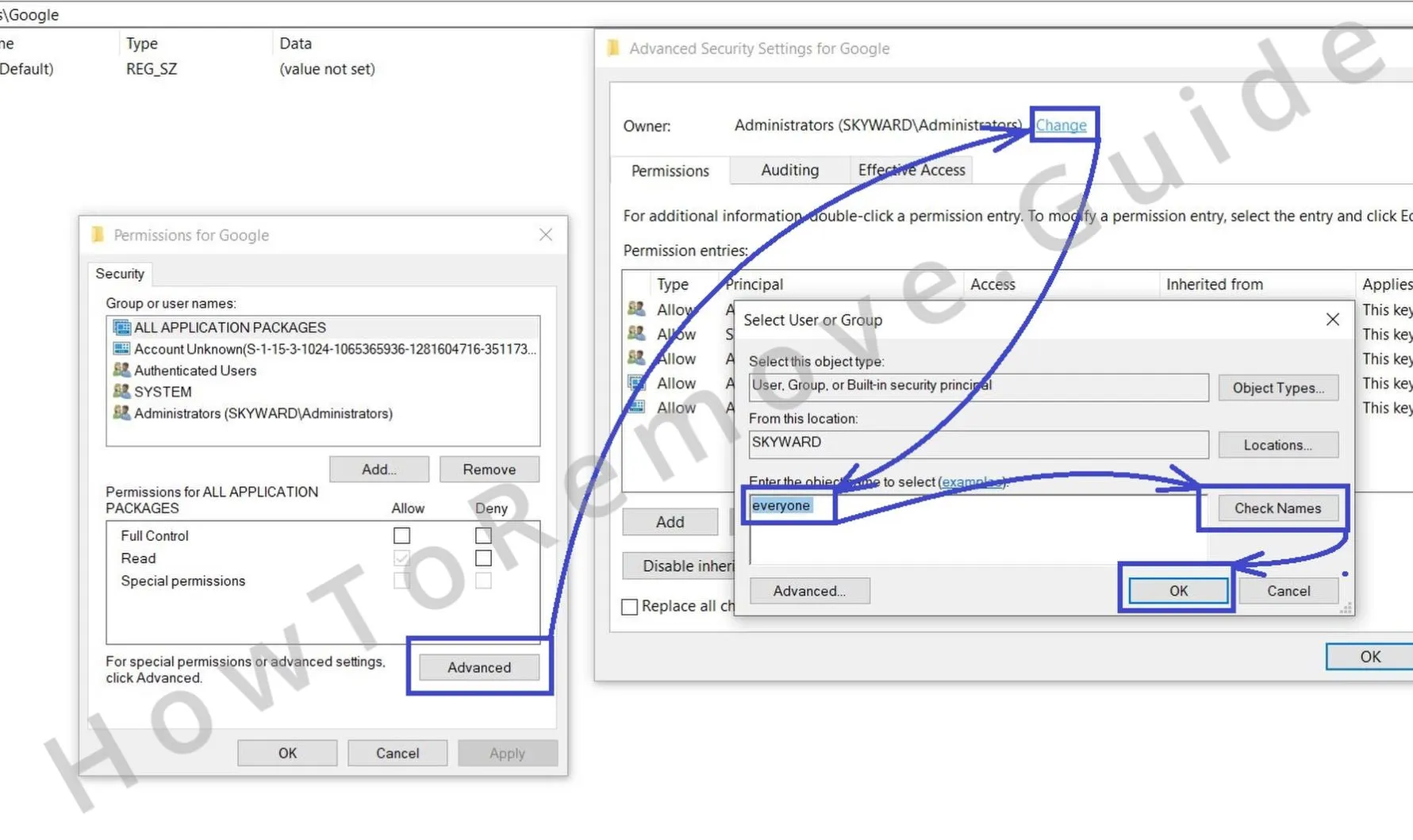 Scenario: a stubborn key denies removal due to rights. Right-click it, choose Permissions, click Advanced, then Change next to Owner. Enter Everyone, select Check Names, and click OK. With ownership corrected, you’ll have the necessary rights to modify or delete the blocked key.
 - 2.4
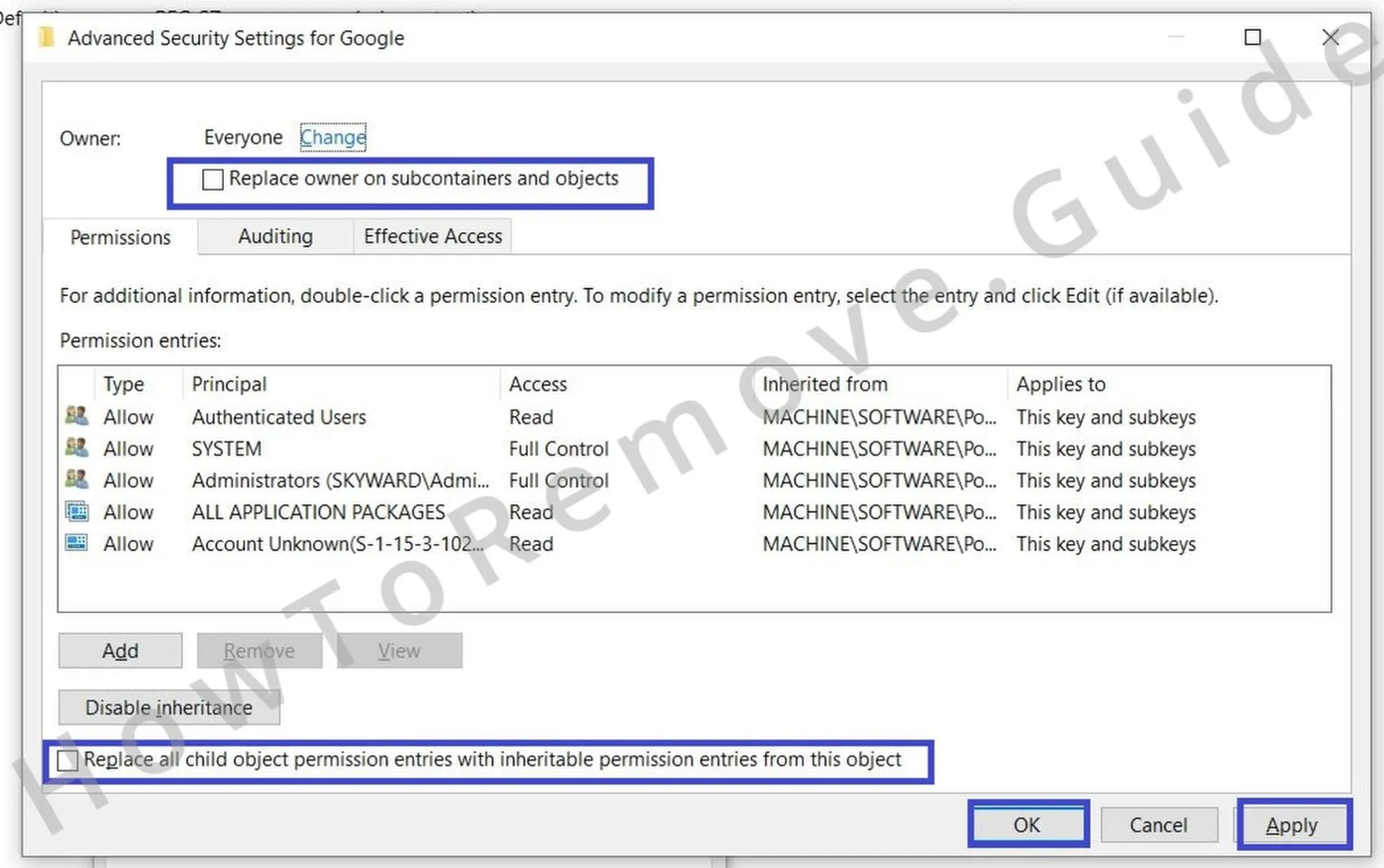 Micro-checklist embedded in prose: enable Replace owner on subcontainers and objects, enable Replace all child object permission entries with inheritable permission entries from this object, click Apply, click OK, remove the key, then restart Windows. After reboot, open the browser to verify the Managed by your organization message is gone and settings now hold.
This gives you the access needed to delete the rogue key.
Alternative Tools to Delete Tongtonger.click Policies
Occasionally, policy remnants live in Local Group Policy or vendor templates that outlast basic cleanup. Widening the search to Windows’ policy consoles and a reputable browser-policy remover can reveal stubborn controls you missed. Run tools with administrative rights, stick to sources you trust, and follow with a reboot so policy caches reinitialize cleanly. This broader pass often clears the final traces associated with
3. Other Ways to Get Rid of Tongtonger.click Policies
- 3.1
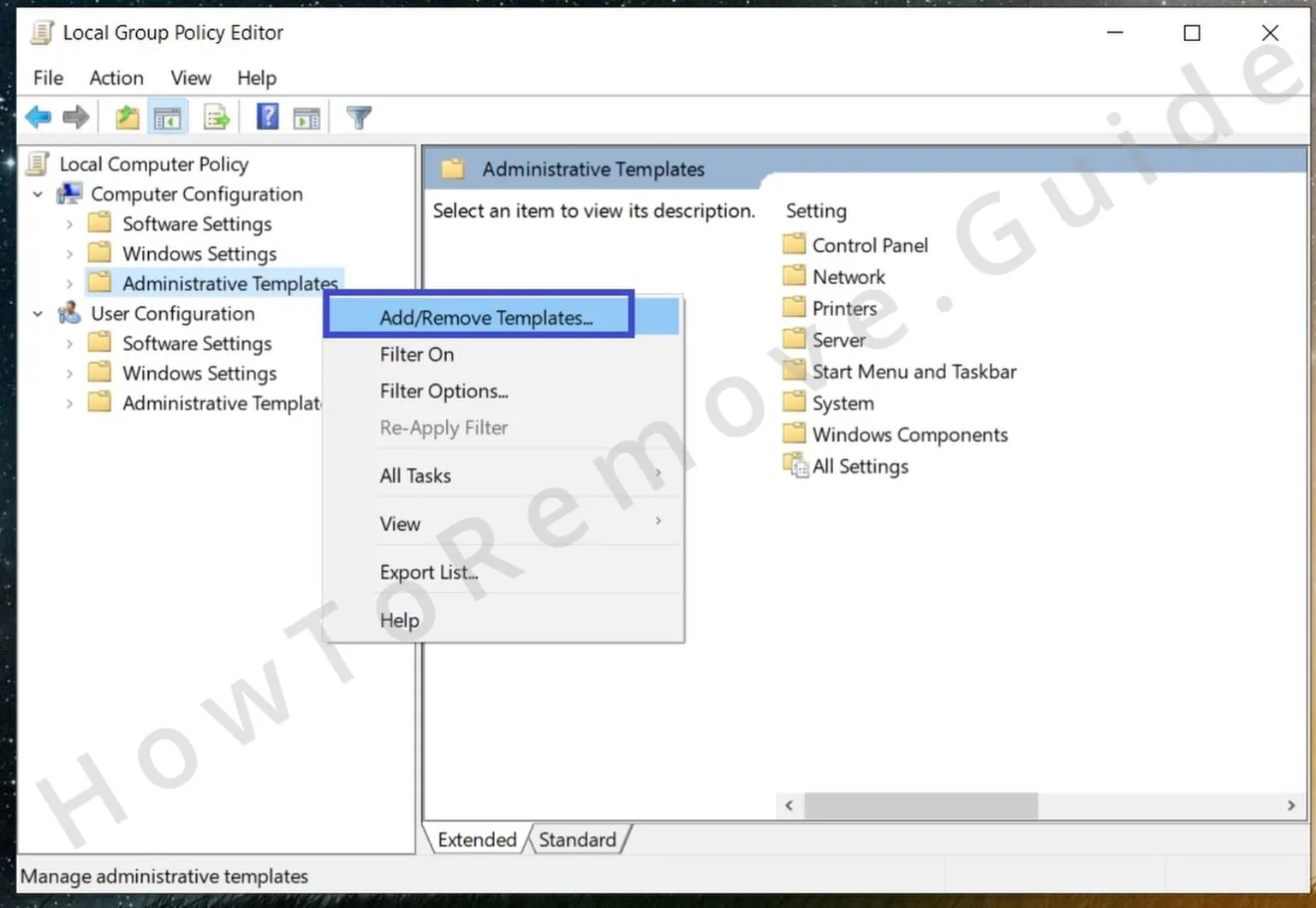 Cause→effect→action: if registry edits didn’t resolve it, open the Local Group Policy Editor. Press Win + S, type Edit Group Policy, press Enter, then expand Administrative Templates. Entries configured here can override browser preferences and silently reapply unwanted settings linked to Tongtonger.click.
 - 3.2
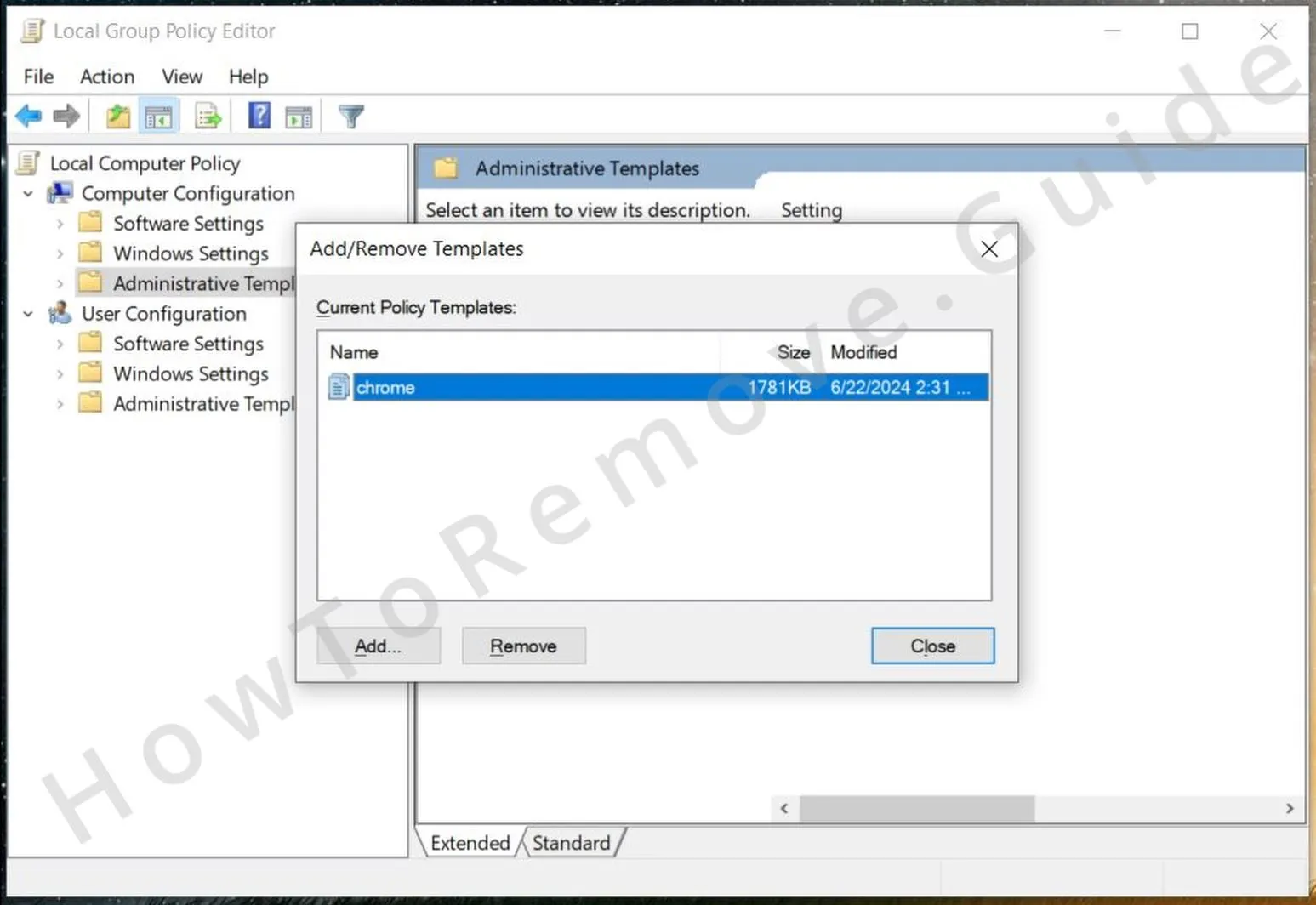 Decision-rule: remove templates you don’t remember adding. Right-click Administrative Templates, choose Add/Remove Templates, and delete unfamiliar ones. Clearing stray templates can dismantle custom policies that enforce undesired behavior at a system level.
 - 3.3Brief question→answer: need a targeted cleanup for Chrome-related policies? Yes – use a trustworthy Chrome Policy Remover utility. Install it, then right-click and choose Run as administrator so it can enumerate protected areas and reset hidden values. Administrative context ensures complete visibility.
- 3.4Problem→diagnosis→fix: if Windows Security flags the tool yet you trust it, click More info then Run anyway. After cleanup, reboot and check chrome://policy or edge://policy again. The absence of suspicious entries confirms the policy layer is no longer enforcing changes.
Uninstall Tongtonger.click From Chrome, Edge, and Other Browsers
The last phase ensures the profile is clean so settings don’t regress. Residual data, altered search providers, and hijacked startup pages can revive symptoms even after policy removal. Work in sequence through extensions, data, permissions, search, and startup. A final restart of the browser verifies that the corrected state holds across new sessions. This is the part where patience pays off against Tongtonger.click.
4. How to Remove Tongtonger.click From Your Browser
- 4.1Decision-rule: if an add-on isn’t recognized, remove it now. Reopen Extensions or Add-ons and uninstall suspicious entries immediately. If the same one returns, sign out of sync temporarily, delete it again, and proceed. This prevents cloud settings from reintroducing artifacts tied to Tongtonger.click during login.
- 4.2
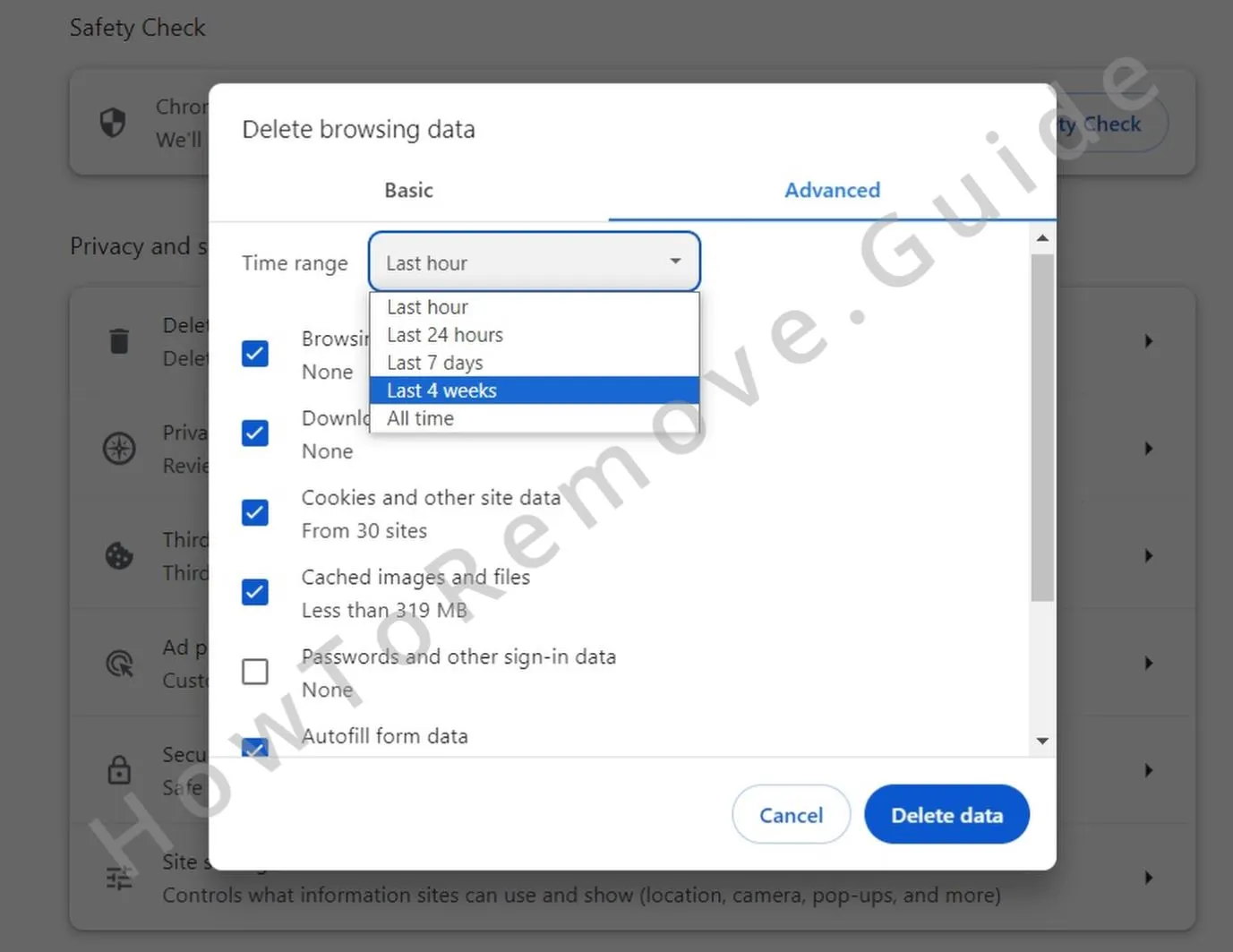 Cause→effect→action: lingering site data can drive redirects or pop-ups. Open Clear browsing data, set the Time range to All time, select everything except Saved passwords, then click Clear data. This removes cookies, caches, and local storage entries that keep unwanted behavior alive.
 - 4.3
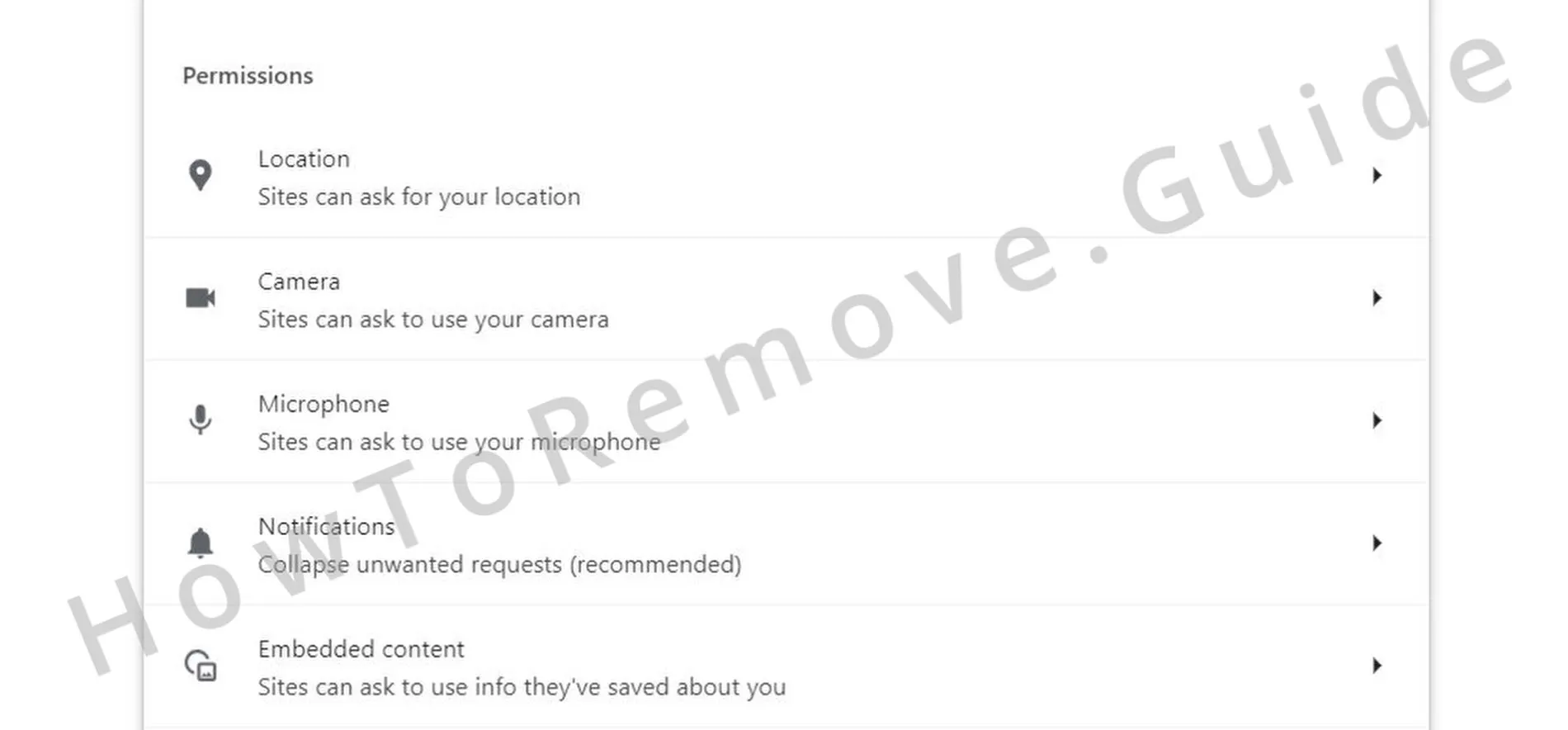 Brief question→answer: why do prompts keep appearing? Device access remained authorized. Go to Privacy and security → Site settings. Review camera, microphone, and notifications permissions. Remove any site you don’t explicitly trust. Locking these down cuts off push spam and surprise prompts.
 - 4.4
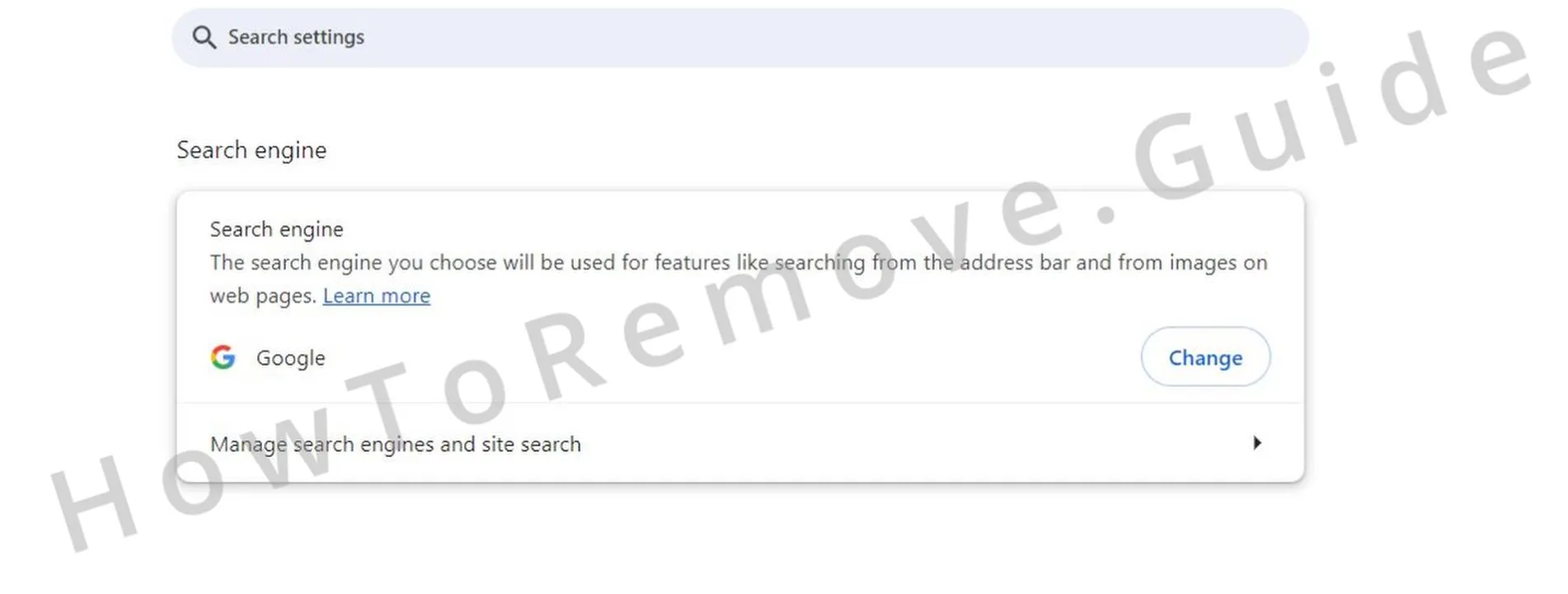 Scenario: search results look odd or redirect through extra pages. Open Search engine → Manage search engines. Delete unfamiliar providers, then set Google, Bing, or DuckDuckGo as the default. Confirm there are no custom templates or redirect URLs left behind.
 - 4.5Micro-checklist embedded in prose: open On startup and Appearance, replace any unexpected homepage or startup pages with your preferred URL, remove extra entries, and restart the browser. With clean startup settings, launch-time redirects stop and your chosen page loads consistently.
If symptoms linger after completing all sections, repeat the policy check, verify there isn’t a secondary browser profile syncing older settings, and confirm folders weren’t recreated by another installed browser. Once policies, profile data, and preferences line up, normal behavior holds between reboots and updates.
