

If strange .exe files keep appearing in your folders or your USB drives suddenly sprout shortcuts you never created, your system may be infected with MusaLLaT exe – a notorious Turkish-origin Trojan that first appeared over a decade ago and went on to infest thousands of PCs through infected flash drives. This malware is similar to more modern counterparts like Sorvepotel and Trojan:Win32/Egairtigado!rfn – it hides inside removable media using an autorun.ini trick, silently copies itself into every directory, and spawns fake executables named after those folders (for example, “Documents.exe” or “Cool.exe”).
MusaLLaT.exe embeds itself in the Windows startup routine via the Registry Run key, which allows it to relaunch every time your PC boots. It’s been observed blocking antivirus websites by tampering with the Windows hosts file, and in some cases, disabling Task Manager. Most infections are found in %AppData%\Roaming, with file sizes around 132 KB, though larger variants up to 2.4 MB exist.
Originally, this malware spread through schools, businesses, and government systems across Turkey, and though it’s quite outdated today, it still resurfaces years later under multiple MD5 signatures and file variants. If your executables are behaving strangely or your flash drives look haunted, you’re likely dealing with MusaLLaT. But worry not, because the guide below or SpyHunter 5 will help you remove it safely.
We tested that SpyHunter successfully removes MusaLLaT exe * and we recommend using it. It will block MusaLLaT exe from reinstalling itself and it will make sure your device is clean from any malware.
 Try Free For 7 Days*
Buy now15% OFF if you buy straight without trial.
 OFFER
OFFERMusaLLaT exe Removal Guide
Start with the simplest option: try uninstalling MusaLLaT through Windows before moving to deeper cleanup. This is quick, reversible, and sometimes resolves the issue outright. Even when it doesn’t, removing obvious components first reduces clutter and makes the following steps faster and more reliable.
Quick Steps to Remove MusaLLaT exe
- 1.1Go to the uninstall controls if MusaLLaT appears installed: open the Start Menu, choose Settings (gear icon), and enter the area that manages apps and system preferences. From here you can view, modify, or remove installed software.
- 1.2With Settings open, select Apps. This list shows everything installed and lets you filter by name, size, or install date to surface recent changes during troubleshooting.
- 1.3For quicker triage, change the sort to Installation date. Newest entries move to the top, making unfamiliar items easier to spot and verify.
- 1.4When you find a suspect program, select it, click Uninstall, and follow the prompts. Allow the uninstaller to remove related components, and avoid interrupting the process while files are being deleted.
- 1.5Afterward, open C:\Users\YourUsername\AppData\Local\Programs. Look for leftover folders or helper binaries the uninstaller skipped and note their names for cross-checking.
- 1.6If you find a lingering folder tied to the removed app, delete it manually. Then restart Windows to release file locks and confirm no remnants try to launch during boot.
After the reboot, check whether the unwanted application no longer launches. If any symptoms remain, that’s common with persistent threats. Continue with the deeper steps below to locate hidden components and disable relaunch mechanisms.
SUMMARY:
How to Fully Get Rid of MusaLLaT.exe
Active threats can reveal their own traces while running. When MusaLLaT.exe is alive in memory, its files and triggers are visible on disk, which allows you to follow paths, review locations, and disable persistence without guesswork. The next sections focus on visibility, process hunting, and cleanup.
1. Preparing for the MusaLLaT.exe Removal
- 1.1
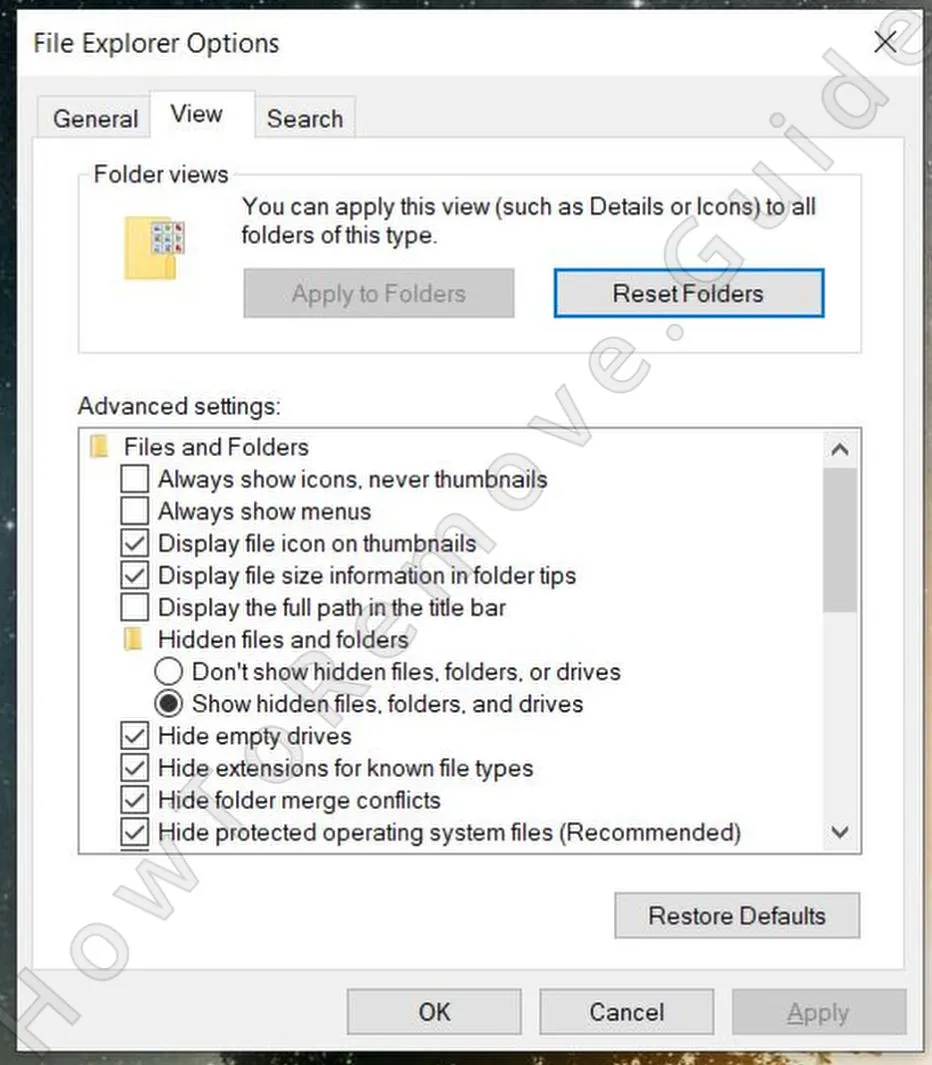 Improve visibility to expose MusaLLaT.exe leftovers. Search for Folder Options from the Start Menu, open it, switch to the View tab, and enable Show hidden files, folders, and drives. Revealing hidden items uncovers common stash points for unwanted components.
 - 1.2Locked files can block progress, so install LockHunter to remove items Windows reports as in use. This small utility is free, ad-free, and requires no registration; setup is quick. It integrates with the context menu to identify locks and delete stubborn executables or DLLs safely.
We understand if you prefer to avoid third-party tools and aim for a fully manual approach. In this case, using this utility can be necessary to delete locked malware files, which is a critical step in completing the removal.
There’s no cost: LockHunter has no ads and requires no registration. You can download and install it in about two minutes.
Remove MusaLLaT.exe Malwre Processes From the Task Manager
Ending a process is only part of the fix. The MusaLLaT.exe malware usually leaves startup entries, scheduled jobs, and helper binaries designed to relaunch it. The steps below help you identify the running executable, remove its files, and stop it from recreating itself later.
2. How to Delete MusaLLaT.exe Malware Processes in the Task Manager
- 2.1Context helps when tracking MusaLLaT activity. Press Ctrl + Shift + Esc to open Task Manager and review running processes and resource usage to pinpoint the suspicious executable.
- 2.2If you see the compact view, expand it with More details. The full display lists background processes, publishers, and startup impact, which makes anomalies easier to evaluate.
- 2.3
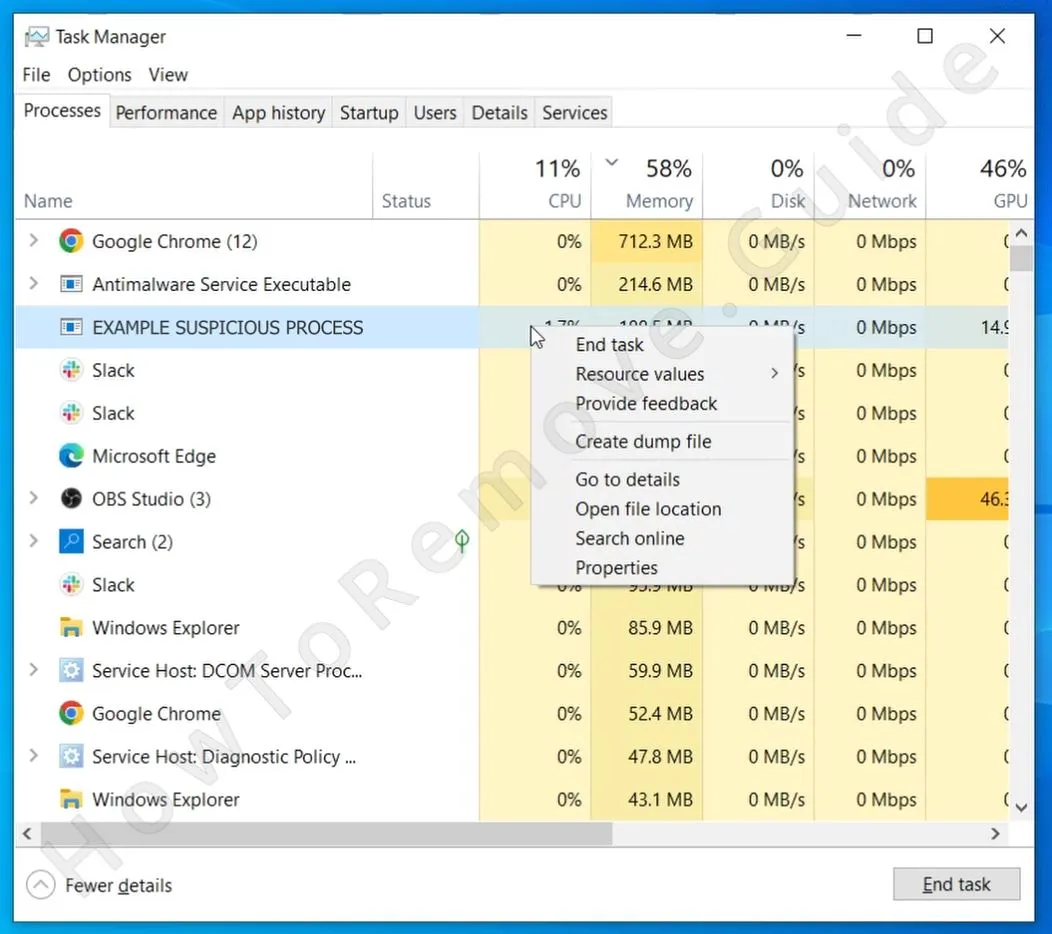 Wondering whether to sort by CPU or Memory to find outliers? Use either column and look for unfamiliar names or unusually high usage. Malware seldom advertises itself with a friendly label.
 - 2.4When you spot a candidate, right-click it and choose Open file location. Jumping to its directory lets you assess the path and publisher and quickly reveals odd user-space locations.
- 2.5Try deleting the hosting folder immediately. If Windows blocks removal, run LockHunter, pick What’s locking this file?, release the hold, and delete the file and its container through the tool to prevent quick respawn.
- 2.6Return to Task Manager and End task on the same entry. Ending it after deleting the binary prevents an instant restart and keeps the system stable for the next steps.
Delete MusaLLaT exe Virus Files
Many threats rely on logon launches and helper files scattered across user and program folders. Clearing these locations reduces relaunch attempts and removes scaffolding that could rebuild the unwanted program after a restart, making it harder for MusaLLaT exe to reappear.
3. How to Get Rid of MusaLLaT exe Files
- 3.1Begin with common Startup folders used when MusaLLaT attempts to relaunch: C:\ProgramData\Microsoft\Windows\Start Menu\Programs\Startup and C:\Users\YourUsername\AppData\Roaming\Microsoft\Windows\Start Menu\Programs\Startup. Remove shortcuts or executables you did not create.
- 3.2Inside each Startup folder, keep desktop.ini and delete items that look out of place. If a file refuses to delete, use LockHunter to unlock and remove it safely.
- 3.3Review program directories next – C:\Program Files and C:\Program Files (x86). Remove clearly unrelated, newly created, or empty folders you recognize as nonessential.
- 3.4Check user-level storage too: C:\Users\YourUsername\AppData\Local\, C:\Users\YourUsername\AppData\Local\Programs, and C:\Users\YourUsername\AppData\Roaming\Microsoft\Windows\Start Menu\Programs. These paths often hold helper launchers or updater stubs.
- 3.5
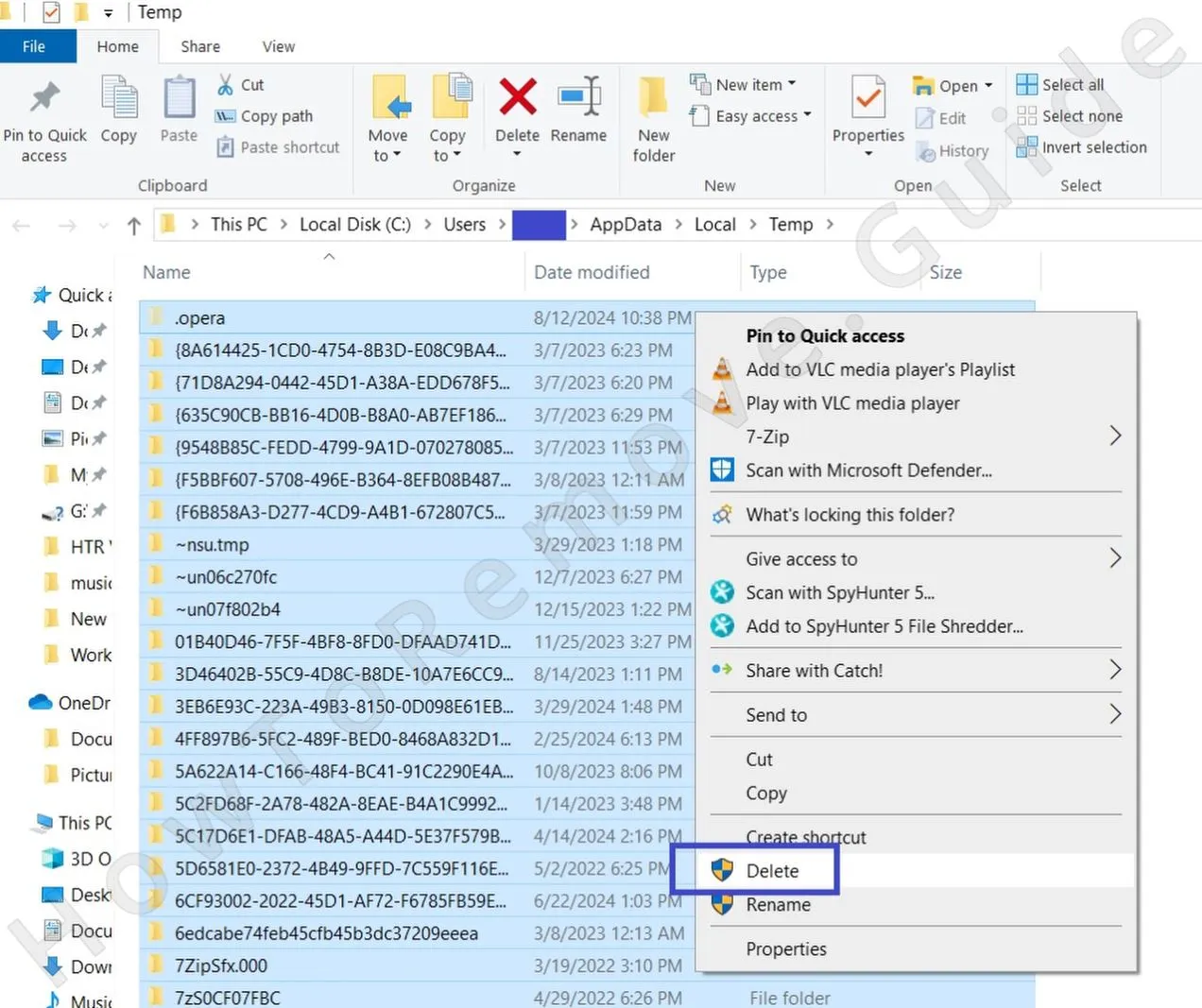 Finally, clear temporary files. Open C:\Users\YourUsername\AppData\Local\Temp, press Ctrl + A to select all, delete the contents, then empty the Recycle Bin.
Get Rid of MusaLLaT Scheduled Tasks
The Windows Registry stores many autostart entries, and scheduled tasks can trigger them. Edit with care and remove only items you confirm are tied to the issue. Precise changes reduce the chance of breaking normal apps while stopping MusaLLaT from relaunching automatically.
4. Eliminate MusaLLaT exe Scheduled Tasks
- 4.1
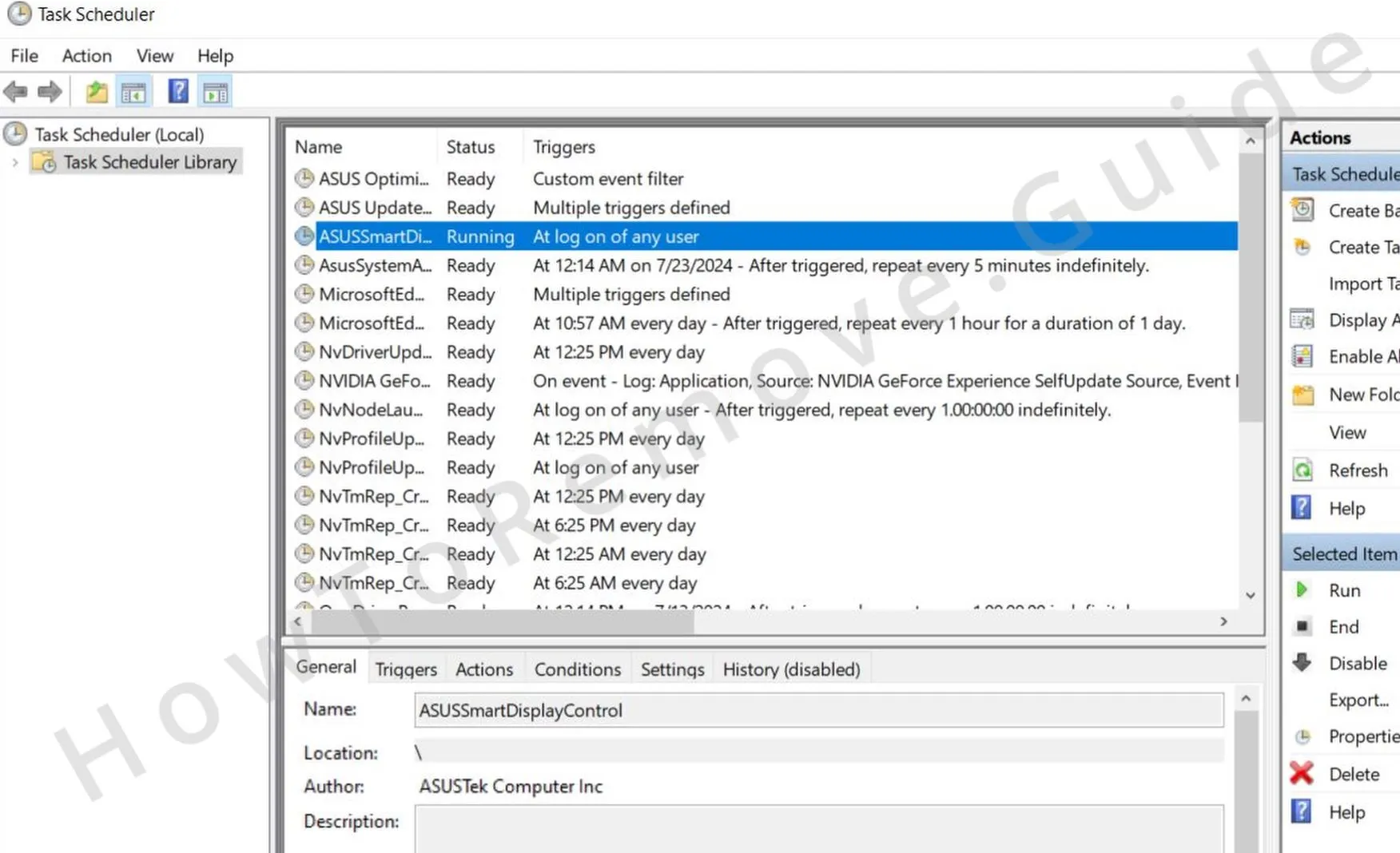 Scheduled automation can relaunch MusaLLaT exe, so type Task Scheduler in the Start Menu search and open it. Expand the Task Scheduler Library to see tasks that run on a schedule or at logon across different folders.
 - 4.2Open a task’s Properties by double-clicking it and review the details. The Actions tab shows the command or file that will run and any parameters used.
- 4.3Prioritize entries that point to user-space paths like AppData or Roaming, especially names you don’t recognize. Odd locations for trusted apps are red flags.
- 4.4When a task looks illegitimate, copy the full path shown under Actions, then delete the task in Task Scheduler. Removing the job stops automatic execution at its trigger.
- 4.5Go to the path you copied and delete the referenced executable or script. Clearing both the task and its payload prevents it from returning after a reboot or logon.
- 4.6Repeat this inspection across all folders in the Task Scheduler Library, including subfolders created by installers. Persistence often hides under generic names, so review thoroughly.
Uninstall the MusaLLaT exe Malware App Through the Windows Registry
A standard uninstaller may leave policy or run entries behind. The final section targets those leftovers. Work deliberately, remove only items you are sure about, and avoid deleting entire keys when a single value is responsible for issues tied to MusaLLaT exe.
5. Remove MusaLLaT exe Through the Registry
- 5.1Configuration data can keep MusaLLaT alive. Press Win + R, type regedit, and press Enter to open Registry Editor. This tool exposes application and startup settings that influence launches at boot and logon.
- 5.2Press Ctrl + F and search for the exact name of the app you uninstalled earlier. You may uncover orphaned keys left behind, including service references or shell extensions.
- 5.3When a match appears, select the key in the left pane and delete it. Continue with F3 until no entries remain for that name across registry hives.
- 5.4Repeat the same find-and-delete routine for other suspicious applications removed during process and startup cleanup. Eliminating their traces prevents chained relaunch or helper services from restoring files.
- 5.5Run one additional search for the threat label you identified earlier. Removing any leftover value or path reference prevents re-creation of files on the next boot.
- 5.6Manually inspect these commonly abused paths for autostarts and policy runs:
HKEY_CURRENT_USER\Software\Microsoft\Windows\CurrentVersion\Run
HKEY_CURRENT_USER\Software\Microsoft\Windows\CurrentVersion\RunOnce
HKEY_CURRENT_USER\Software\Microsoft\Windows\CurrentVersion\Policies\Explorer\Run
HKEY_LOCAL_MACHINE\Software\Microsoft\Windows\CurrentVersion\Run
HKEY_LOCAL_MACHINE\Software\Microsoft\Windows\CurrentVersion\RunOnce
HKEY_LOCAL_MACHINE\Software\Microsoft\Windows\CurrentVersion\Policies\Explorer\Run
HKEY_LOCAL_MACHINE\Software\Microsoft\Windows\CurrentVersion\RunServices
HKEY_LOCAL_MACHINE\Software\Microsoft\Windows\CurrentVersion\RunServicesOnce
HKEY_LOCAL_MACHINE\Software\Microsoft\Windows\CurrentVersion\RunOnce\Setup
HKEY_LOCAL_MACHINE\SYSTEM\CurrentControlSet\Services - 5.7Within each path, look in the right pane for entries that reference unknown executables or suspicious directories. Delete the specific value only – not the entire key – to avoid disrupting legitimate services or system components.
When finished, restart Windows. Confirm normal startup, check that unwanted behavior no longer appears, and verify your browser and applications behave correctly. If problems persist, run a reputable offline scanner to catch hidden drivers, repair altered settings, and verify that no scheduled jobs remain.
Is MusaLLaT.exe a Virus?
Yes – MusaLLaT.exe is a real piece of malware, though technically it behaves more like a worm–trojan hybrid than a classic standalone virus. First identified in Turkey around 2009, it was written in Visual Basic and designed to spread primarily through infected USB flash drives. The program uses an autorun.ini mechanism to automatically launch itself when a compromised drive is plugged in, then replicates across connected systems and shared networks.
Rather than corrupting files outright, MusaLLaT.exe focuses on replication and persistence. Once it lands on a Windows system, it burrows into the user’s profile directory – commonly under %AppData%\Roaming – and creates duplicate executables that mimic the names of existing folders. This allows it to masquerade as legitimate content and trick users into running it repeatedly. It also sets a registry entry under the Windows Run key, ensuring it launches at every startup.
Technically, that persistence and disguise make MusaLLaT.exe fall under the Trojan category, while its ability to self-spread via removable media gives it worm-like traits. It isn’t a ransomware or spyware in the strictest sense, but it does interfere with normal system operations and can modify Windows configuration files such as hosts, blocking security websites and updates to prevent removal.
How Dangerous Is MusaLLaT.exe?
While MusaLLaT.exe doesn’t destroy data or encrypt files, it remains a moderately high-risk infection because of how deeply it embeds itself into the system and how aggressively it spreads. Reports from affected users describe interference with executable programs, including games and business software, as well as processes that continue running even after they appear to have been closed. In severe cases, Task Manager becomes inaccessible, leaving users unable to kill the infection manually.
Its most persistent risk lies in propagation. The malware automatically creates and hides its own copies across USB drives, external disks, and local folders. A single unscanned flash drive can reinfect an entire network, which explains how it managed to spread through Turkish schools, government offices, and even smart boards for over a decade.
From a technical standpoint, it carries a 78% danger rating in security analyses, with variants ranging from 132 KB to 2.4 MB in size and multiple known MD5 signatures. It’s not designed to steal banking credentials or encrypt files for ransom, but it can log user activity, slow down system performance, and block antivirus updates – all while replicating indefinitely. In short, MusaLLaT.exe is less catastrophic than modern ransomware but far more tenacious than ordinary adware, and its removal should be treated as urgent.

Leave a Reply