

If your browser has been acting weird lately and you’ve seen our post – Beestark is a malware that’s to blame for your recent troubles. On its own, Beestark isn’t going to fry your files or encrypt your data, but it’s also not truly without risks. It changes your browser settings behind your back, floods you with ads, and pushes links that can lead to phishing pages or even malware downloads.
I’ve dealt with plenty of malware from its sort – Iadispatcher, Searcherone. They’re not nuclear-level threats, but they’re excellent at wasting your time and potentially putting your information in the wrong hands. The smart move here is to shut it down fast, and the guide below will give you the steps to completely clear Beestark out of your browser.
We tested that SpyHunter successfully removes Beestark* and we recommend using it. It will block Beestark from reinstalling itself and it will make sure your device is clean from any malware.
 Try Free For 7 Days*
Buy now15% OFF if you buy straight without trial.
 OFFER
OFFERBeestark Removal Tutorial
Alright, so here’s the thing – a lot of people get caught up at the start trying to fix everything in one big swing, and that’s exactly what Beestark wants you to do. Seriously, pause. Breathe. You don’t need to bulldoze your entire setup. The only thing you should touch is what’s broken. Rushing? That’s how you make the mess worse. Go one step at a time, keep your head clear, and you actually stand a chance.
Quick Steps to Remove Beestark
- 1.1Open your normal web browser and head to Settings.
In Chrome, click the three-dot icon (⋮) in the upper right corner.
In Firefox, click the three horizontal bars (☰) in the same area.
Navigate to Extensions in Chrome or Add-ons in Firefox. Inspect each one closely. Malicious extensions often disguise themselves with names that look trustworthy. - 1.2Examine every extension in detail – check the name, icon, permissions, and description. Harmful add-ons sometimes copy well-known names with small differences. If anything looks wrong, hit Remove immediately.
If you’re uncertain, search online for the extension’s exact name in quotation marks. You’ll often find posts or reports if it’s a known danger. - 1.3In your browser’s settings, go to Privacy and Security, then find Site Permissions (you might have to open Advanced Settings).
Review which sites can use your microphone, camera, location, or notifications. Remove anything you don’t remember approving. - 1.4Delete any suspicious sites from the permission lists right away. This prevents them from pushing pop-ups or redirects. After cleaning the list, fully close and reopen your browser so the changes stick.
These actions often cut Beestark off completely. If the problem remains, the hijacker may be more deeply embedded – move on to the detailed instructions below.
SUMMARY:
| Name | Beestark |
| Type | Browser Hijacker |
| Detection Tool |
Some threats reinstall themselves if you don’t delete their core files. We recommend downloading SpyHunter to remove harmful programs for you. This may save you hours and ensure you don’t harm your system by deleting the wrong files. |
How to Remove the Beestark Virus
Imagine opening your browser and seeing “Managed by your organization” at the top. That’s Beestark right there. This isn’t just some shady little extension you can delete with two clicks – it’s buried in your browser’s policies, admin level. If you think a normal cleanup tool can handle that, forget it. You’ve got to go deep into the system to dig it out, otherwise you’re just wasting time.
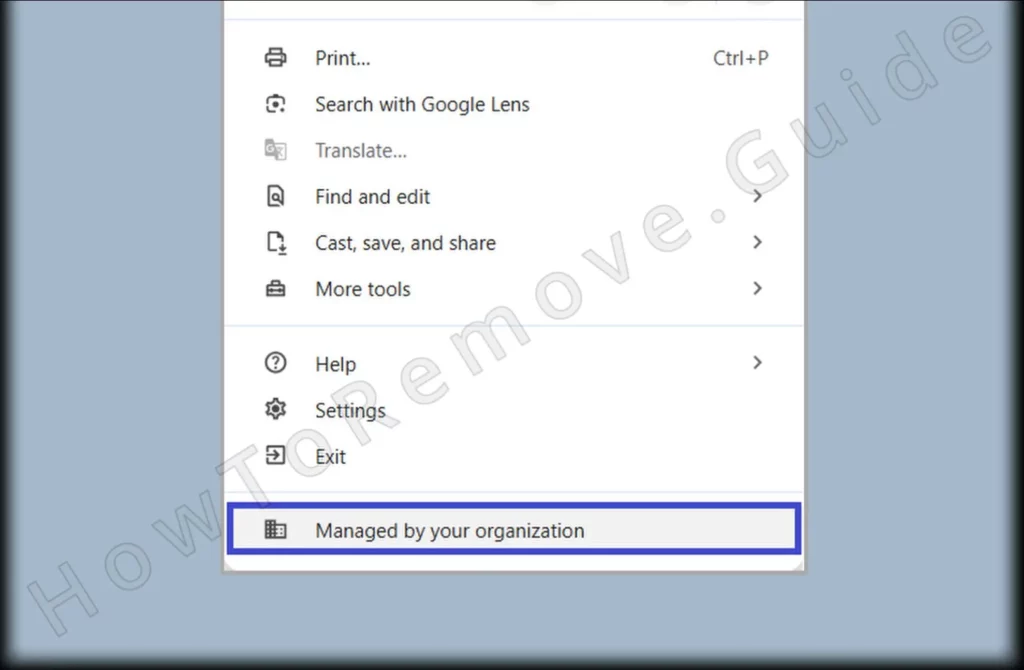
1. Identify the Beestark Policies
- 1.1
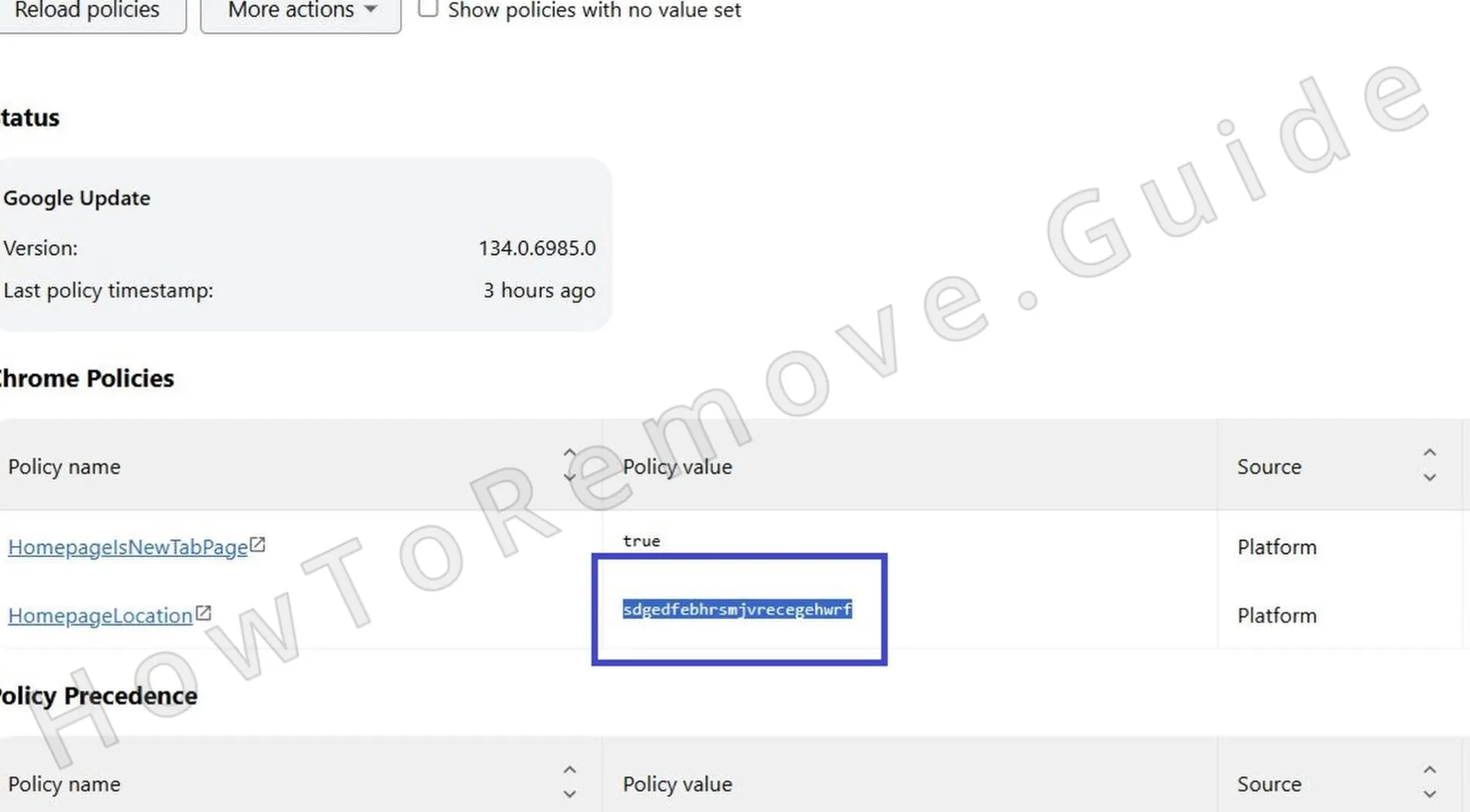 In Chrome, type chrome://policy in the address bar.
In Edge, use edge://policy.
Let the page load all active policies and scan for anything unfamiliar. - 1.2Open each policy entry and read it carefully. Look for strange or irrelevant names. Keep a record – screenshots or notes – of anything suspicious.
- 1.3Next, go to the Extensions page and turn on Developer Mode (top right). This reveals each extension’s unique ID and installation path.
- 1.4If you can’t open the Extensions page at all, skip the browser and open File Explorer to investigate manually.
-
1.5
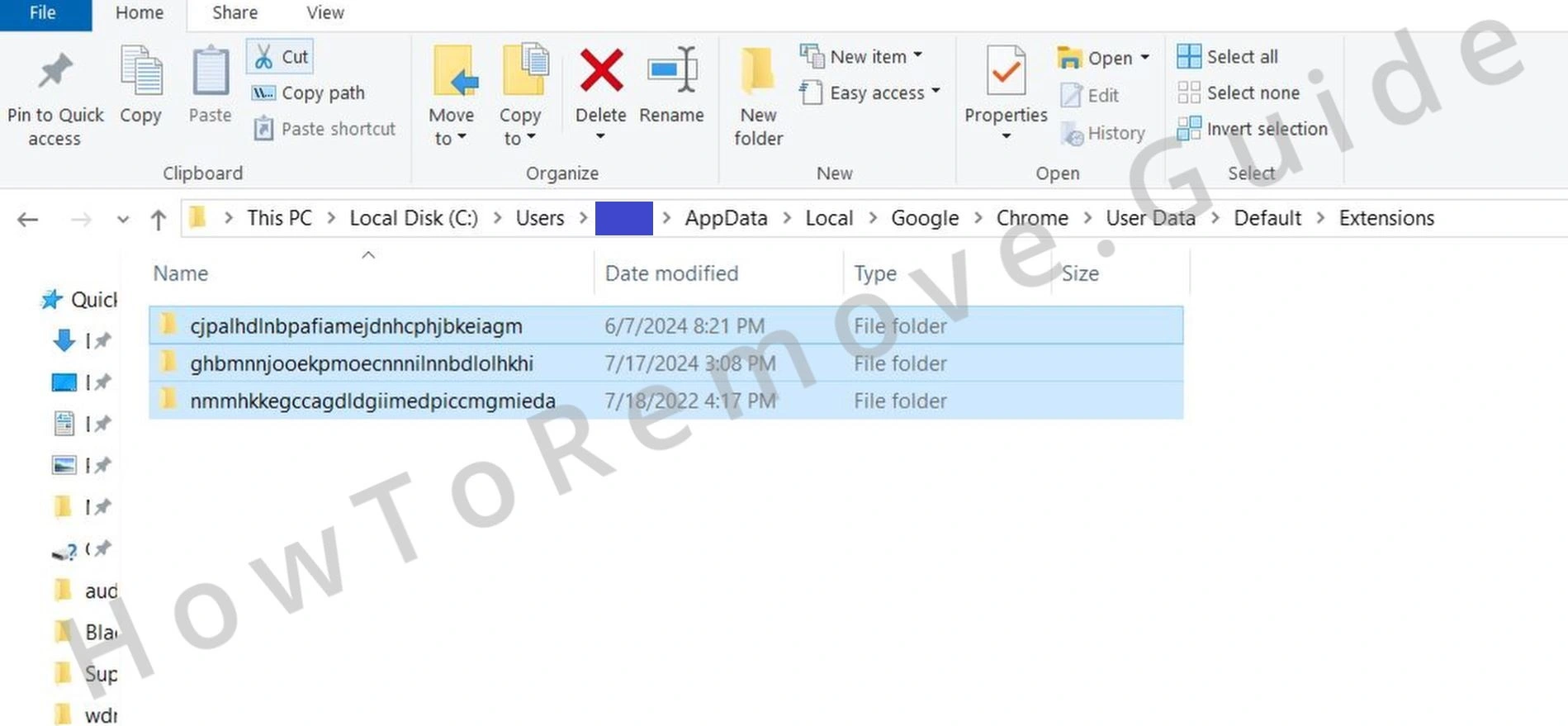 In File Explorer, go to:
C:\Users\<Your Username>\AppData\Local\Google\Chrome\User Data\Default\ExtensionsEach folder matches an extension ID. Compare them to the ones you noted earlier. If you find the one linked to Beestark, confirm it’s unwanted, then delete the whole folder.
- 1.6
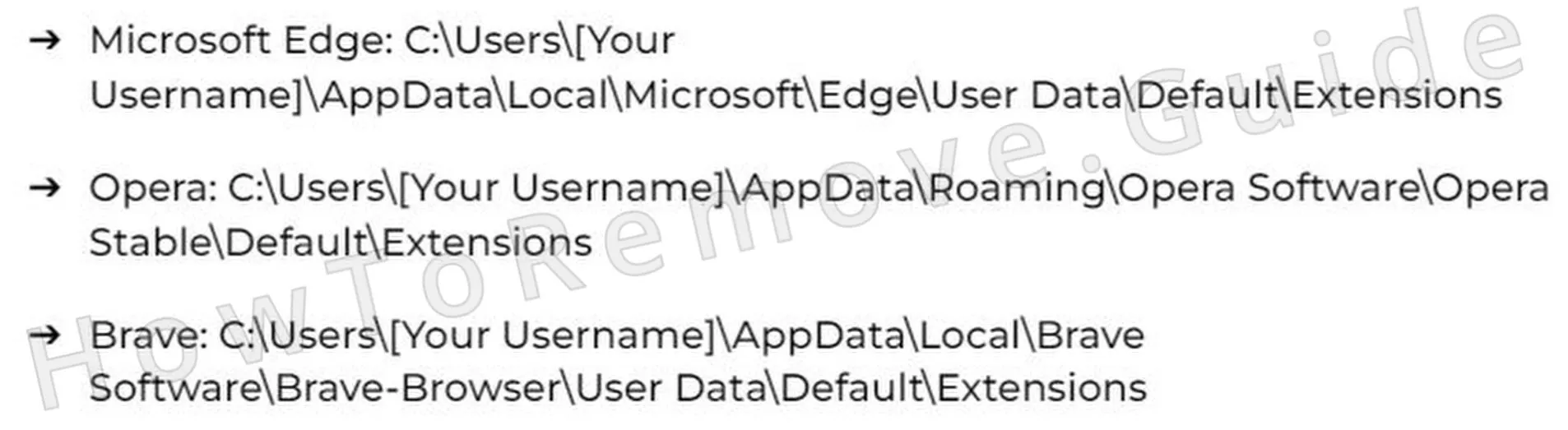 If you use a Chromium-based browser like Brave or Opera, repeat the process in that browser’s AppData folder. Remove anything you don’t recognize or didn’t personally install.
 - 1.7Return to the Extensions page in Developer Mode and confirm the malicious item is gone. If it’s still there, check for leftover files or turn off syncing, which might be restoring it.
Get Rid of Beestark Policies
If Beestark has gotten into your Registry, you’re in dangerous territory. One wrong move in there and your whole system could be toast. This is not the time to poke around guessing. Use a method that’s safe, even if it’s slow. It’s better to take extra time than to brick your machine because you deleted the wrong thing.
2. How to Delete Beestark Policies Through the Registry
- 2.1Press Windows + R, type regedit, and press Enter.
Before doing anything else, back up your registry: go to File → Export and save a complete copy. - 2.2Press Ctrl + F (or use Edit → Find) and search for the extension ID or policy name you wrote down earlier. Delete each result. Keep searching until nothing comes up.
- 2.3
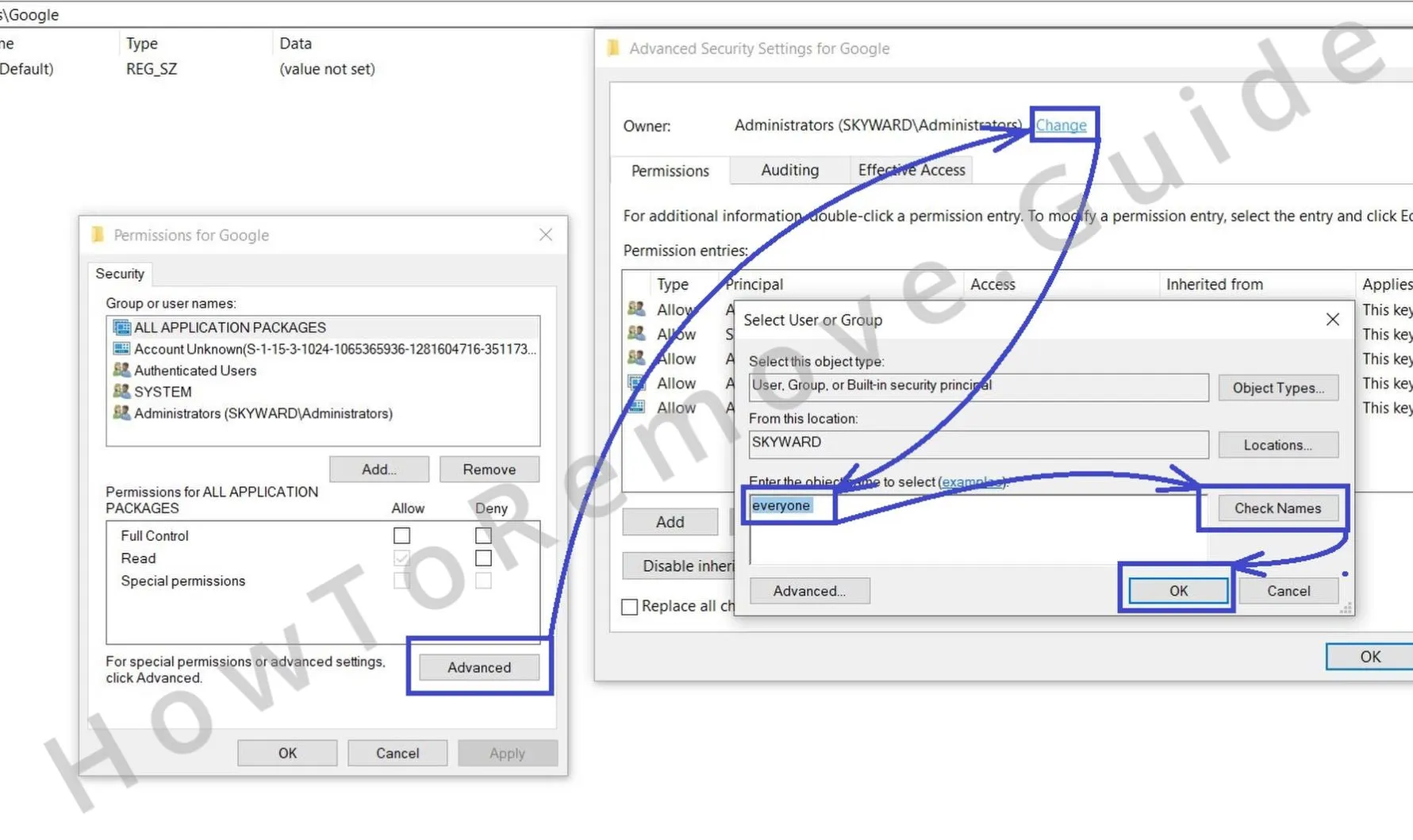 If you get a permissions error, right-click the registry key and select Permissions, then go to Advanced.
Click Change next to Owner, type Everyone, select Check Names, then click OK. - 2.4
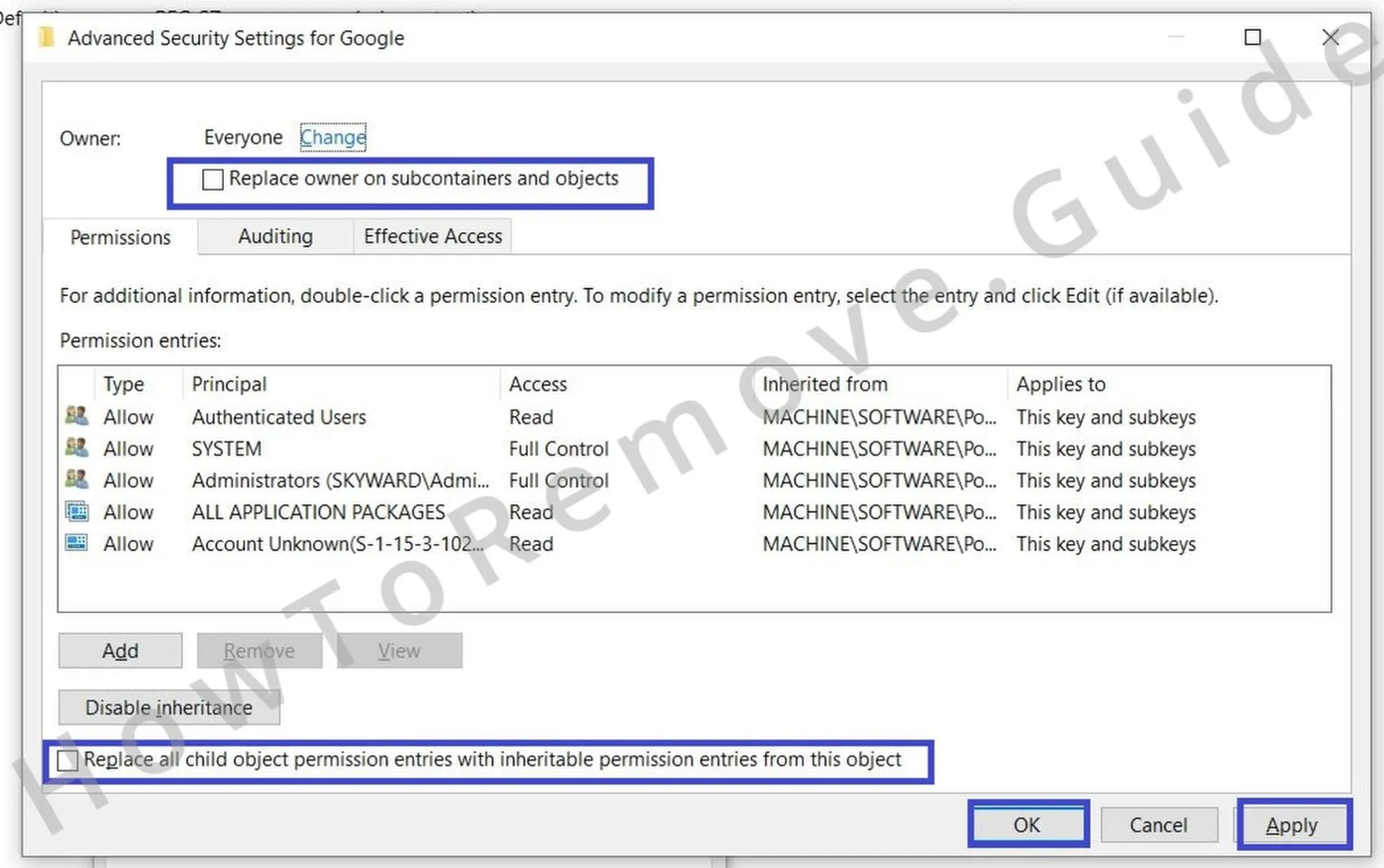 In the permissions settings, enable both:
– Replace owner on subcontainers and objects
– Replace all child permission entries with inheritable permissions from this objectClick Apply and OK, then delete the key. Restart your computer and open the browser to check if “Managed by your organization” is gone.
This gives you the access needed to delete the rogue key.
Alternative Tools to Delete Beestark Policies
So you’ve done all the cleanup steps you can think of and somehow Beestark is still hanging around. That’s not bad luck – that’s the design. It’s made to stick and to wear you down until you give up. Don’t. Slow down, take it one step at a time, double-check everything you do. They only win if you stop trying.
3. Other Ways to Get Rid of Beestark Policies
- 3.1
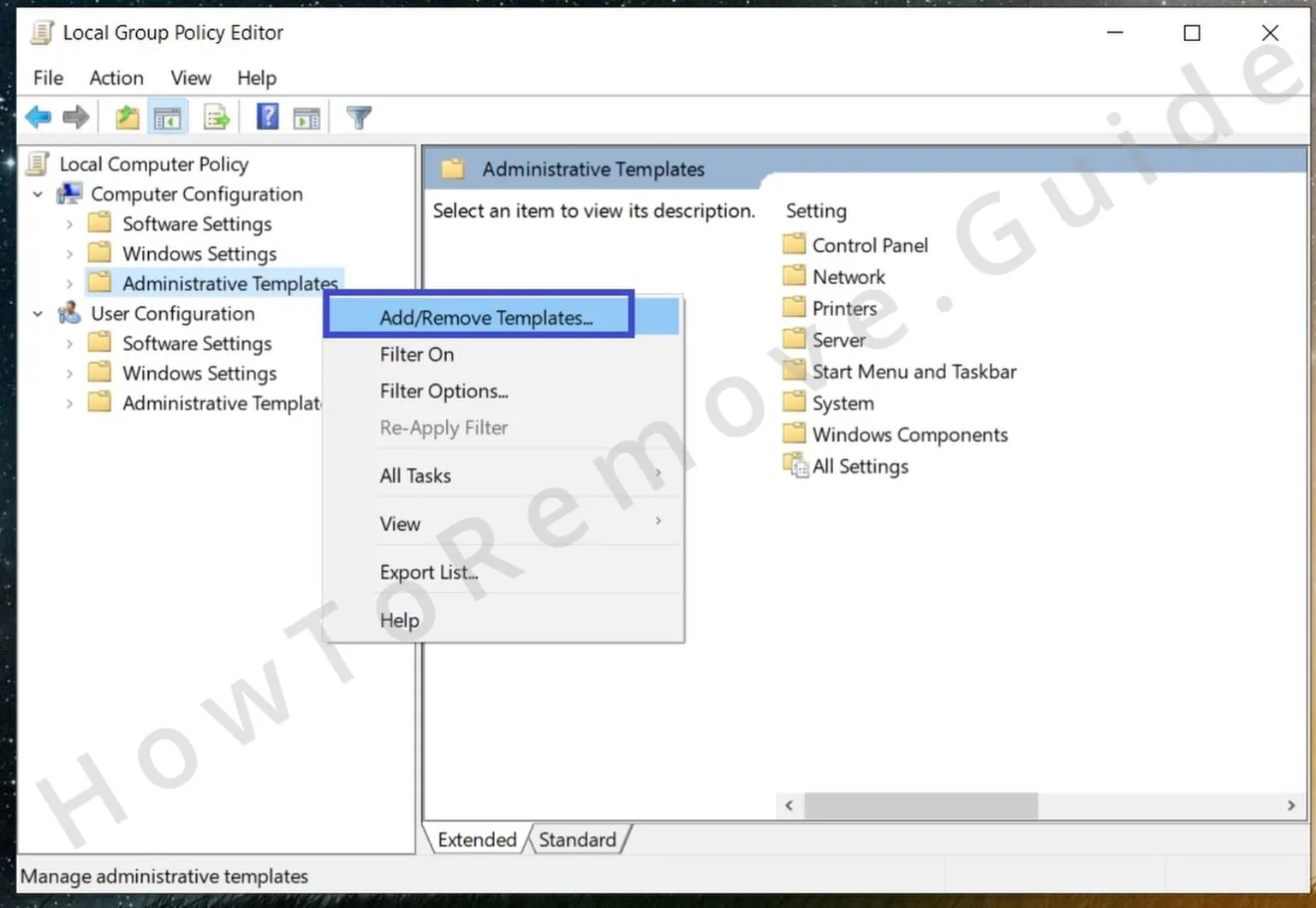 Press Windows + S, type Edit Group Policy, and open the Group Policy Editor.
Expand Administrative Templates in the left panel. - 3.2
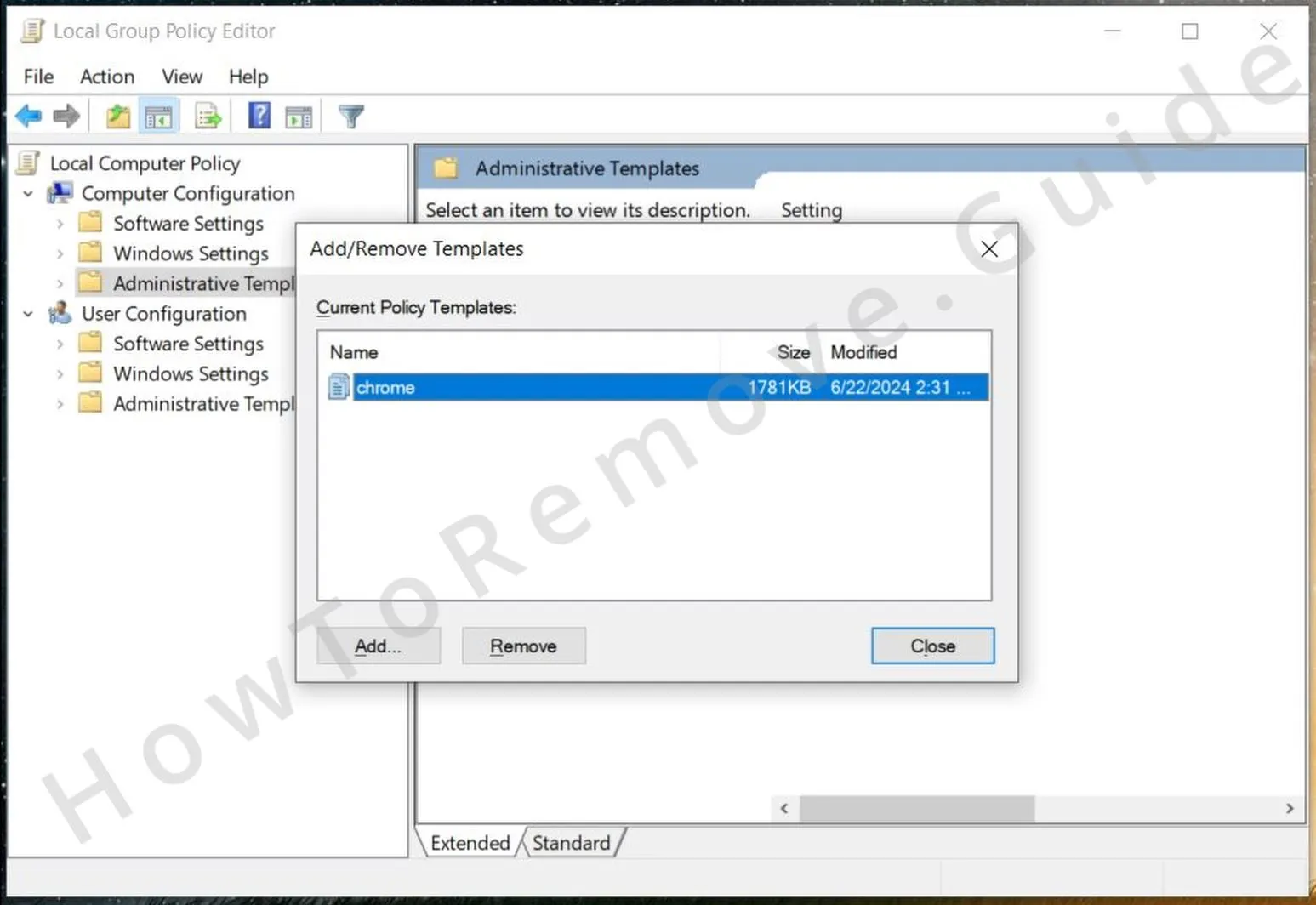 Right-click Administrative Templates, select Add/Remove Templates, and remove anything you don’t recognize. Beestark can hide policies here.
 - 3.3For Chrome, you can use a verified Chrome Policy Remover tool. Right-click the file and select Run as administrator.
- 3.4If Windows warns you, select More Info → Run Anyway, but only if the source is trusted. After it runs, restart your PC and double-check both Registry and Group Policy settings.
Uninstall Beestark From Chrome, Edge, and Other Browsers
Everything’s looking clean, you relax, and that’s when Beestark slides back in. All it takes is one permission you forgot to remove, one stray setting, and it’s back. Don’t fall for that trap. Go through your system twice, maybe three times if you have to. Just because it looks safe doesn’t mean it is – that false sense of security is part of the bait.
4. How to Remove Beestark From Your Browser
- 4.1Revisit the Extensions/Add-ons page. If the hijacker reappears, it may be syncing from your account. Delete it again.
- 4.2
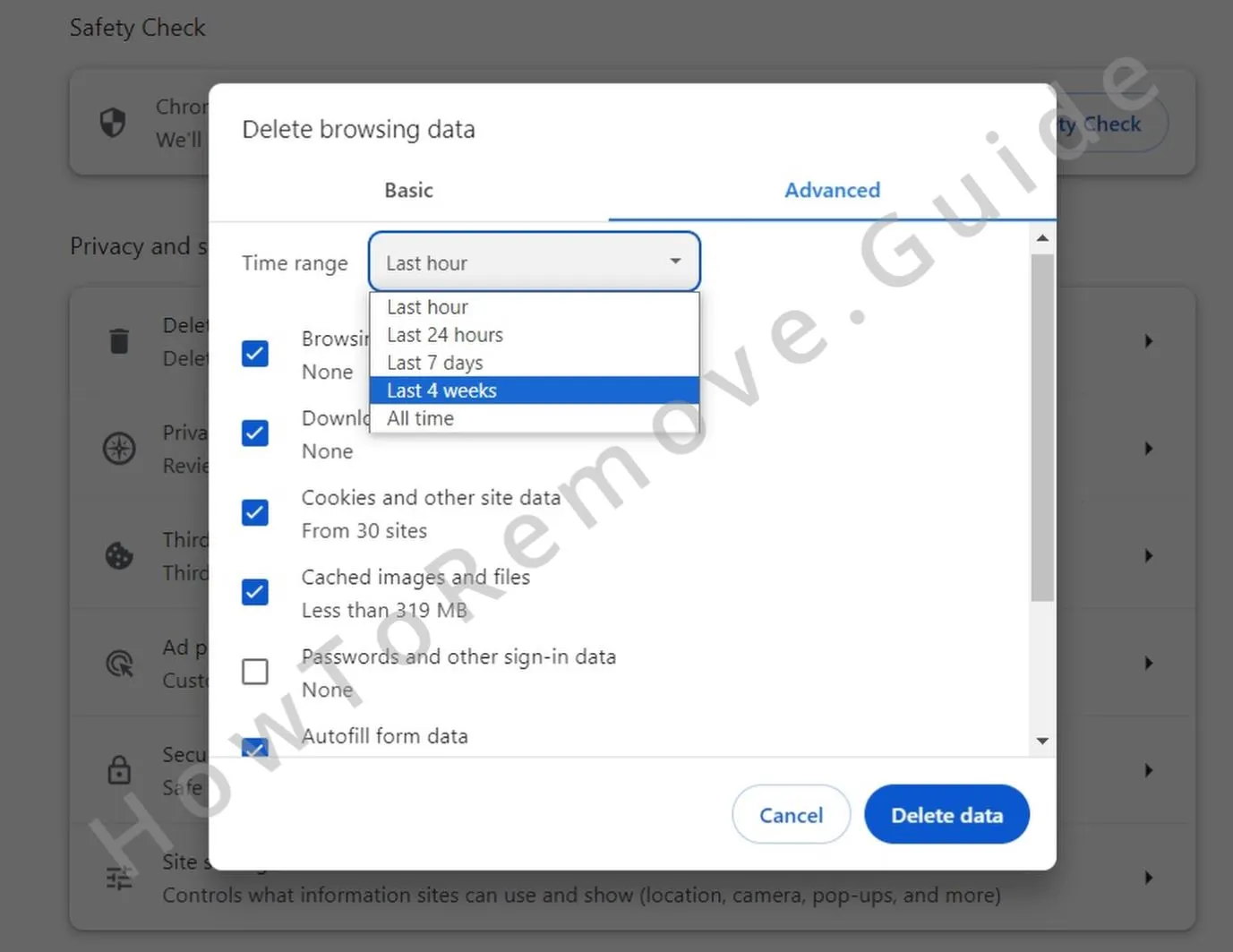 Go to Clear Browsing Data, set the range to All Time, uncheck Saved Passwords, and delete everything else – especially cookies, cache, and site data.
 - 4.3
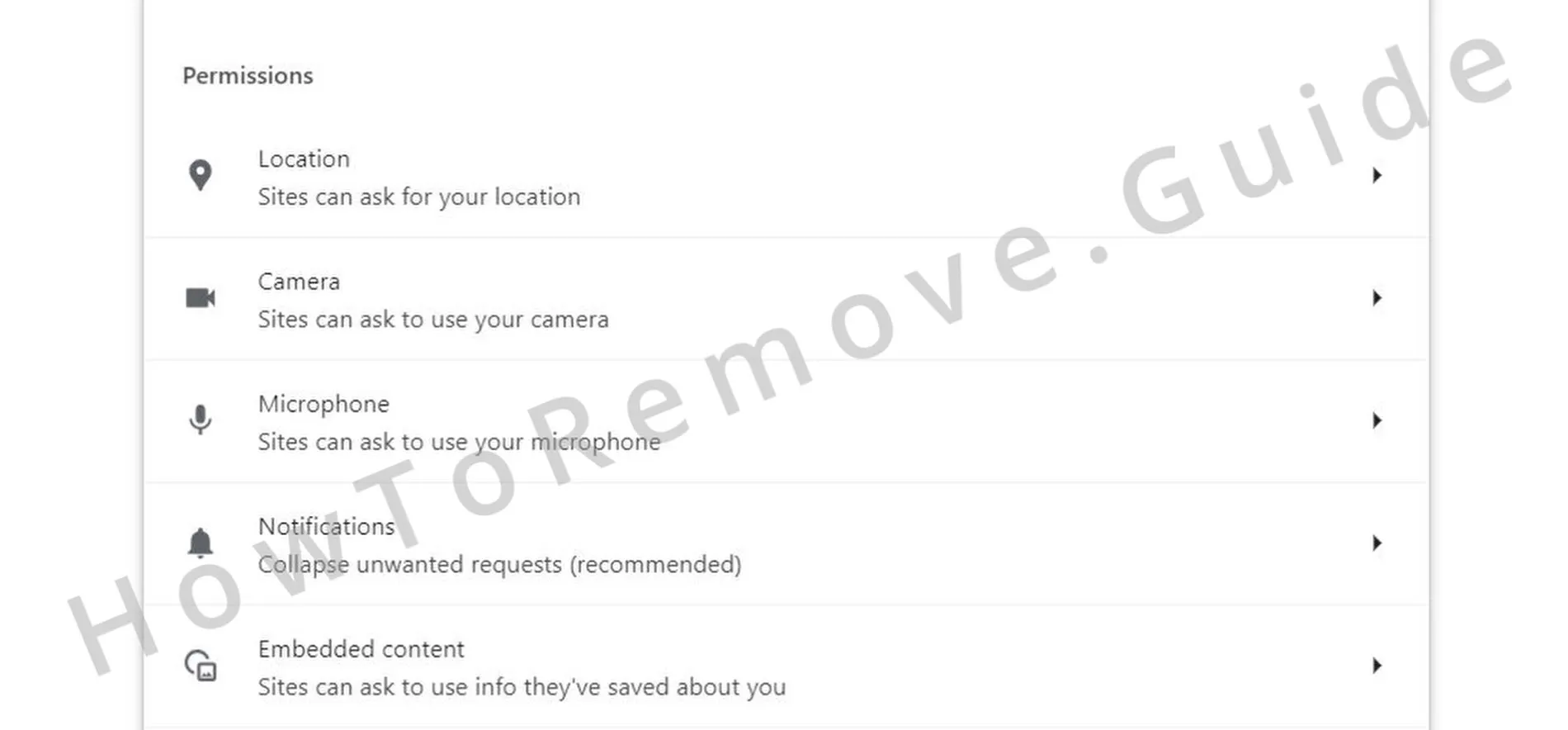 Under Privacy and Security → Site Settings, remove permissions for any sites you don’t trust.
 - 4.4
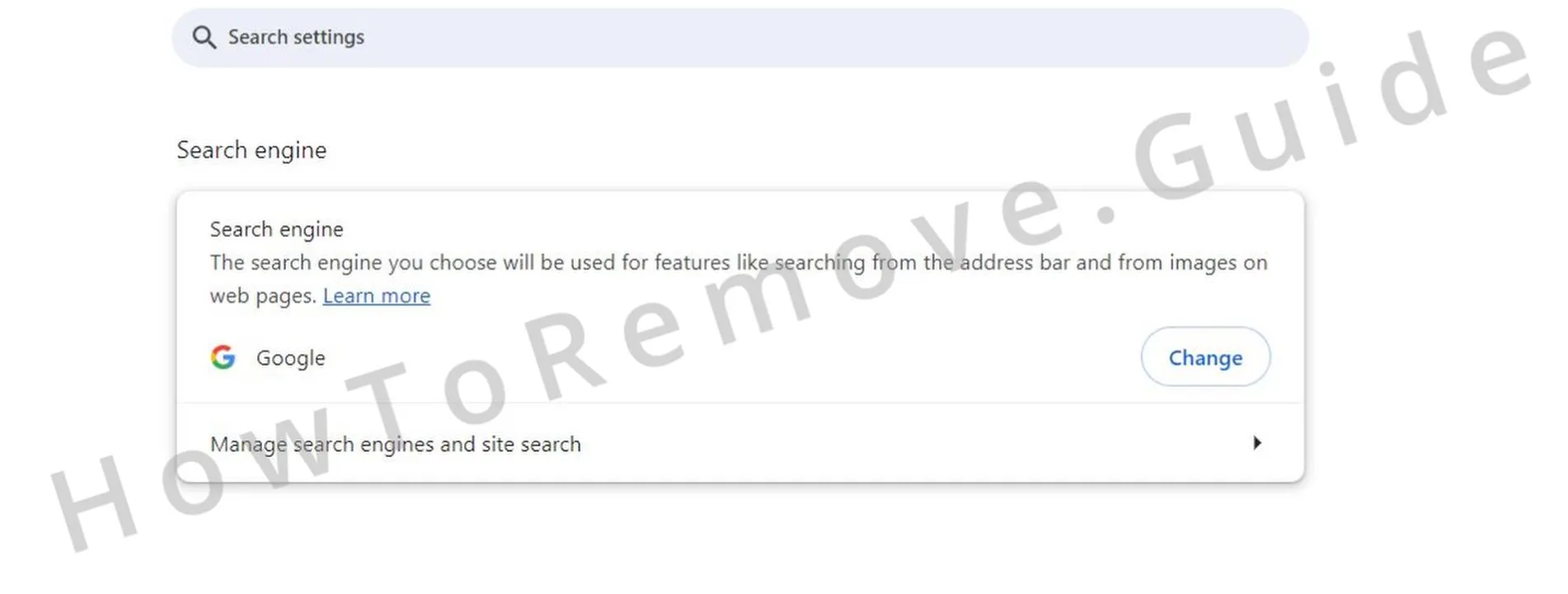 Open Search Engine Settings → Manage Search Engines. Delete anything unfamiliar and set your preferred engine (Google, Bing, DuckDuckGo) as the default.
 - 4.5In On Startup or Appearance settings, remove unknown startup pages and set a trusted homepage to prevent Beestark from changing it again.
