GameDrive.org is a website associated with piracy-related game downloads, offering links to cracked PC titles, compressed repacks, pre-installed releases, updates, and add-ons. For casual players, the appeal is obvious: paid games appear to be available quickly and without normal store checks, payment steps, or basic account safeguards.
The danger is that sites built around unauthorized downloads often rely on ad networks, mirror pages, and third-party files that users cannot easily verify. A wrong click may lead to malware exposure, similar to Renpy.infostealer and KitchenCanvas, intrusive browser notifications, suspicious installers, programs that change system settings, or attempts to steal personal data.
We tested that SpyHunter successfully removes Gamedrive.org* and we recommend using it. It will block Gamedrive.org from reinstalling itself and it will make sure your device is clean from any malware.
 Try Free For 7 Days*
Buy now15% OFF if you buy straight without trial.
GameDrive.org has also appeared in threat and web-reputation listings under categories such as suspicious entertainment, piracy, games, and malware-related sites. These labels do not prove every file is infected, but they are strong warning signs for anyone who downloads executable game files.
Watch for fake download buttons, forced redirects, requests to disable antivirus protection, or setups that install unrelated software. If your device begins acting strangely after visiting the site, follow a trusted removal guide; if that feels difficult, SpyHunter 5 can help remove threats.
Gamedrive.org Removal Tutorial
The shorter tutorial below is designed as a first attempt, not the final word. It checks the most common changes linked to Gamedrive.org and may be enough when the infection has not yet buried itself deeply in the system. If the issue survives those actions, switch to the longer guide right after.
Quick Steps to Remove Gamedrive.org
- 1.1Open your Start Menu and search for “Apps & Features”. This shows every installed program so you can spot potential threats.
- 1.2Sort the list by Install Date. Malware like Gamedrive.org often disguises itself as a recently added program, so this will help you pinpoint suspicious entries more quickly.
- 1.3Look for anything out of place – programs with strange names, bland or unprofessional icons, or software you don’t remember downloading.
- 1.4If you find a program that raises your suspicions, don’t hesitate. Click Uninstall and follow the prompts. Once that’s done, take it a step further by checking the installation directories for any leftover files.
- 1.5Delete anything that looks like it might be connected to the program you just removed.
Once the short steps are done, restart the system and spend a few minutes using the browser in an ordinary way. If the warnings, redirects, or unexpected changes no longer appear, you may be finished. If Gamedrive.org shows any signs of returning, move on to the advanced steps below.
SUMMARY:
| Name | Gamedrive.org |
| Type | Adware/Malware Infection |
| Detection Tool |
Some threats reinstall themselves if you don’t delete their core files. We recommend downloading SpyHunter to remove harmful programs for you. This may save you hours and ensure you don’t harm your system by deleting the wrong files. |
 OFFER
OFFERHow to Remove the Gamedrive.org Virus
The detailed removal starts with preparation because later steps are harder if Windows keeps items hidden or refuses to release a locked file. Reveal hidden files and folders first, then install LockHunter so you can remove Gamedrive.org-related items even when another process tries to keep them protected.
1. Gamedrive.org Removal Preparatory Steps
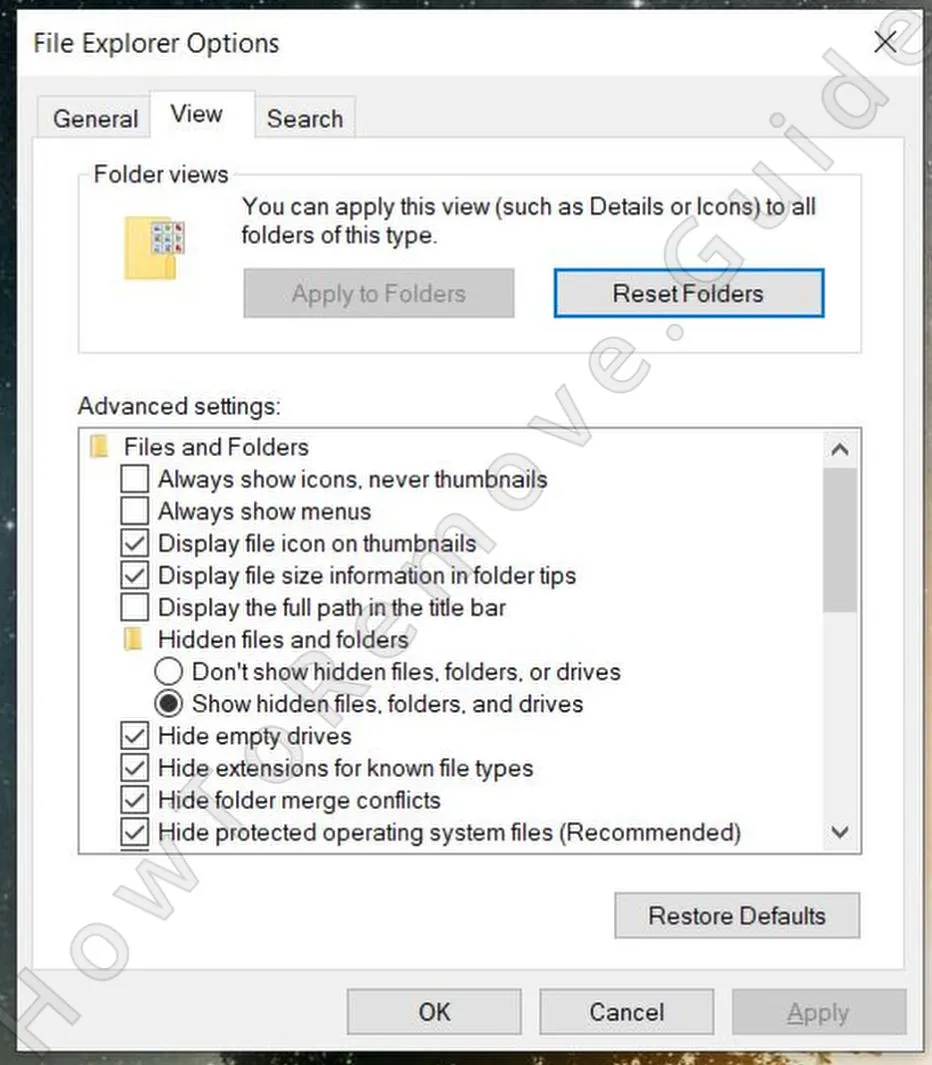
- 1.1First, open your Start Menu again and search for “Folder Options”. Head to the View tab and check the box that says “Show hidden files, folders, and drives.” Don’t forget to click Apply and OK.
- 1.2Next, download and install LockHunter – a free and powerful tool that can forcefully delete files that are being blocked by the malware.
Even users who prefer built-in tools usually find LockHunter helpful in this situation. It is free, simple to use, and gives you a reliable way to delete files that stay blocked because a hidden process or service still has them open.
Delete the Gamedrive.org Virus Files
When you search for leftover files, think broadly rather than assuming the infection lives in one obvious folder. Gamedrive.org can spread supporting items across multiple directories, and missing a single executable, script, or configuration file may allow the unwanted behavior to return later on.
2. How to Delete Gamedrive.org Files
- 2.1With adware apps of this type, there are several locations where you are very likely to find related files. The first key directories to check are:
C:\Users\YourUsername\AppData\Roaming
C:\ProgramData\Microsoft\Windows\Start Menu\Programs\Startup
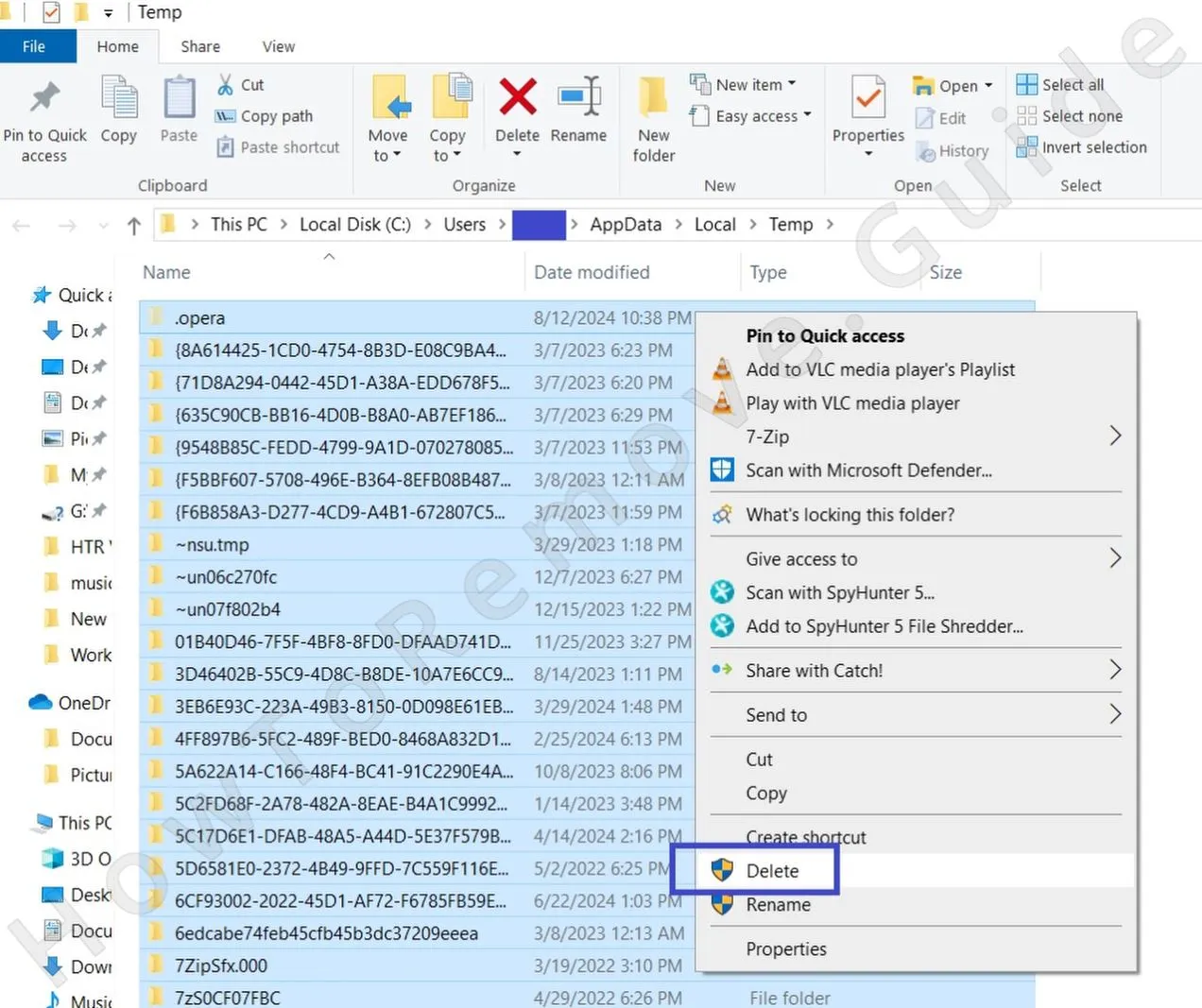
C:\Users\YourUsername\AppData\Roaming\Microsoft\Windows\Start Menu\Programs\Startup - 2.2Once you’ve tackled those directories, visit the Temp folder at C:\Users\YourUsername\AppData\Local\Temp. This is like a junk drawer – most of what’s in here is disposable. Select everything (Ctrl + A) and delete it all. Don’t worry, you won’t lose anything important.
- 2.3Finally, check the Program Files folders:
C:\Program Files
C:\Program Files (x86)
Be cautious here, as these folders contain legitimate software. However, if you see something that seems out of place, don’t ignore it – remove anything that feels suspicious.
Remove Gamedrive.org Malware Tasks From the Task Scheduler
This step focuses on Task Scheduler for a reason: it is one of the most common persistence tricks users overlook. Gamedrive.org may add a task that runs at logon, at startup, or on a timer, which lets it reopen pages or restore deleted components even after the visible symptoms seem gone.
3. How to Remove Gamedrive.org Entries From the Task Scheduler
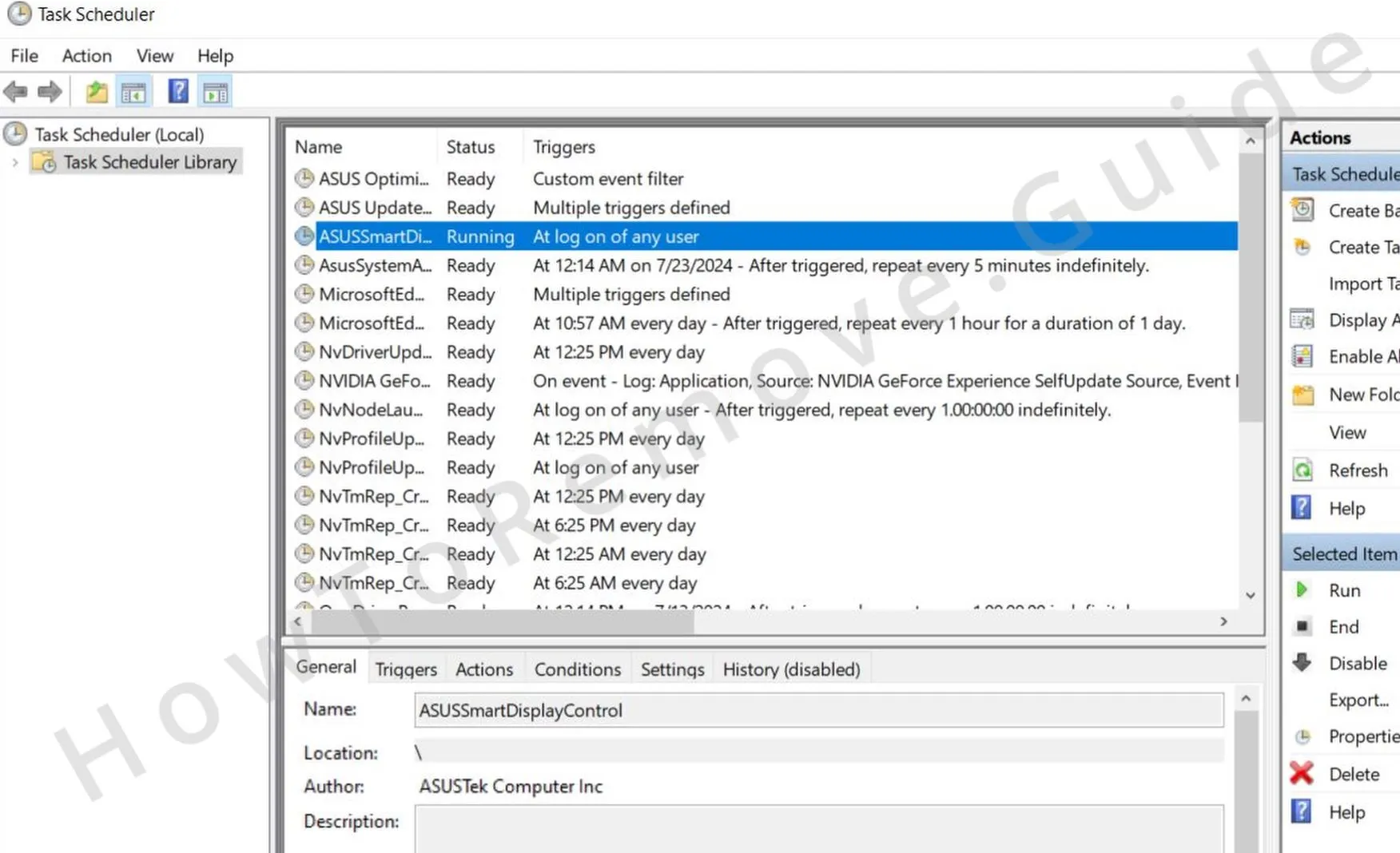
- 3.1To access your scheduled tasks, type Task Scheduler in the Start Menu search, open the first thing, and click the TashScheduler Library in the top-left.
- 3.2Go through each task one by one. Double-click to open a task and check its Actions tab. Be on the lookout for anything that launches sketchy .exe files or scripts or attempts to connect to unknown websites.
- 3.3If you spot a task like this, delete it immediately. It’s a tedious step, but missing even one rogue task could undo all your progress.
Get Rid of Gamedrive.org Through the System Registry
The Registry often contains the entries that let Gamedrive.org survive reboots and reapply browser changes, so this step should not be skipped. At the same time, manual Registry editing carries some risk if you are not confident about what you are deleting. SpyHunter 5 is a safer alternative when you want that part checked automatically.
4. How to Remove Gamedrive.org Items From the Registry
- 4.1To remove Gamedrive.org’s fingerprints, open the Registry Editor by typing “regedit” into the Start Menu. Right-click it and choose Run as Administrator.
- 4.2Use the search function (Ctrl + F) to look for entries related to Gamedrive.org. When you find something suspicious, delete it, but be careful.
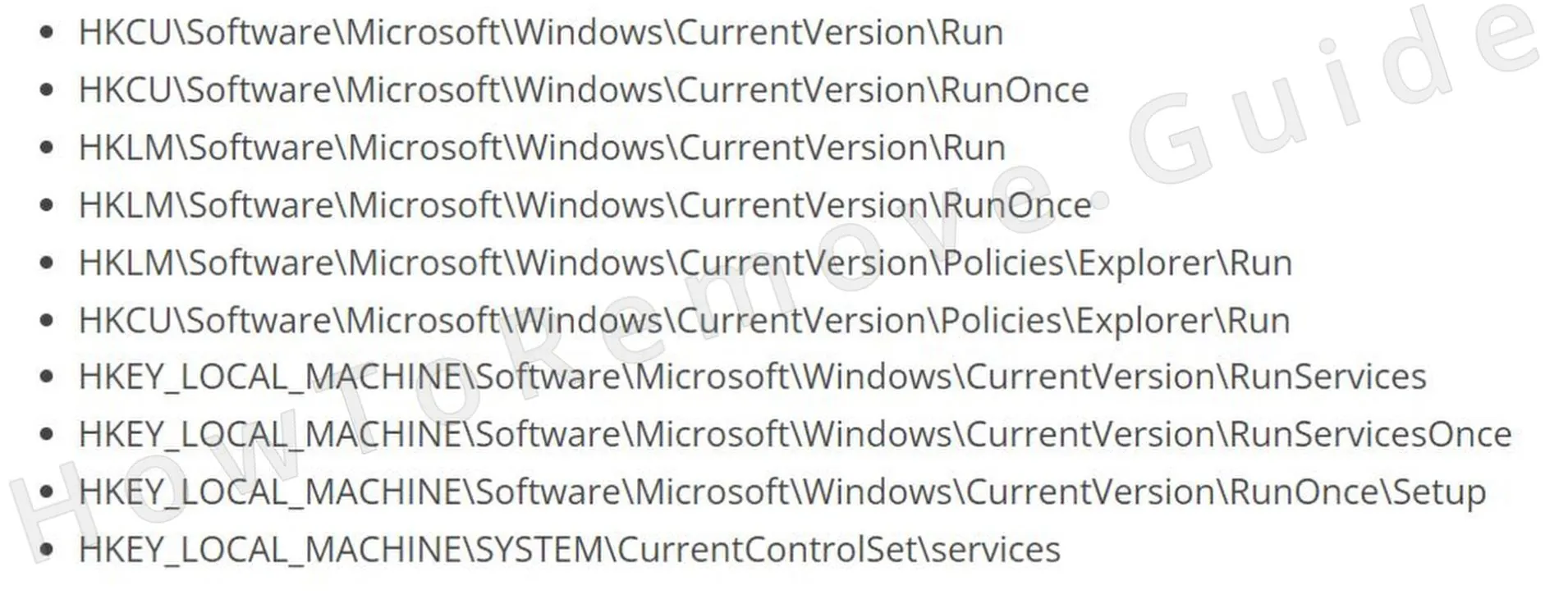
- 4.3To be extra thorough, manually check these locations:
- 4.4Look at the entries in the right panel and delete anything that seems off. However, do not delete the specific keys here (the items in the left panel).
Remove Gamedrive.org Browser Policies
Policy cleanup is essential because those policies can force the browser to keep unwanted settings and block manual corrections. If Gamedrive.org placed restrictive entries there, you may not be able to change the homepage, search engine, or extension behavior until the policies are removed at their source.
5. How to Remove Rogue Gamedrive.org Policies
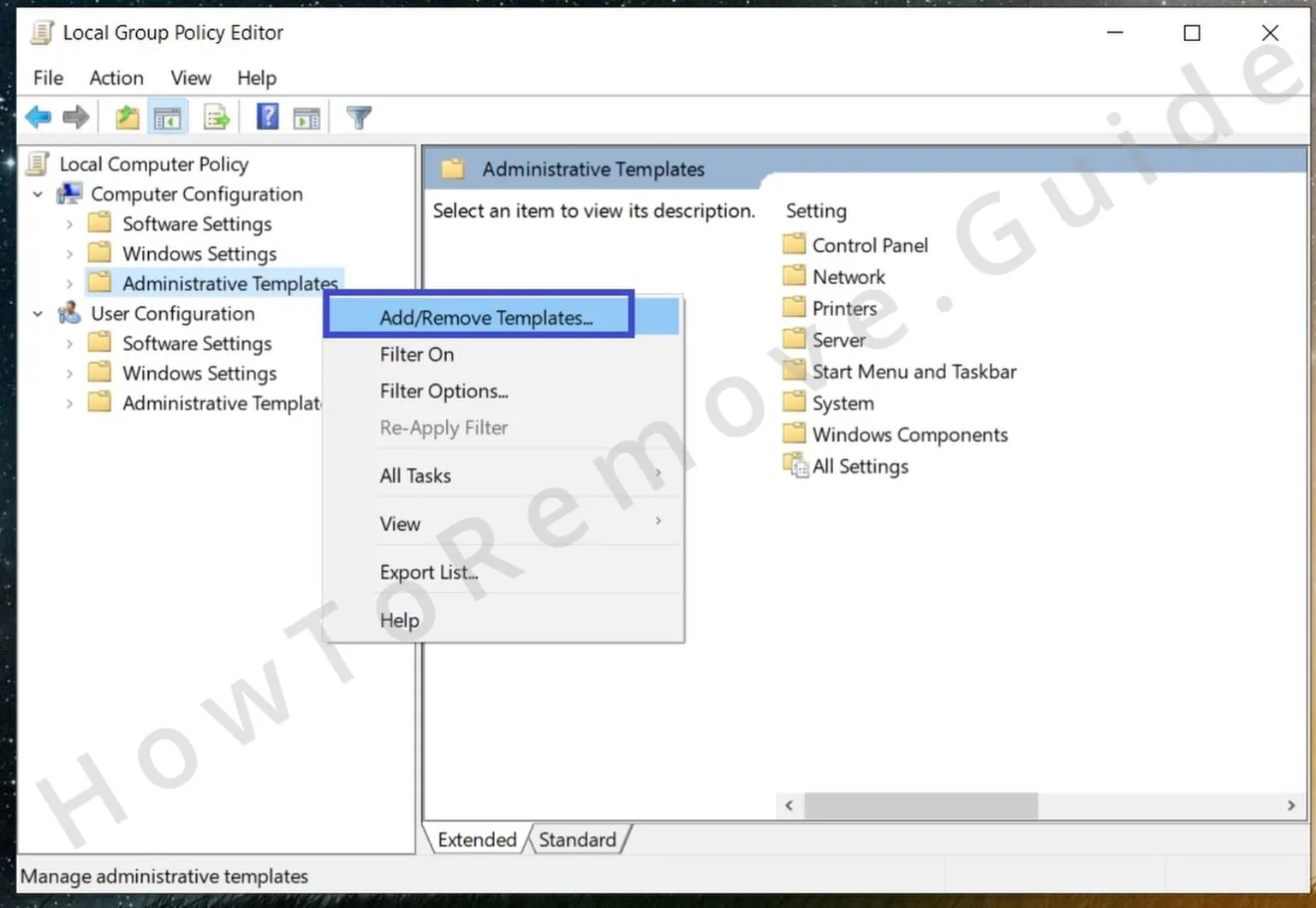
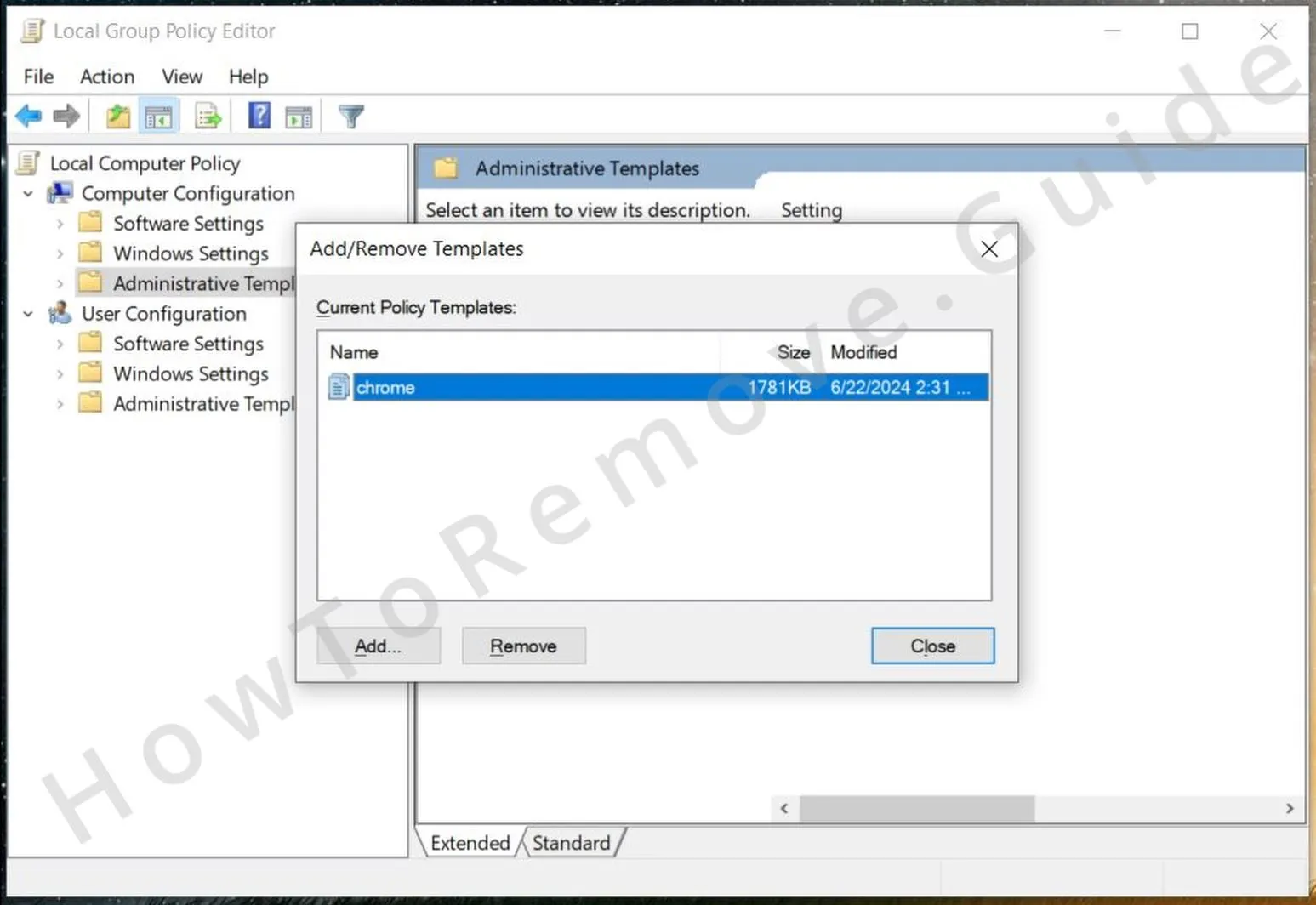
- 5.1To fix this, open the Group Policy Editor by searching for it in the Start Menu. Navigate to Computer Configuration > Administrative Templates.
- 5.2Right-click, select Add/Remove, and clear the list.
- 5.3If you’re a Chrome user, consider using the free Chrome Policy Remover tool for a quicker fix. You just need to download the tool, run it with administrative privileges, and it will automatically clear any remaining policies from Chrome.
- 5.4And in case you get a warning from Windows, just ignore it by clicking More Info > Run Anyway. This tool is safe, so there’s nothing to worry about.
Uninstall Gamedrive.org From Your Browser
This final browser section ties everything together. After the policies are gone, you can clean the browser properly by checking the areas most often changed by Gamedrive.org, including extensions, stored browsing data, permissions, startup pages, appearance settings, and search engine choices.
6. How to Remove Gamedrive.org From Your Browser
- 6.1Start with the Extensions section and uninstall anything you didn’t add yourself.
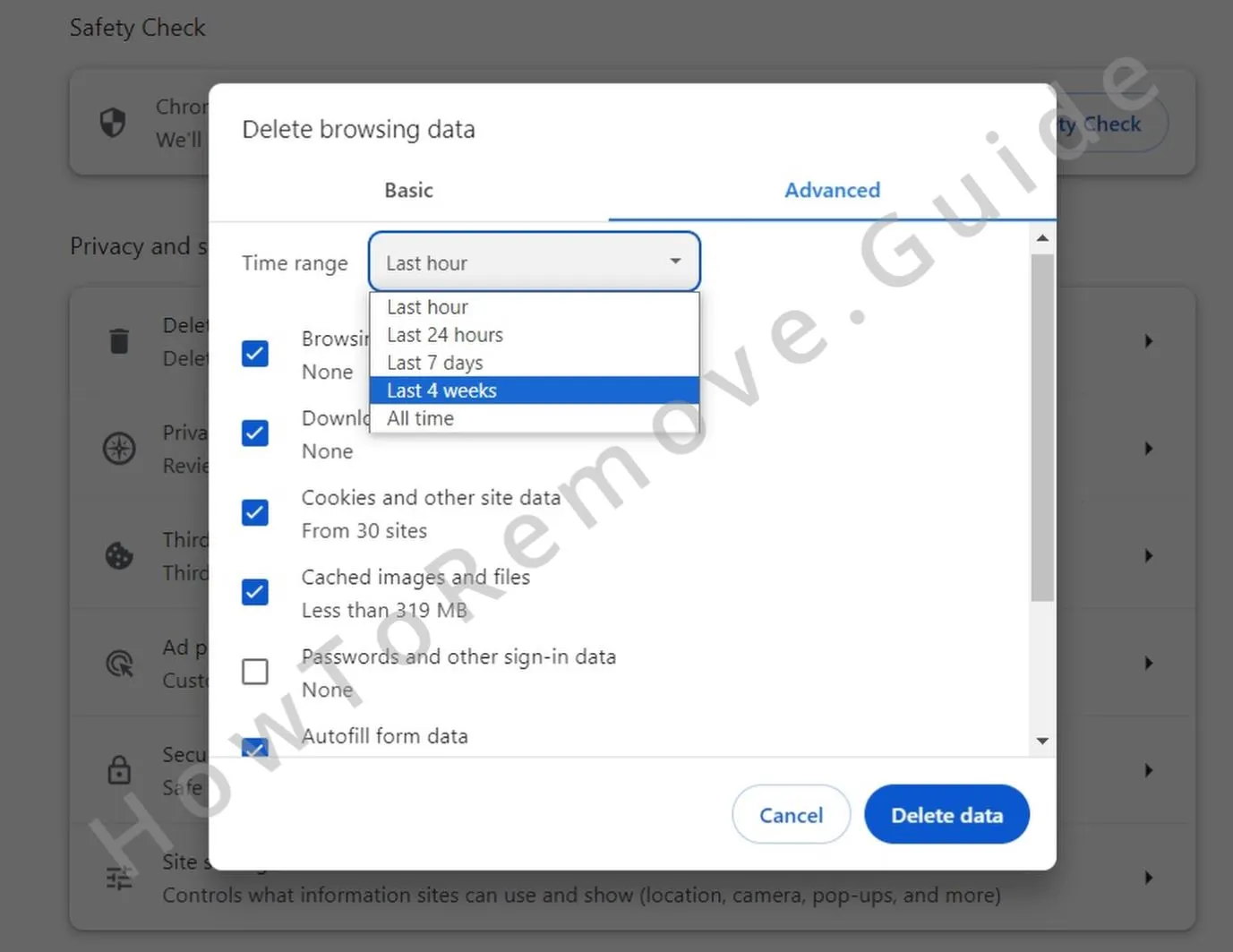
- 6.2Next, clear your browsing data under Privacy and Security. Choose the All Time range but keep your saved passwords intact.
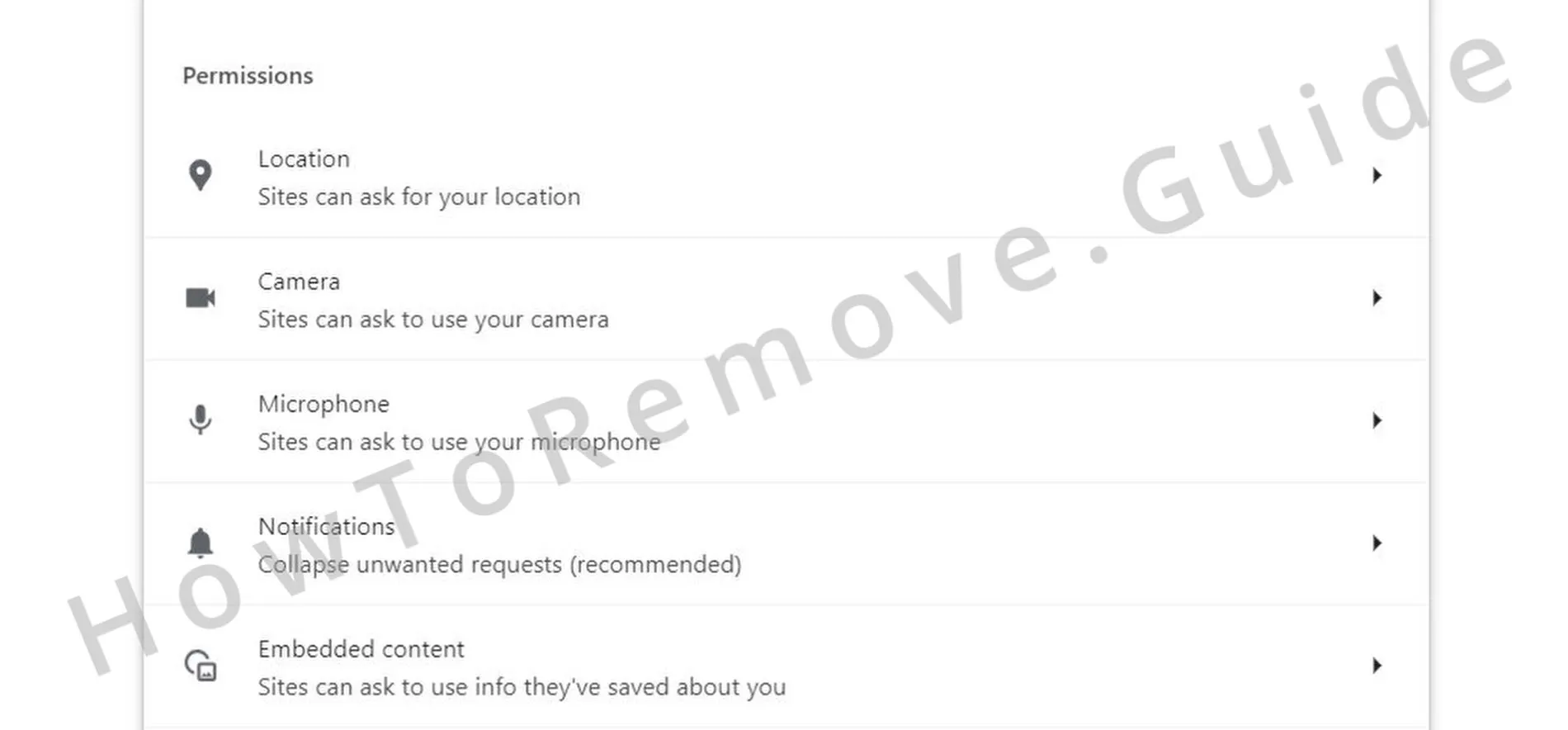
- 6.3Review your Site Settings and revoke permissions for websites you don’t recognize (check all permissions).
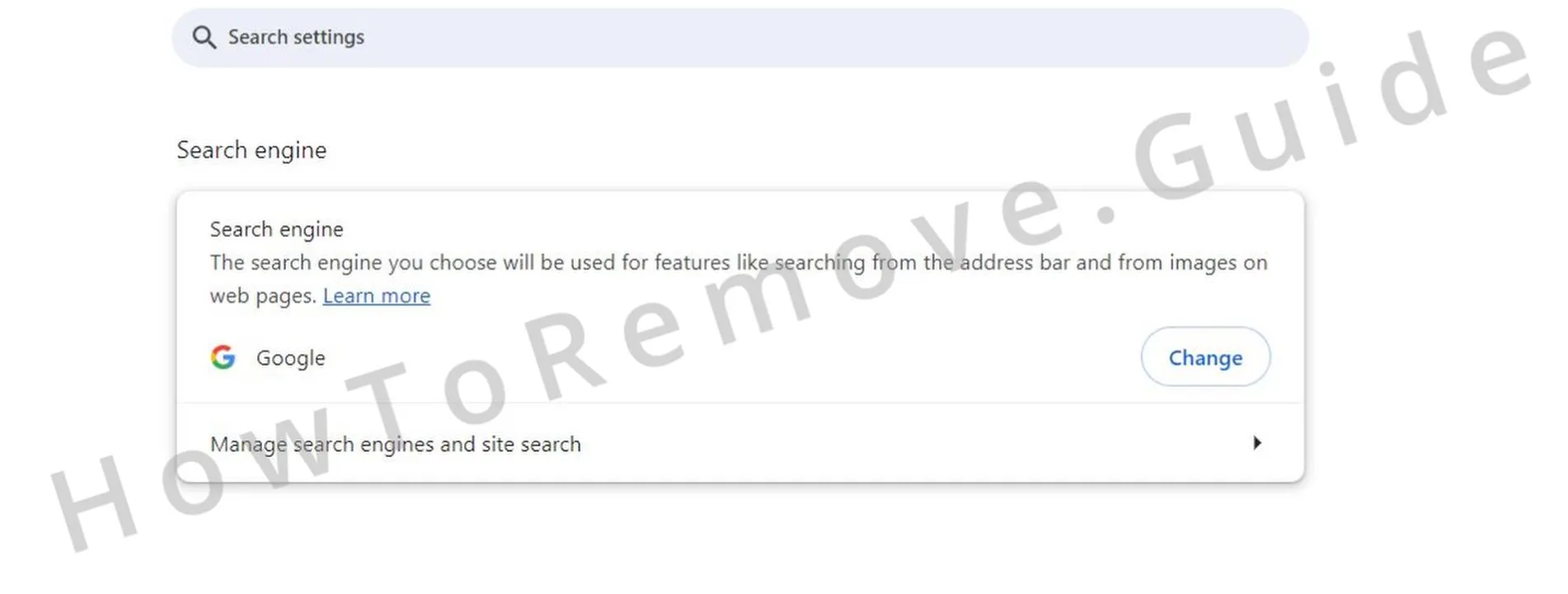
- 6.4Then, check your default search engine. Make sure it’s set to something you trust. Also, remember to check the Manage Search Engines section and delete any unfamiliar search providers you may see there.
- 6.5Finally, check the On Startup and Appearance sections. Look for suspicious URLs included there and delete anything you don’t trust.