

Has your browser been acting in an unusual way in recent days? Has it been sending you to odd pages, pushing unfamiliar ads, or quietly changing your settings? If any of this sounds familiar, then you may be dealing with a hijacker called Perundol.co.in.
You may even be seeing dramatic antivirus pop-ups that warn you of malware, but that’s just Perundol.co.in trying to get you to go to some site or download some app that it’s supposed to promote. That’s how this and other hijackers like Abobus.co.in and Finesearcher.com function – they embed themselves into your browser, tweak your permissions, and then they go to work collecting your browsing data and rerouting you to all kinds of scammy pages.
Every site you visit, every search you run, every click you make – that’s all fuel for ad targeting and revenue on the hijacker’s end. That’s why your home page or default search engine may have shifted without your say-so.
Don’t let the mild appearance fool you: while Perundol.co.in won’t directly corrupt your files, it still puts your privacy at risk and can expose you to scam pages in the process. The smart move here is to root it out completely so your browser and data stay in your control.
We tested that SpyHunter successfully removes Perundol.co.in* and we recommend using it. It will block Perundol.co.in from reinstalling itself and it will make sure your device is clean from any malware.
 Try Free For 7 Days*
Buy now15% OFF if you buy straight without trial.
 OFFER
OFFERPerundol.co.in Removal Tutorial
Rely on a measured sequence, not guesswork. Make only one change at a time so results are easy to verify and undo if needed. Start with the browser’s obvious culprits before moving to system layers. This deliberate pace helps because Perundol.co.in can sit behind normal settings where hurried clicks leave it intact.
Quick Steps to Remove Perundol.co.in
- 1.1Start in your daily browser and open Settings to look for add-ons tied to Perundol.co.in. In Chrome, open the ⋮ menu; in Firefox, open the ☰ menu. Go to Extensions or Add-ons, then scan the full list and focus on entries you don’t remember adding.
- 1.2Ask yourself whether an add-on earns your trust, then confirm by checking its name, icon, permissions, and description. Imposters often differ by a single character. If doubts remain after inspection, click Remove. A quoted search of the exact name usually exposes threat reports or imitation warnings.
- 1.3Because site privileges can trigger pop-ups and redirects, move to Privacy and security → Site permissions – expand Advanced if present. Review access granted to microphone, camera, location, and notifications, plus categories like automatic downloads where available. Remove permissions for sites you don’t recognize or no longer use.
- 1.4After clearing suspicious permissions or add-ons, close the browser completely and reopen it to reload configuration files. That restart helps finalize policy changes and clears cached scripts that try to persist. Many issues lessen right here, especially when both extensions and site permissions were corrected together.
If the browser behaves normally now, you may stop. If symptoms continue, continue with policy checks because Perundol.co.in sometimes pins its preferences using browser management features that override your manual changes after each restart.
SUMMARY:
| Name | Perundol.co.in |
| Type | Browser Hijacker |
| Detection Tool |
Some threats reinstall themselves if you don’t delete their core files. We recommend downloading SpyHunter to remove harmful programs for you. This may save you hours and ensure you don’t harm your system by deleting the wrong files. |
If you have a Mac virus, please use our How to remove Ads on Mac guide.
If you have an iPhone virus, please use our iPhone Virus Removal guide.
How to Remove the Perundol.co.in Virus
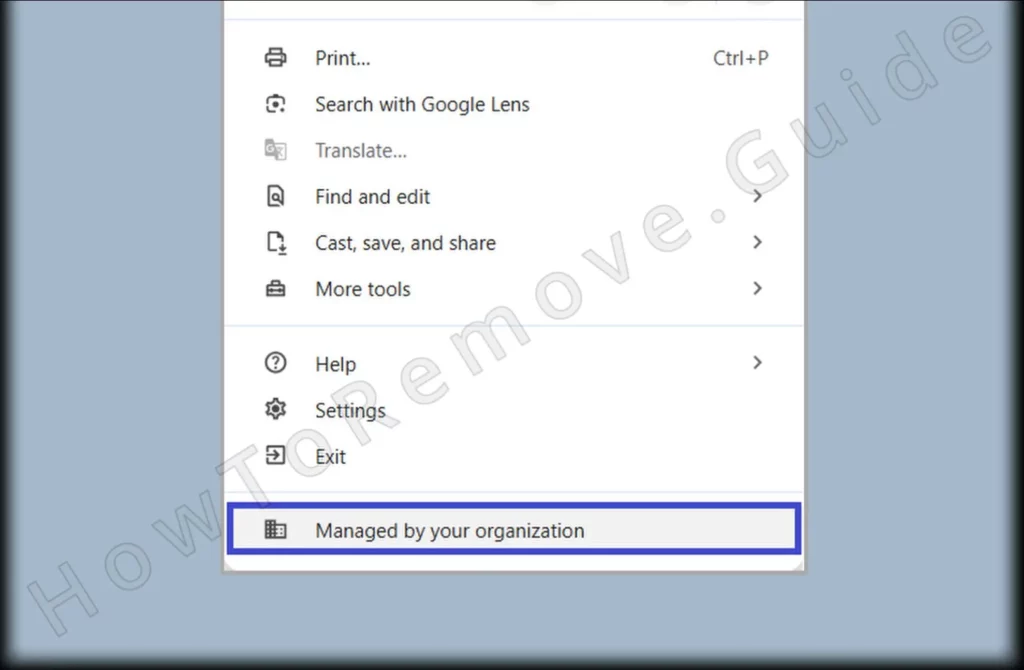
When the browser shows Managed by your organization, that’s not a typical extension conflict. It means settings are enforced by policy, so toggling an option may do nothing on the next launch. This matters because Perundol.co.in often abuses those policies to lock homepage, search, or extension states.
Seeing that banner confirms an administrative policy is active and potentially replacing your edits at startup. The durable fix is to discover which entries control your browser, record their exact values, and then remove their sources carefully. That method reduces risk while preventing re-application after reboot.
1. Identify the Perundol.co.in Policies
- 1.1
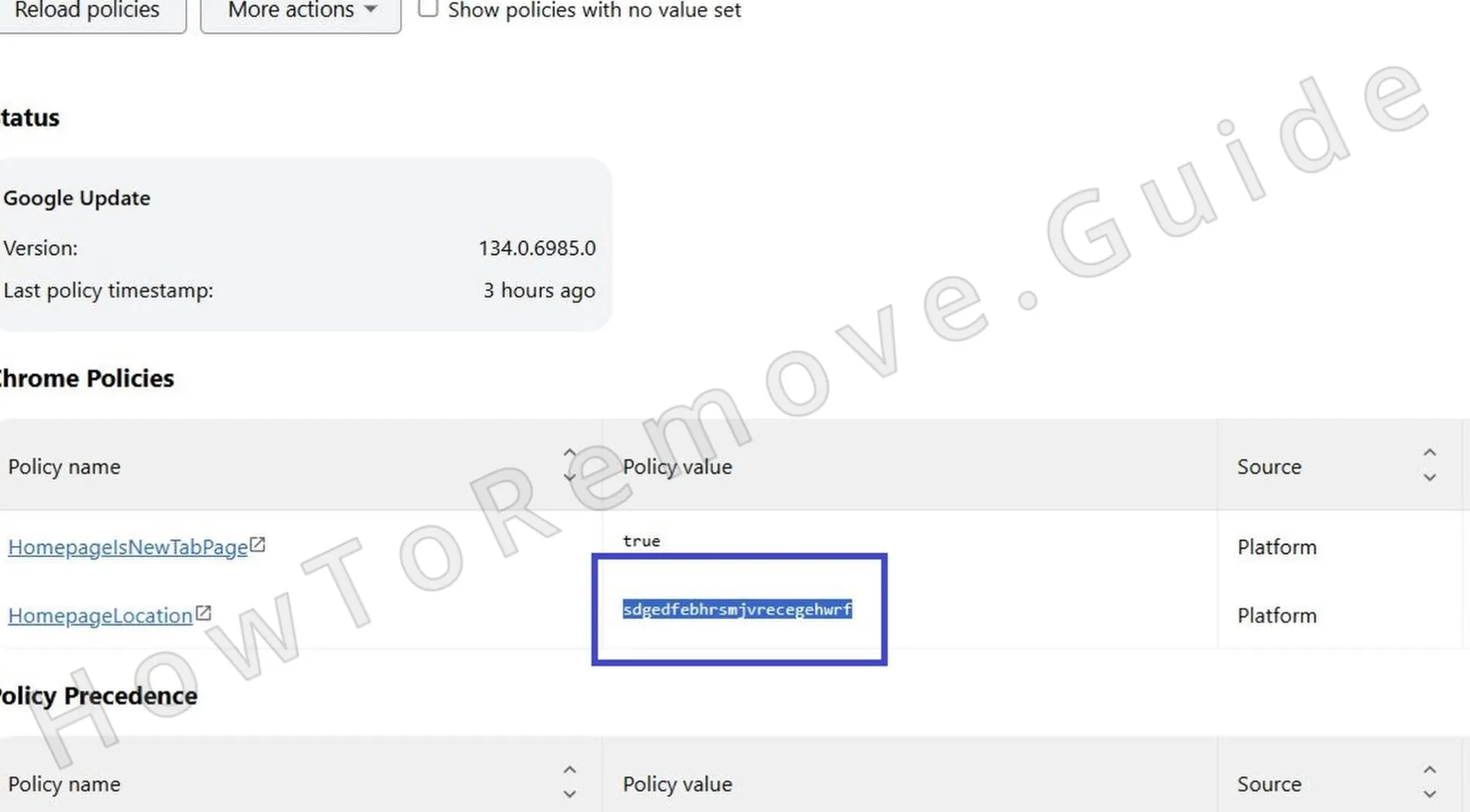 Verification comes first: open the policy viewer to see entries that might reference Perundol.co.in or enforce unrelated changes. In Chrome, go to chrome://policy; in Edge, open edge://policy. Wait for the list to populate, read each entry and description, and mark anything that doesn’t match your usual setup.
 - 1.2Because gentle wording can hide strict controls, open each item’s details and inspect keys, URLs, and forced preferences you never set. Take clear notes or screenshots of names and values. Those records will point you to specific files or registry branches later, avoiding broad, risky deletions.
- 1.3If extensions look involved, open Extensions and toggle Developer mode in the upper right. This exposes extension IDs and sometimes an Install location. Copy the IDs that you don’t trust. On disk, extension folders almost always match these IDs, which makes locating them straightforward.
- 1.4Blocked from viewing Extensions by a policy or redirect? Treat that as confirmation and step around the browser UI. Use File Explorer to examine and handle files directly so the hostile interface cannot intercept your actions.
- 1.5
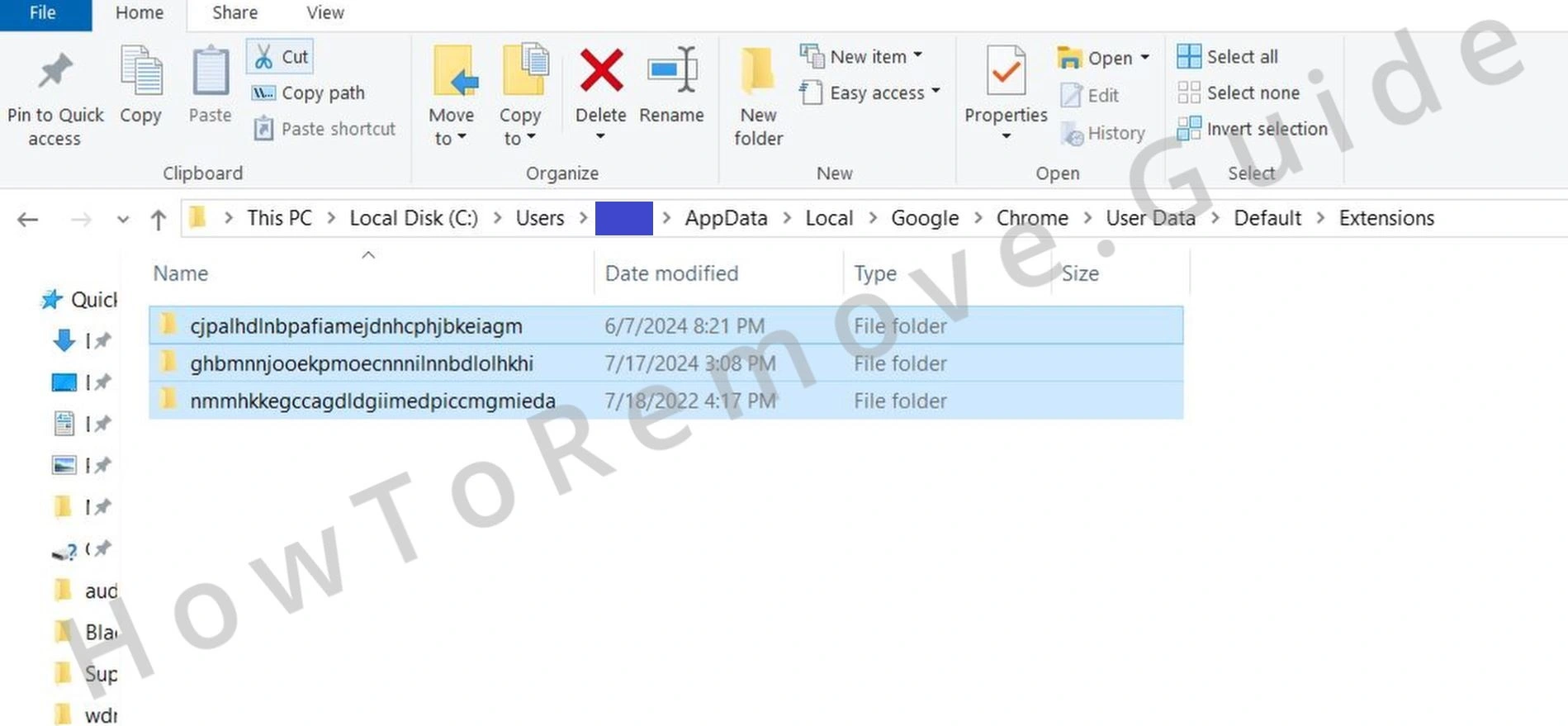 Open File Explorer and navigate to C:\Users<Your Username>\AppData\Local\Google\Chrome\User Data\Default\Extensions. Each subfolder matches an extension’s ID. Compare against your list and remove only the folder that exactly corresponds to the suspicious entry. When uncertain, copy it to a safe location before deleting so you can restore if needed.
 - 1.6
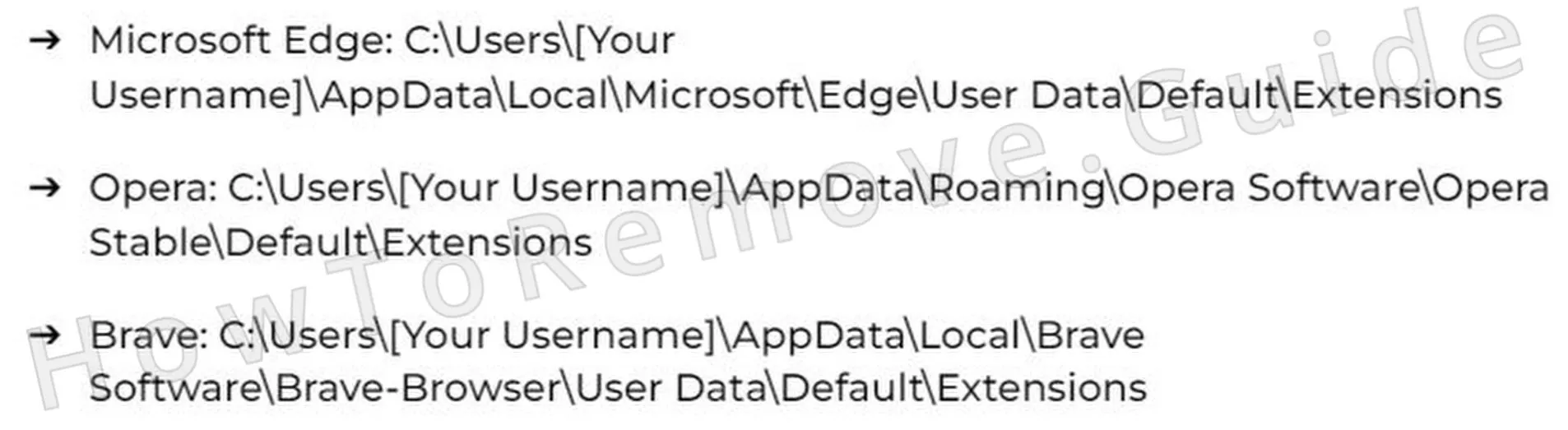 If you also use Brave, Opera, or other Chromium-based browsers, repeat this inspection in their AppData extension directories. Remove any matching rogue folders there. Cross-browser syncing and shared installers can quietly reinstall unwanted components you already removed in Chrome.
 - 1.7Return to Extensions with Developer mode still on and confirm the unwanted entry is gone. If it respawns, pause account sync to stop cloud reinstallation and look for lingering policy files or scheduled tasks. Reappearance indicates something else is reapplying the configuration.
Get Rid of Perundol.co.in Policies
Editing the Windows Registry requires caution. Backups and patience prevent system instability if a key is removed incorrectly. Move slowly, verify matches before deleting, and document what you change. This steady approach blocks policy remnants from surviving across reboots or user sessions.
2. How to Delete Perundol.co.in Policies Through the Registry
- 2.1Before modification, launch Registry Editor and save a backup so any changes linked to Perundol.co.in can be reversed. Press Windows + R, type regedit, press Enter, then in File → Export choose All and store the file with a date-stamped name in a safe location.
- 2.2Next, target the exact keys. Use Ctrl + F or Edit → Find to search for the suspicious extension ID or policy name you recorded. Delete each precise match, then press F3 to continue searching. Keep going until there are no further hits in any registry hive.
- 2.3
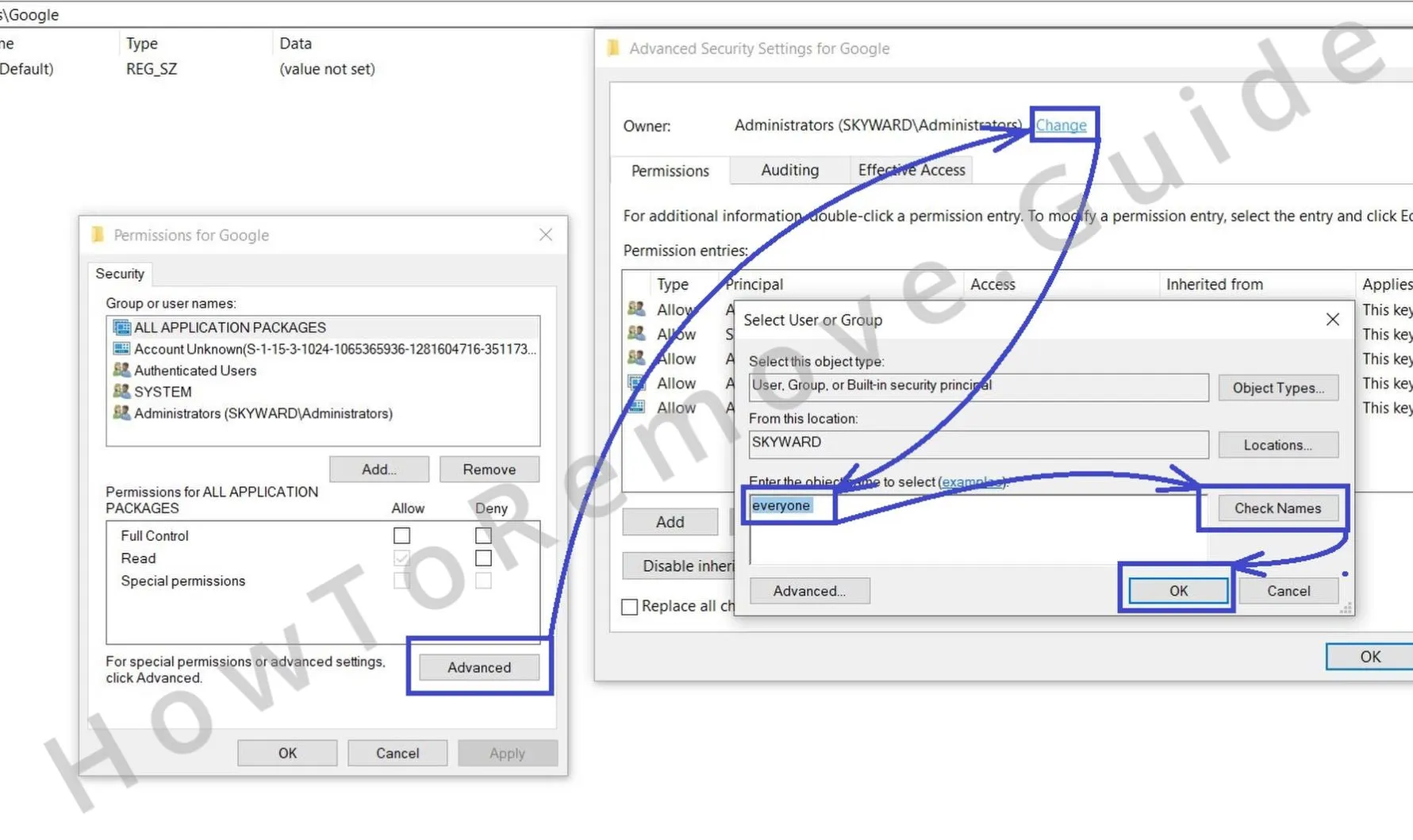 If you encounter a denial when deleting, right-click the key, choose Permissions → Advanced, then select Change next to Owner. Enter Everyone, click Check Names, and press OK. With ownership corrected, adjust inherited permissions so the key – and its values – can be removed.
 - 2.4
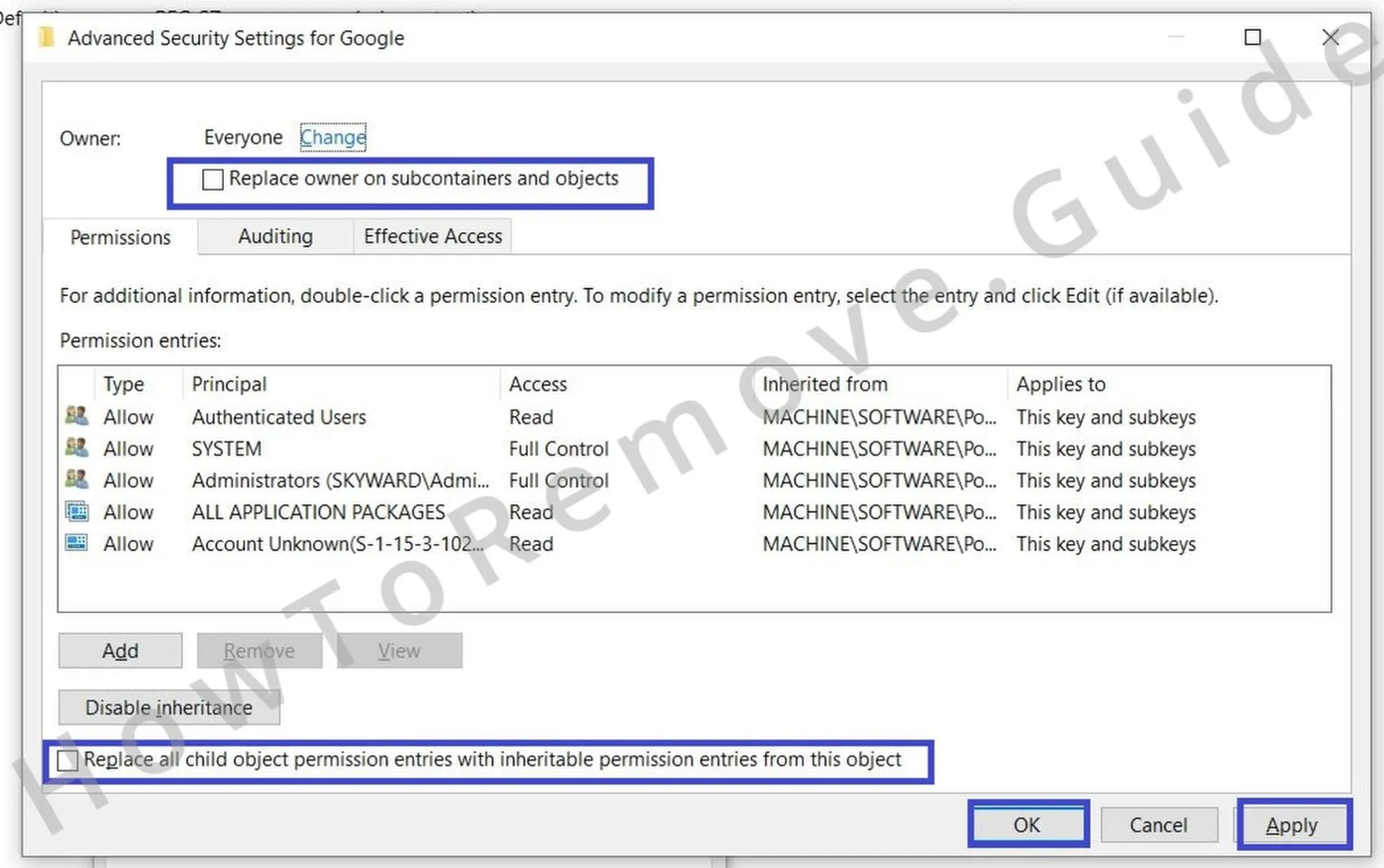 To ensure control extends to children, enable Replace owner on subcontainers and objects and Replace all child permission entries with inheritable permissions from this object. Click Apply, then OK. Delete the stubborn key, reboot the system, and reopen the browser to confirm the managed banner is gone.
This gives you the access needed to delete the rogue key.
Alternative Tools to Delete Perundol.co.in Policies
Residual policies can come from local templates or helper utilities that reapply them after each login. That doesn’t always mean you missed a registry entry; it can mean another source enforces the same setting. Clear every layer that can write browser policies so they cannot return.
3. Other Ways to Get Rid of Perundol.co.in Policies
- 3.1
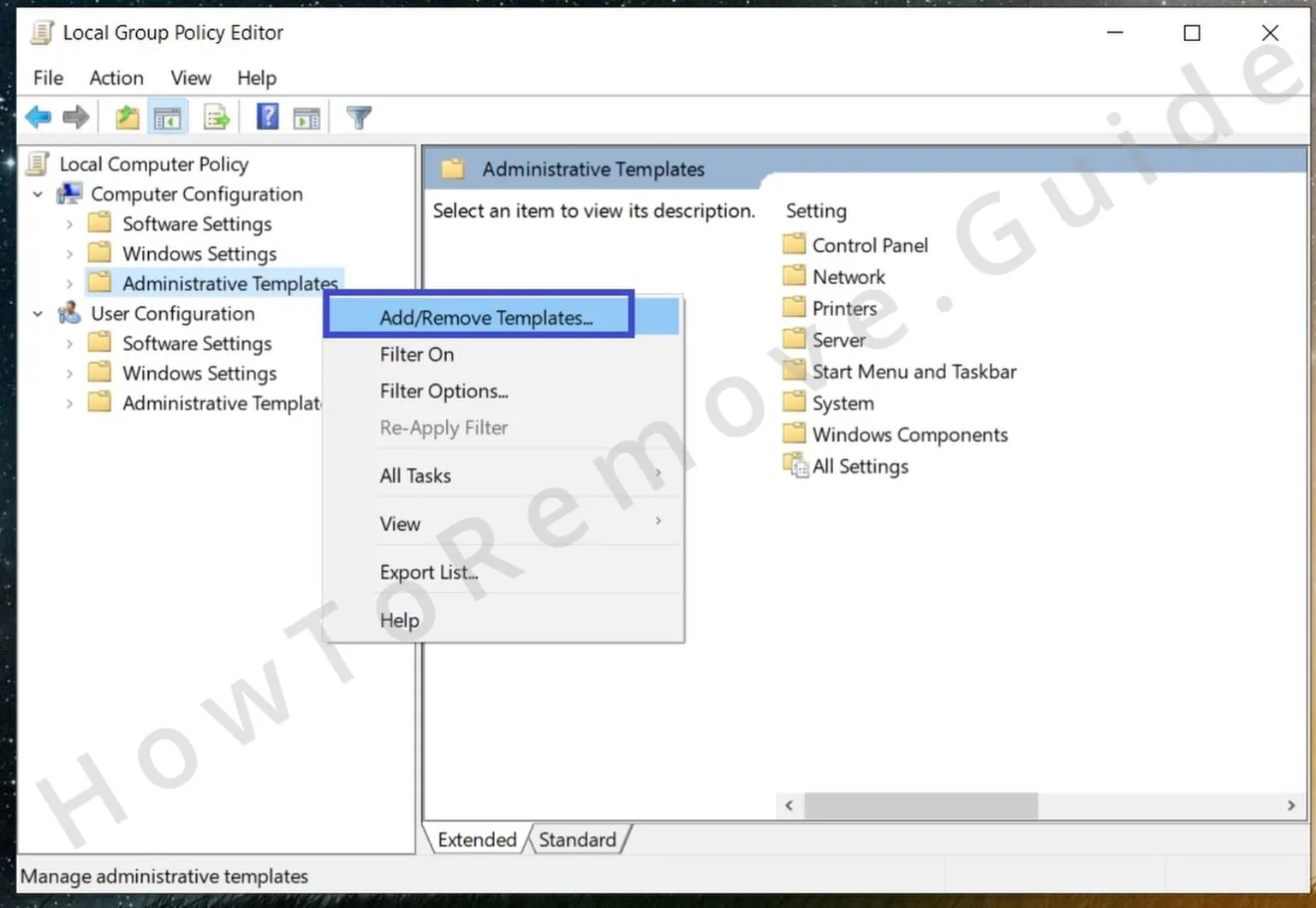 To inspect local administrative templates with Perundol.co.in in mind, press Windows + S, type Edit group policy, and press Enter. In the left pane, expand Administrative Templates and review configured options that influence the browser, including homepage, startup URLs, extension installs, and default search.
 - 3.2
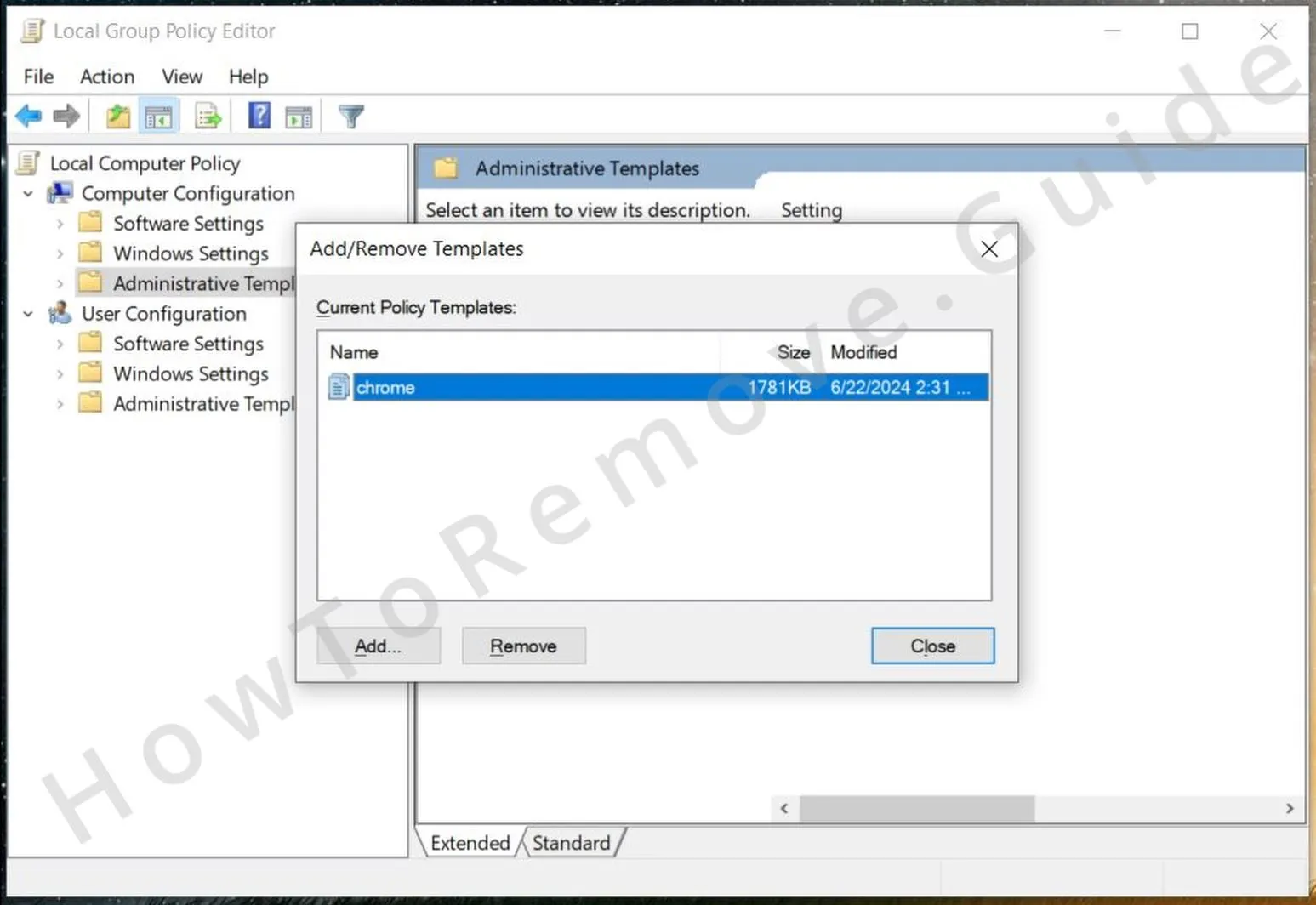 If you find templates you don’t recognize, right-click Administrative Templates and choose Add/Remove Templates. Remove the unfamiliar entries. Malicious templates can create or restore policy keys you already deleted, making the browser appear locked even after a registry cleanup.
 - 3.3For Chrome, consider a reputable Chrome Policy Remover to reveal hidden or deprecated entries not shown in standard views. Right-click the utility and select Run as administrator so it can enumerate both user and machine scopes. Tools limited to user-only scope may miss system-wide policies.
- 3.4When SmartScreen or security software warns, choose More info → Run anyway only if the source is trusted. After cleanup, restart Windows. Recheck the Registry and Group Policy Editor to ensure entries don’t repopulate and confirm the browser no longer shows the management notice.
Uninstall Perundol.co.in From Chrome, Edge, and Other Browsers
Even after policy removal, stale sync data or cached site settings can restore old behavior. Finish by validating extensions, clearing stored data, and resetting core preferences. This end pass ensures search, notifications, and startup pages reflect your choices rather than previously enforced defaults.
4. How to Remove Perundol.co.in From Your Browser
- 4.1If add-ons keep coming back, consider whether sync is reinstalling them along with traces of Perundol.co.in. Open Extensions/Add-ons, remove suspicious entries again, and temporarily turn off account sync on all devices. After the machine stays clean through several restarts, you can re-enable sync.
- 4.2
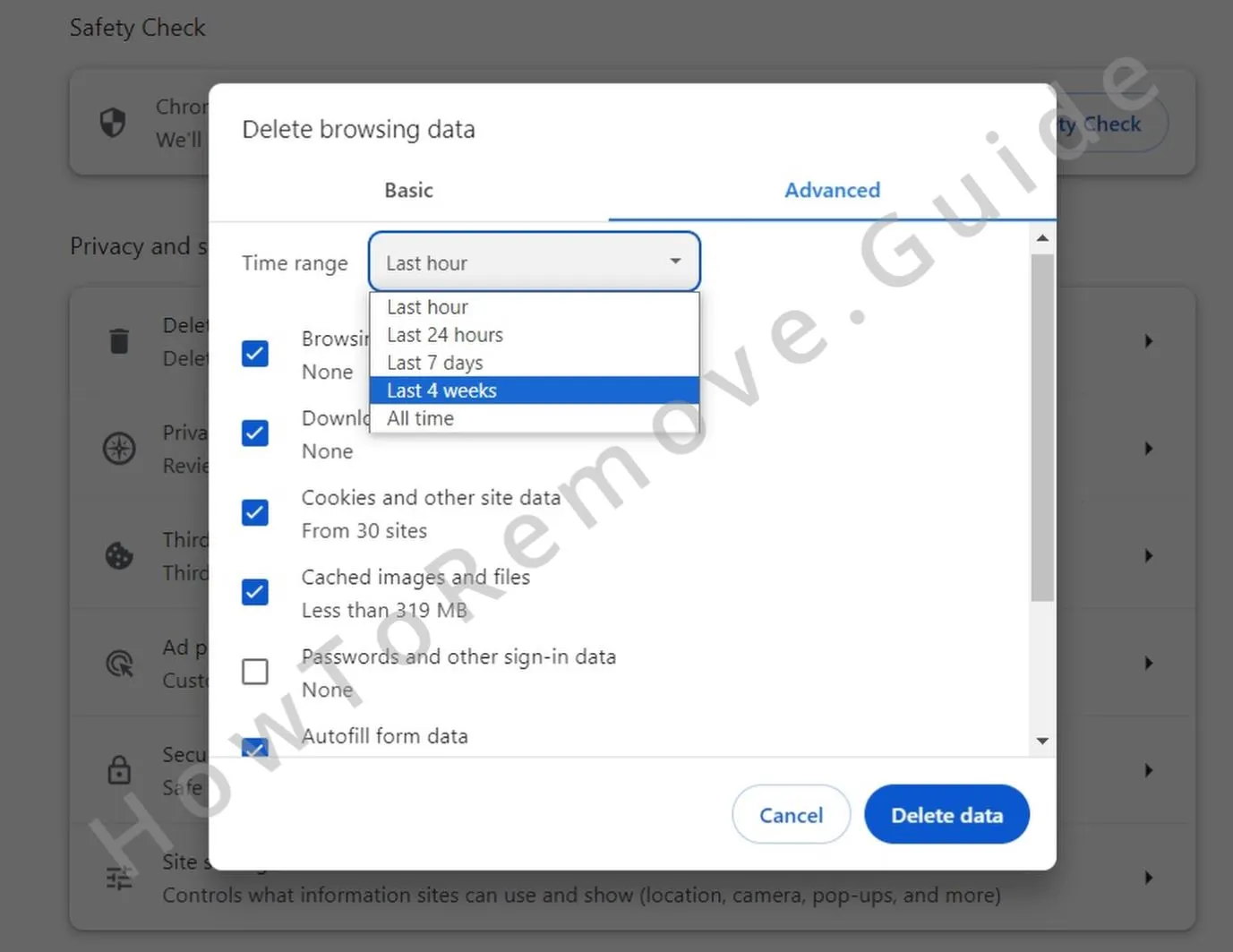 To stop stubborn redirects, clear stored data so embedded scripts can’t reload. Open Clear browsing data, choose All time, leave Saved passwords unchecked, and delete cookies, cached images and files, and site data. This also flushes service worker caches that may trigger background prompts.
 - 4.3
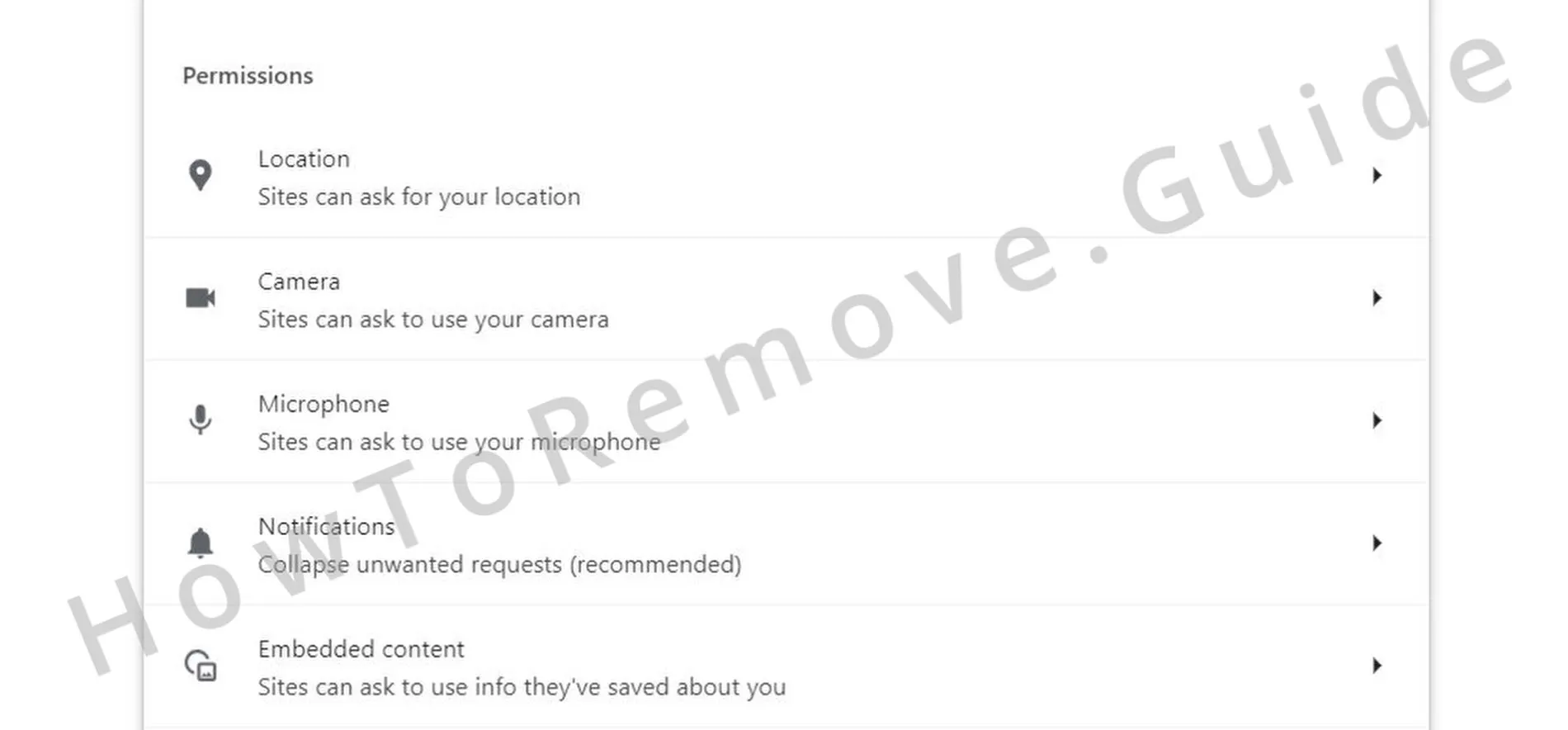 Now review live permissions. Go to Privacy and security → Site settings and remove camera, microphone, and notifications permissions for unfamiliar domains. Also check Background sync, Pop-ups and redirects, and Automatic downloads if available. Tightening these areas reduces surprise prompts after restarts.
 - 4.4
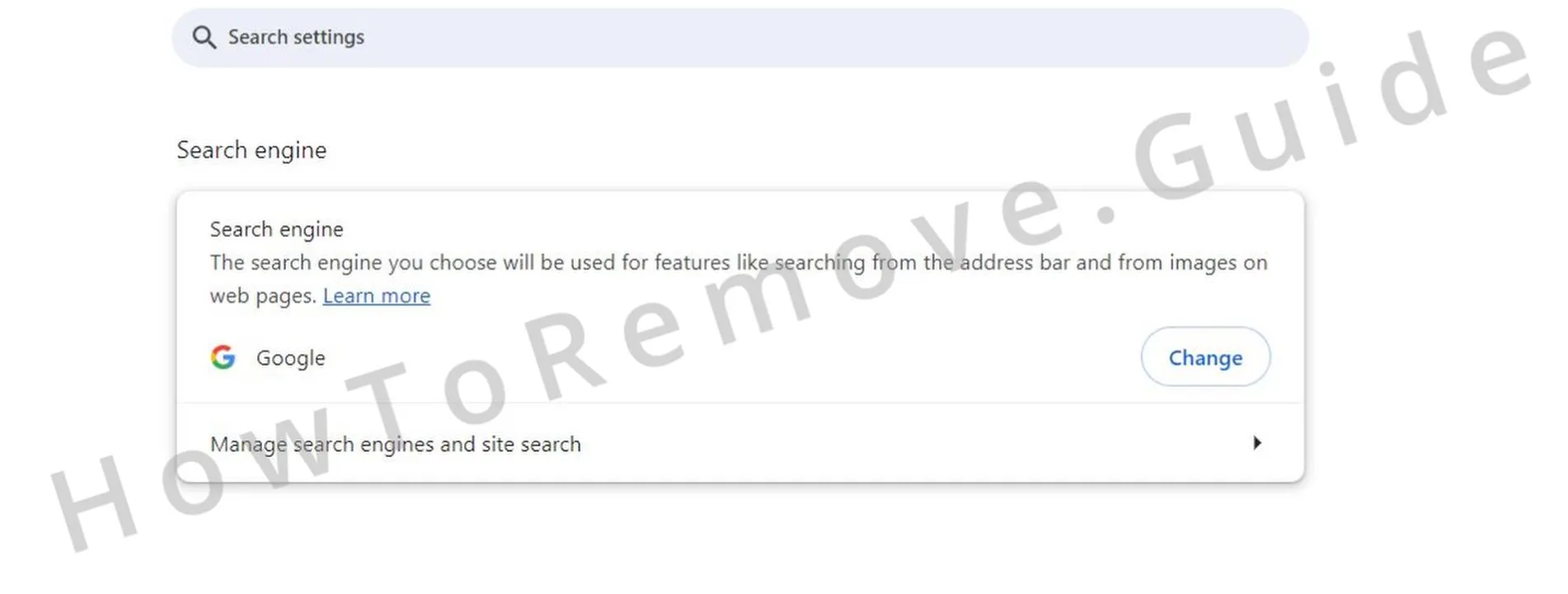 Restore search control. Open Search engine settings → Manage search engines, remove engines you don’t recognize, and set Google, Bing, or DuckDuckGo as Default. Confirm no custom keyword or new-tab rule redirects queries to an unknown service.
 - 4.5Lock down startup behavior. In On startup or Appearance, remove any Startup pages or Home page entries you didn’t add, and choose a trusted site or New Tab. This prevents launch-time redirects and helps keep sessions predictable across reboots.
Finishing with these checks reduces the chance of silent reinstallation via sync, scheduled tasks, or leftover files. Keep the notes you made; they make troubleshooting faster if symptoms resurface later.
