

If your browser has suddenly started acting weird – spamming you with endless ads, sketchy redirects, and pop-ups screaming “McAfee/Norton found threats!” – don’t panic and don’t click any of that loud content. Chances are you’ve picked up a browser hijacker like Safevirus.info that’s now trying to trick you into interacting with whatever content it’s set to promote.
This thing isn’t a Trojan that deletes files or some sort of advanced spyware. Instead of targeting your data, similar to Indeanapolice.cc and Nextgeeker.com, it hijacks your homepage, new tab, and search engine, and uses its newly-gained control to spam notifications even when the browser is closed.
Safevirus.info commonly slips in through bundled installers, shady extensions, or a fake CAPTCHA that tricks you into pressing “Allow” without really telling you what you are actually allowing. Once it has the permissions it needs, it starts to push you toward scam pages, phishing forms, and occasional drive-by malware downloads, all to generate ad revenue and harvest browsing data that can be sold for extra profit.
The real danger is interacting with what it shows you, and the only way to deal with it is to ensure the hijacker gets booted out. You can do this manually, and the guide below will show you how, but if the hands-on approach seems a bit too complex and time-consuming, you can also use SpyHunter 5, which will take care of everything in only a matter of a couple of clicks.
We tested that SpyHunter successfully removes Safevirus.info* and we recommend using it. It will block Safevirus.info from reinstalling itself and it will make sure your device is clean from any malware.
 Try Free For 7 Days*
Buy now15% OFF if you buy straight without trial.
 OFFER
OFFERStep-by-Step Safevirus.info Removal Guide
Follow the items in sequence and keep track of what you disable or delete so you can undo a mistake. This method targets Safevirus.info directly, reduces repeat pop-ups and redirects, and helps you avoid broad resets that can wipe useful preferences while leaving the underlying policy or extension in place.
First Pass to Roll Back Browser Changes
- 1.1Open your browser’s Settings to undo changes commonly forced by Safevirus.info.
In Chrome, click the ⋮ menu in the upper-right; in Firefox, use the ≡ menu for the same options.
Open Extensions or Add-ons, scan the list, and flag anything you didn’t install. - 1.2Review each add-on by its name, icon, requested permissions, and full description.
If anything looks off or you can’t confirm the publisher, click Remove.
When unsure, search the exact “extension name” to check the developer and user reports. - 1.3Open Privacy and security, then Site permissions.
Review which sites can use your microphone, camera, location, and notifications.
Disable entries you don’t remember approving and keep a short allowlist for tools you actually use. - 1.4Still under Site permissions, remove sites you never meant to allow.
This reduces repeated prompts, noisy alerts, and surprise redirects at startup.
When finished, restart the browser so changes apply, then confirm the unwanted behavior doesn’t return.
If the pop-ups and redirects stop after this pass, you likely removed the immediate trigger. If they persist, a policy may still be reapplying changes at startup. Continue through the next sections to locate and remove leftovers without relying on broad configuration resets.
SUMMARY:
| Name | Safevirus.info |
| Category | Browser hijacker |
| Removal tool |
Some threats reinstall themselves if you don’t delete their core files. We recommend downloading SpyHunter to remove harmful programs for you. This may save you hours and ensure you don’t harm your system by deleting the wrong files. |
If you have a Windows virus, continue with the guide below.
If you have a Mac virus, please use our How to remove Ads on Mac guide.
If you have an Android virus, please use our Android Malware Removal guide.
If you have an iPhone virus, please use our iPhone Virus Removal guide
How to Manually Remove the Safevirus.info Browser Hijacker
When the browser shows “Managed by your organization,” a policy is enforcing settings and a reset may not touch the source. The next tasks help you find and remove the entries that allow Safevirus.info to reapply search, startup, or extension preferences after each launch. Work carefully, confirm each change, and keep brief notes before restarting Windows.
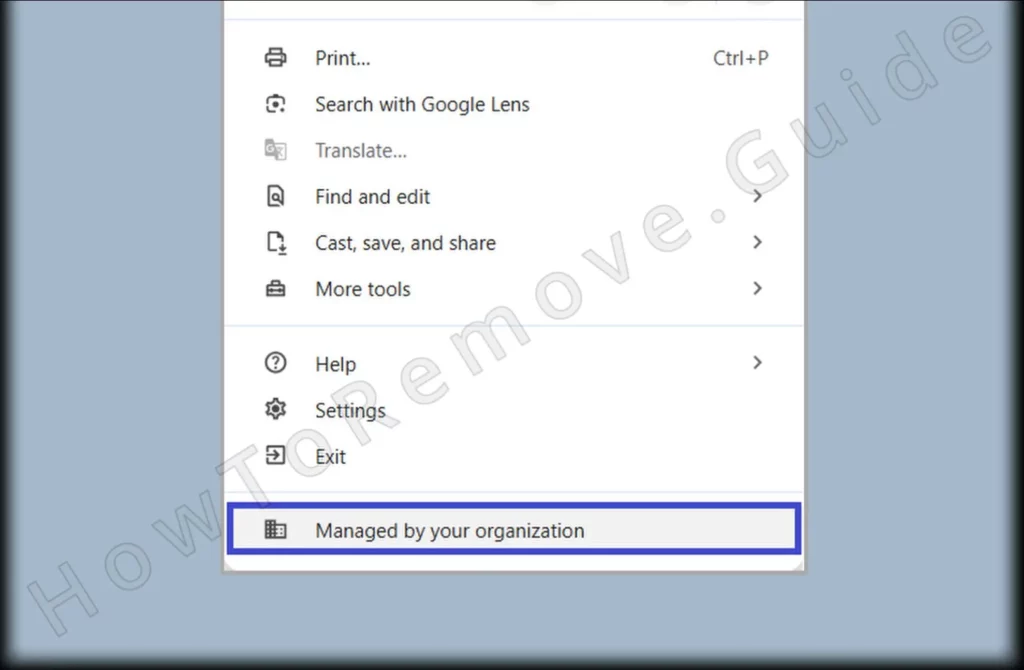
1. Identify Which Safevirus.info Browser Policies Are Applied
- 1.1
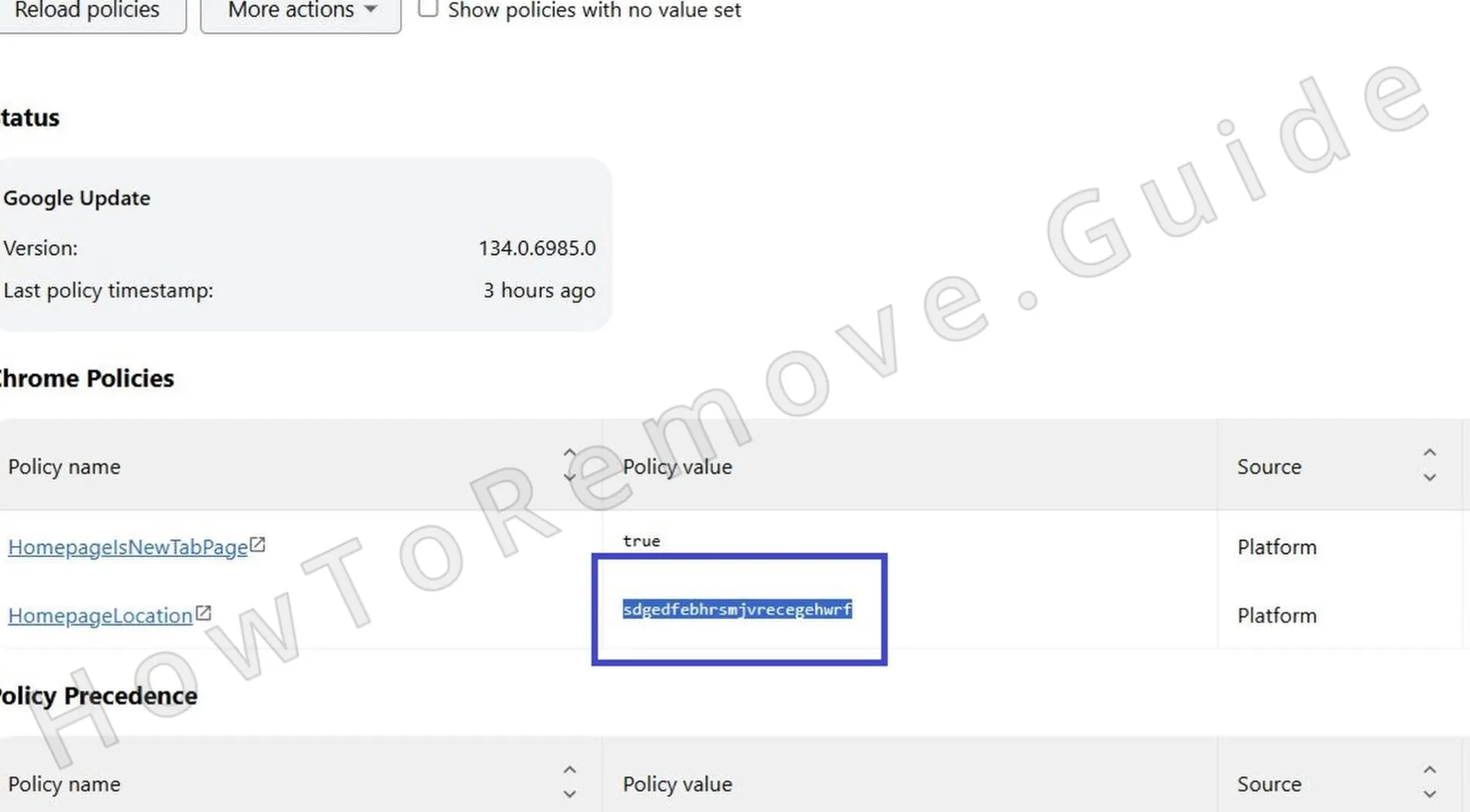 Open the built-in policy page to list rules that Safevirus.info may have added.
In Chrome: chrome://policy
In Edge: edge://policy
Wait for entries to load, then review unfamiliar items; use Reload policies to refresh or export for later checks. - 1.2Go through each policy and watch for random-looking identifiers or unexpected values.
Note anything suspicious so you can match it to folders or extension IDs later.
Write down the exact policy Name and Value; these often map to storage paths or keys you’ll remove. - 1.3Open the browser’s Extensions page and turn on Developer mode.
This view shows extension IDs and install paths needed for manual cleanup.
Copy each suspicious ID to a text file so you can match it with folders on disk. - 1.4If Extensions won’t open or is greyed out, use File Explorer.
Working inside profile folders lets you continue even if the interface is blocked.
Enable View > Show > Hidden items so the AppData directories are visible. - 1.5
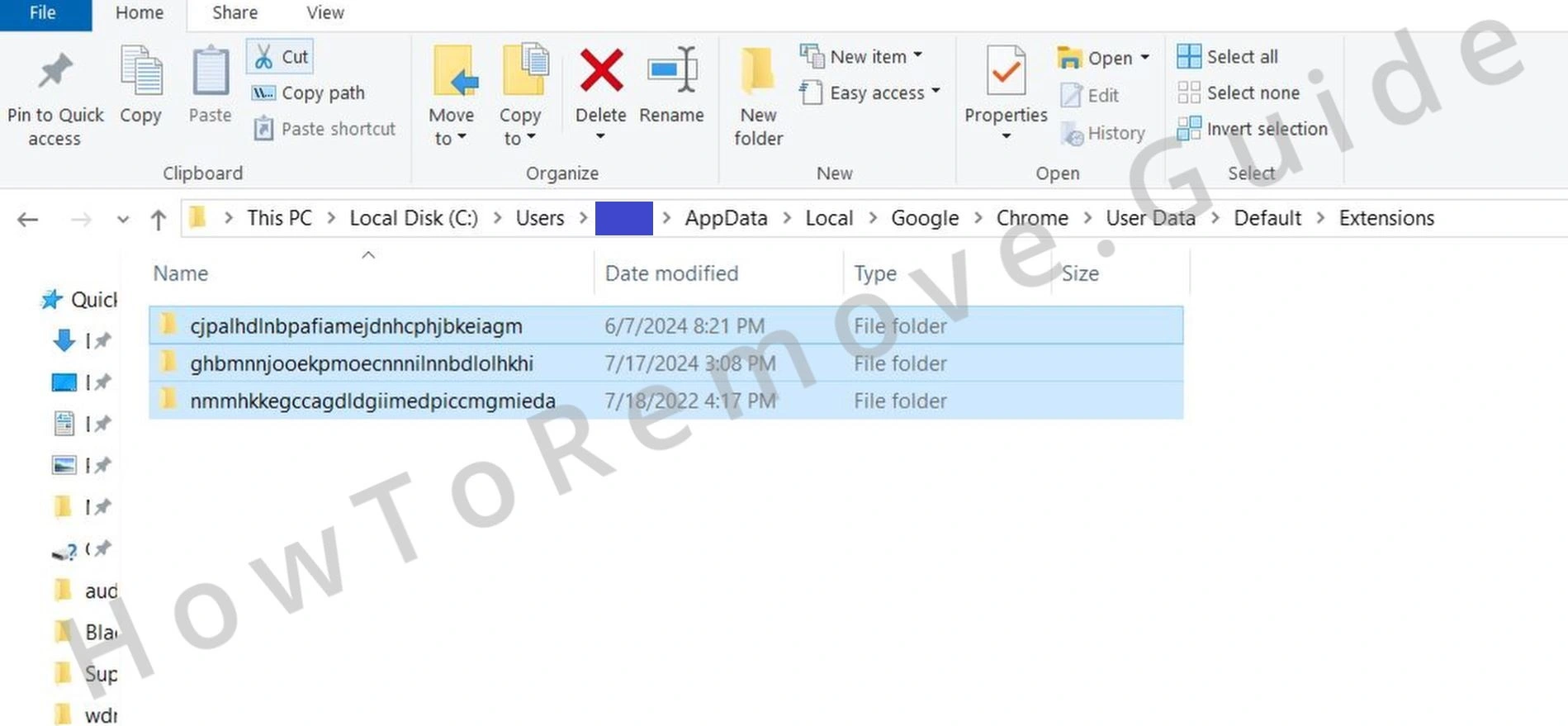 Use File Explorer to open:
C:\Users[Your Username]\AppData\Local\Google\Chrome\User Data\Default\Extensions
Each subfolder name is an extension ID; match these with your notes, avoid deleting folders you recognize as legitimate, and make a quick desktop backup before removal. - 1.6
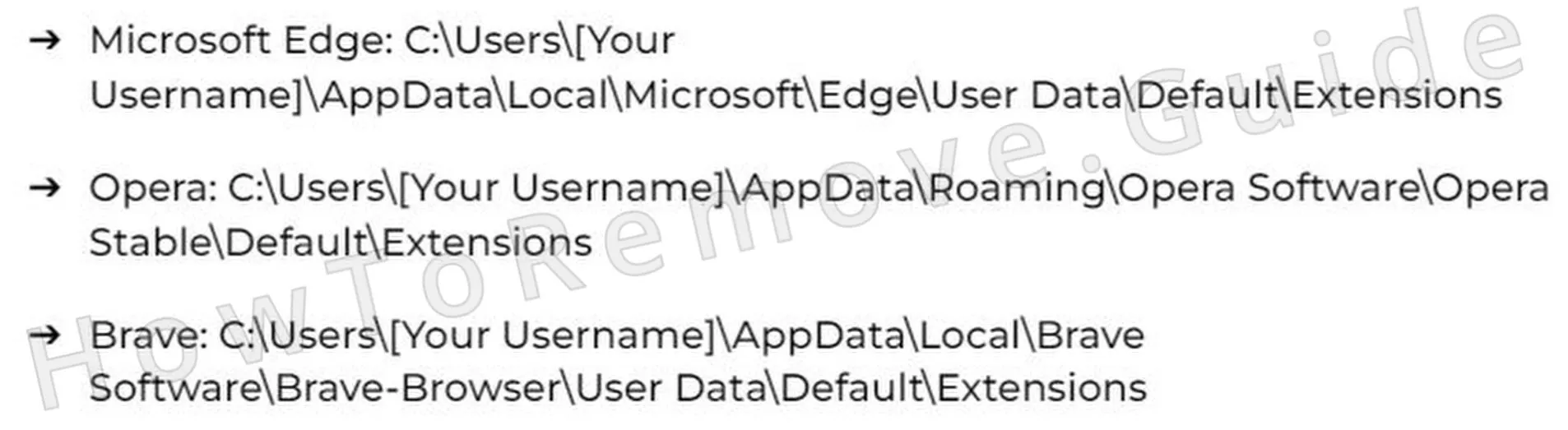 For other Chromium-based browsers (e.g., Brave, Opera), extensions live under a similar AppData tree.
Confirm the extension ID and location before deleting any folder tied to an unwanted add-on.
Open the browser’s About page to ensure it’s fully closed so files unlock for removal. - 1.7After deleting the suspicious folder, return to Extensions with Developer mode still on.
Confirm the extension no longer appears; if it does, repeat the cleanup and look for remaining files that might restore it.
Click Update in Developer mode to refresh the list and catch stealth reinstalls.
Remove Safevirus.info Policies from Windows
Some enforcement is stored in the Windows Registry, where deleting the wrong key can cause real system trouble. Focus only on entries that clearly match the policy names or extension IDs you noted earlier, and ignore unrelated items. This step removes the hooks that let Safevirus.info survive browser resets while keeping Windows stable.
2. Remove Safevirus.info Policy Keys from the Registry
- 2.1Press Win + R, type regedit, then press Enter to open Registry Editor and search for policy keys linked to Safevirus.info.
Before changing anything, open File > Export to save a full registry backup.
Choose All under Export range and store the file in Documents or another easy location. - 2.2Use Ctrl + F or Edit > Find to search for recorded policy names or extension IDs.
Select Find Next and delete only exact matches that clearly belong to the unwanted changes.
Press F3 repeatedly until no related values remain under HKCU and HKLM. - 2.3
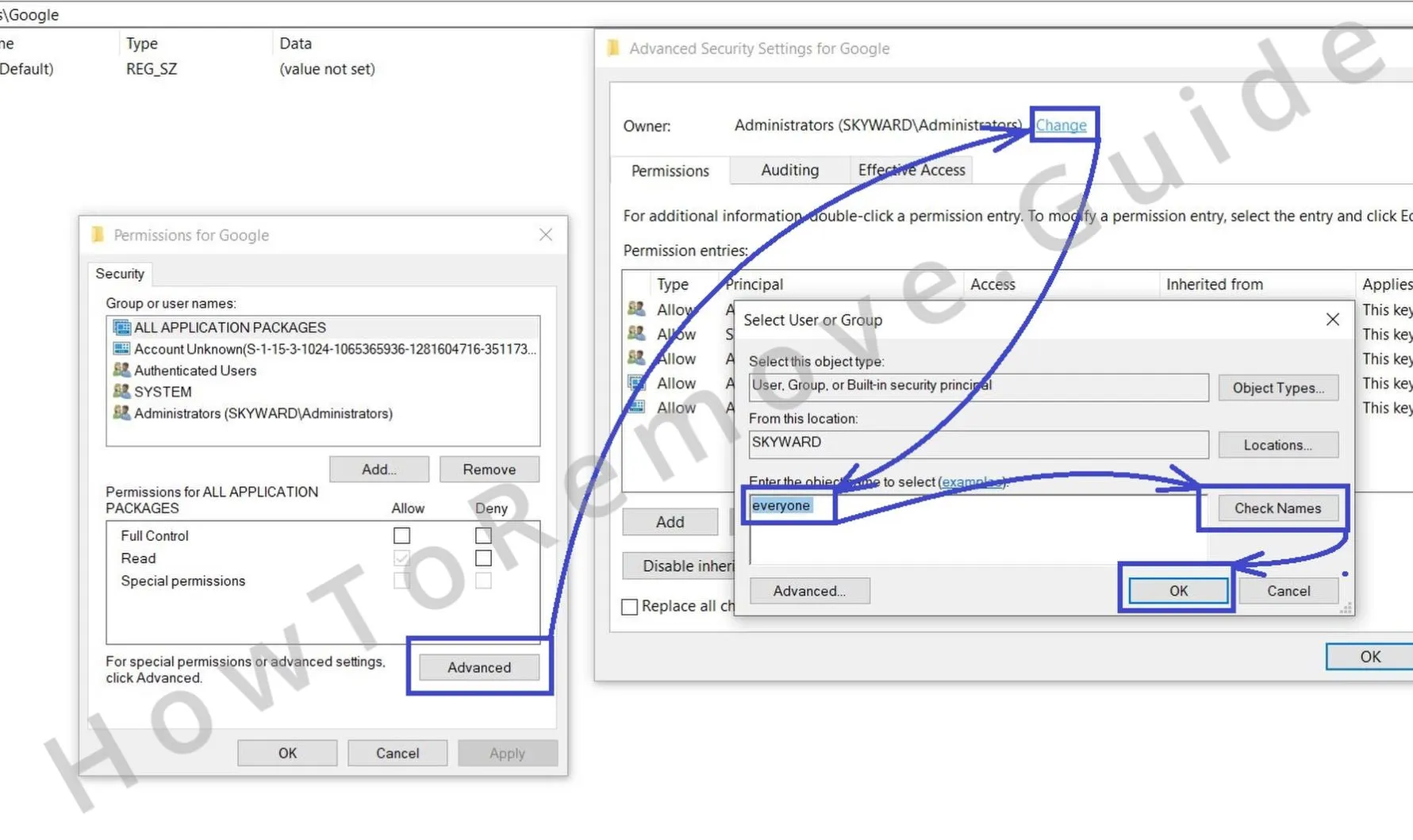 If a key refuses deletion, right-click it, choose Permissions, then Advanced.
Under Owner, select Change, type Everyone, click Check Names, and confirm with OK.
Grant Full Control to Administrators and Users so the key and subkeys can be removed. - 2.4
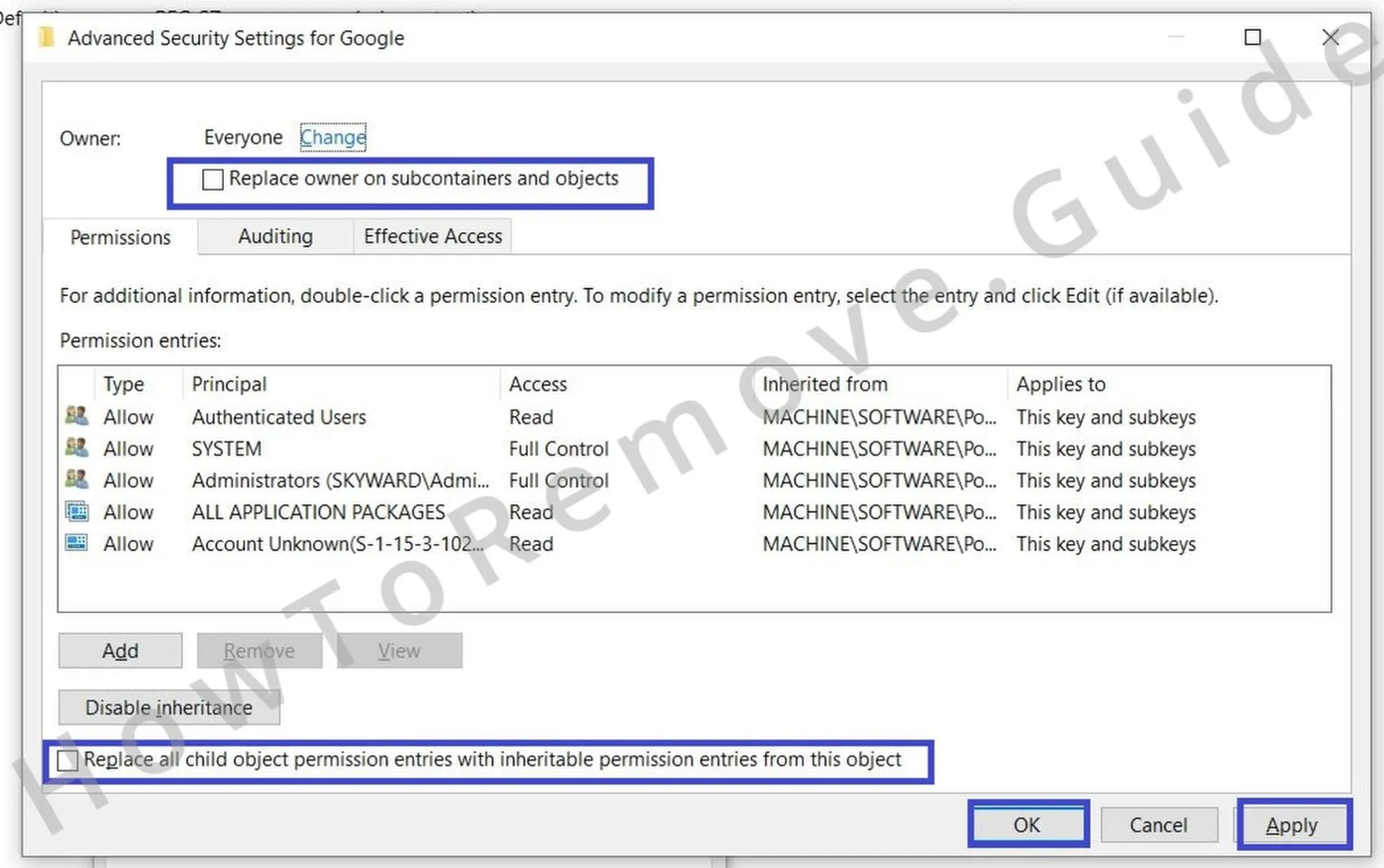 After changing ownership, enable Replace owner on subcontainers and objects and Replace all child object permission entries.
Click Apply, then OK, Reboot, and check whether the Managed by your organization banner remains.
If it’s gone, open regedit again and repeat searches to confirm no related values have returned.
A background service, scheduled task, or local policy can silently restore the settings you just corrected. Safevirus.info sometimes relies on one of these to reapply enforced preferences after a reboot. Use the targeted options below to remove the specific components responsible, rather than making broad system changes that may not affect the real cause.
Alternative Ways to Clear Safevirus.info Enforced Policies
3. Extra Options to Remove Safevirus.info Policy Enforcement
- 3.1
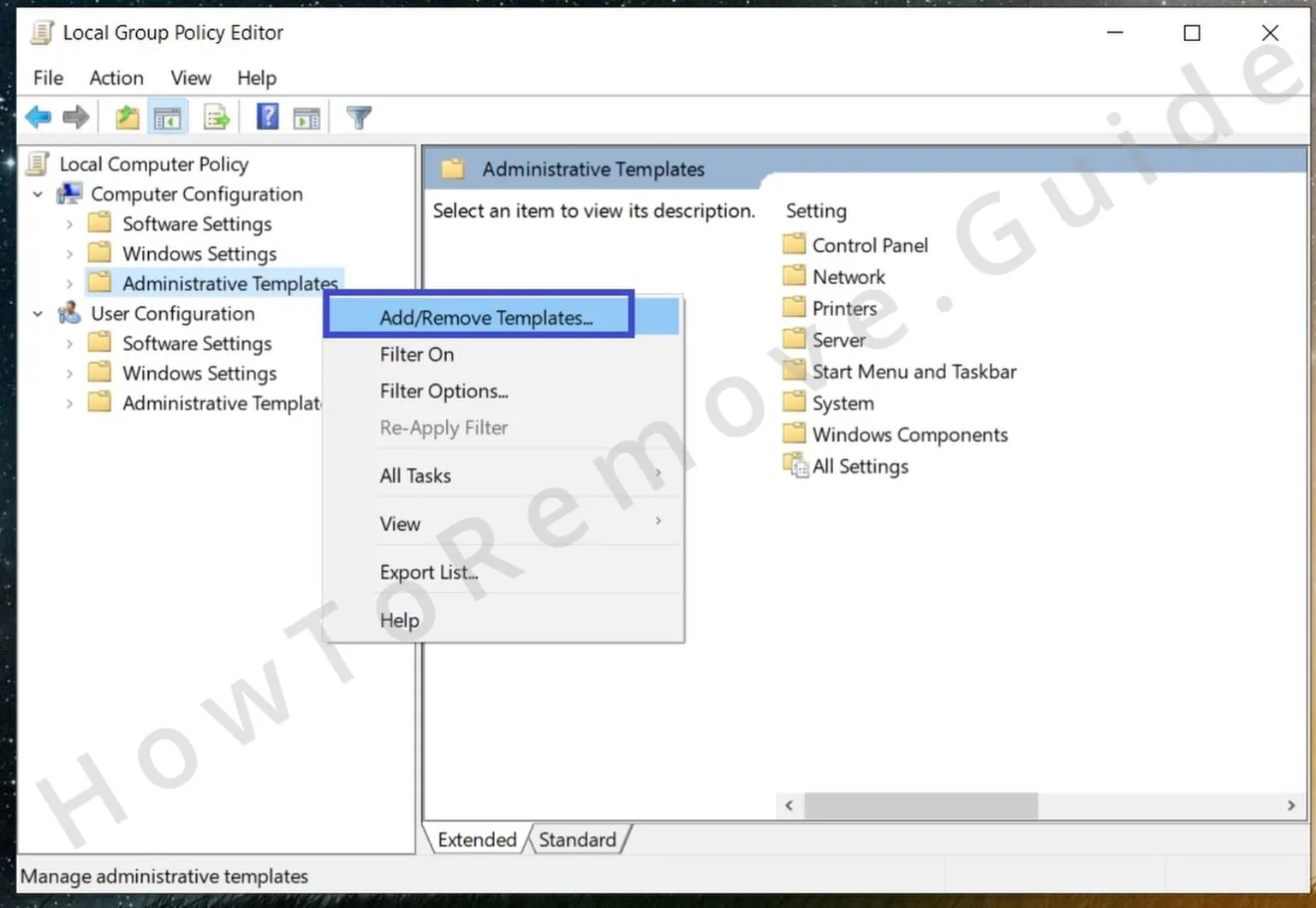 Open Local Group Policy Editor (Win + S → Edit Group Policy) to review rules that Safevirus.info may have added.
Expand Administrative Templates in both Computer Configuration and User Configuration to cover machine and user scopes. - 3.2
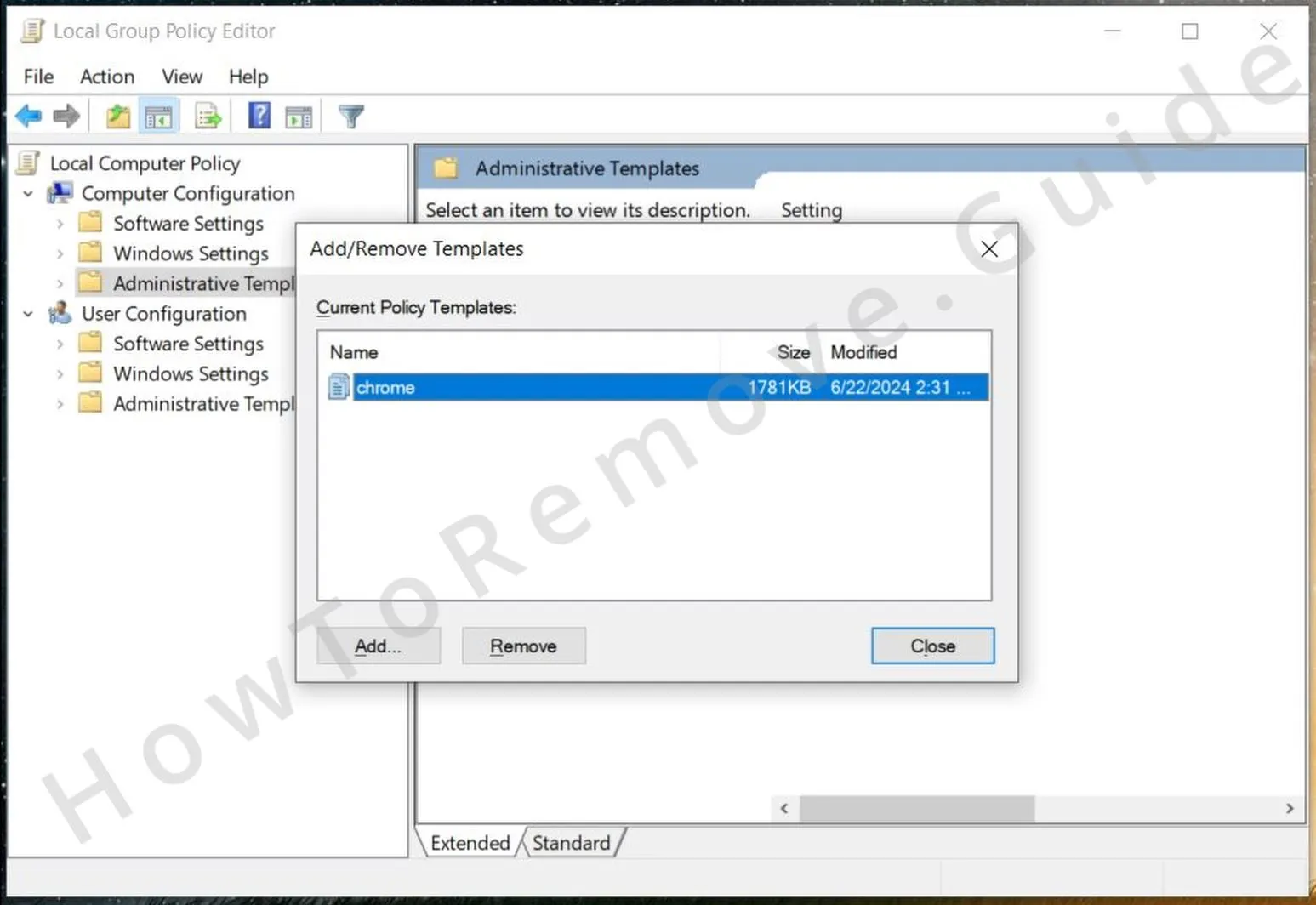 Right-click Administrative Templates → Add/Remove Templates.
Remove items you never installed, then browse Windows Components → Microsoft Edge or Google Chrome and set questionable entries to Not Configured. - 3.3On Chrome, a utility like Chrome Policy Remover can help reveal hidden policy folders.
Download only from a trusted source, Run as administrator, then revisit chrome://policy → Reload policies to confirm the list is clean. - 3.4Open Task Scheduler → Task Scheduler Library and delete tasks that start unknown scripts, CMD/PowerShell, or policy loaders at logon.
Check Services for new entries from unfamiliar publishers and disable/remove them only when clearly connected.
Uninstall Safevirus.info from Chrome, Edge, and Other Browsers
Browser profiles, sync, and cached site data can quietly bring back altered preferences after you sign in again. Safevirus.info often depends on this to restore a changed search provider, startup page, or permissions list. The steps below lock in your defaults and verify that extensions, site access, and search settings stay consistent.
4. Remove Remaining Safevirus.info Changes in Your Browsers
- 4.1Reopen Extensions/Add-ons and remove anything linked to Safevirus.info or clearly out of place.
Use built-in pages like chrome://extensions so the list can’t be hidden by a themed view. - 4.2
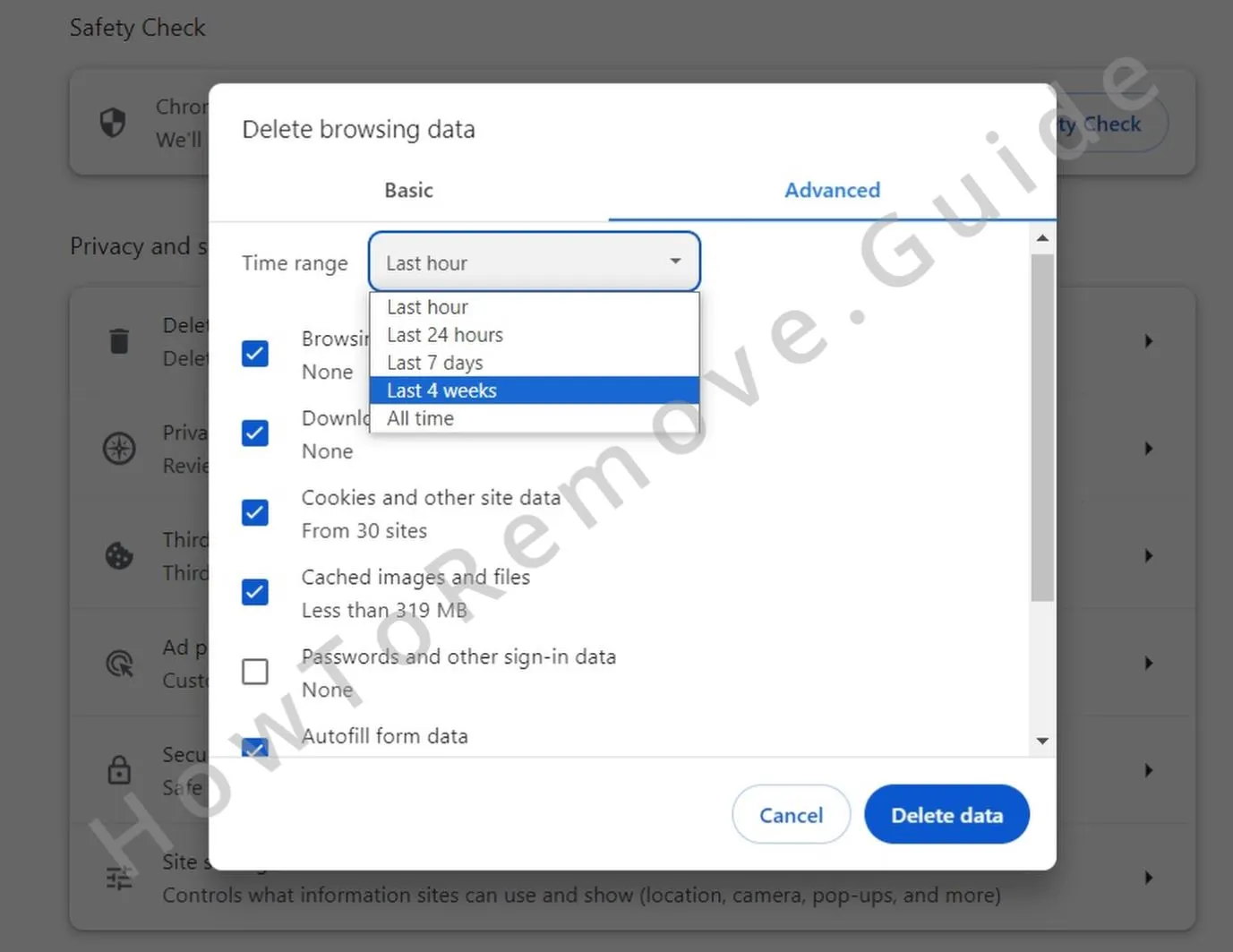 Open Clear browsing data and set Time range to All time.
Clear cache, cookies, hosted app data, and site settings; keep Saved passwords if needed.
Repeat for each active profile; consider Clear data on exit if the changes reappear quickly. - 4.3
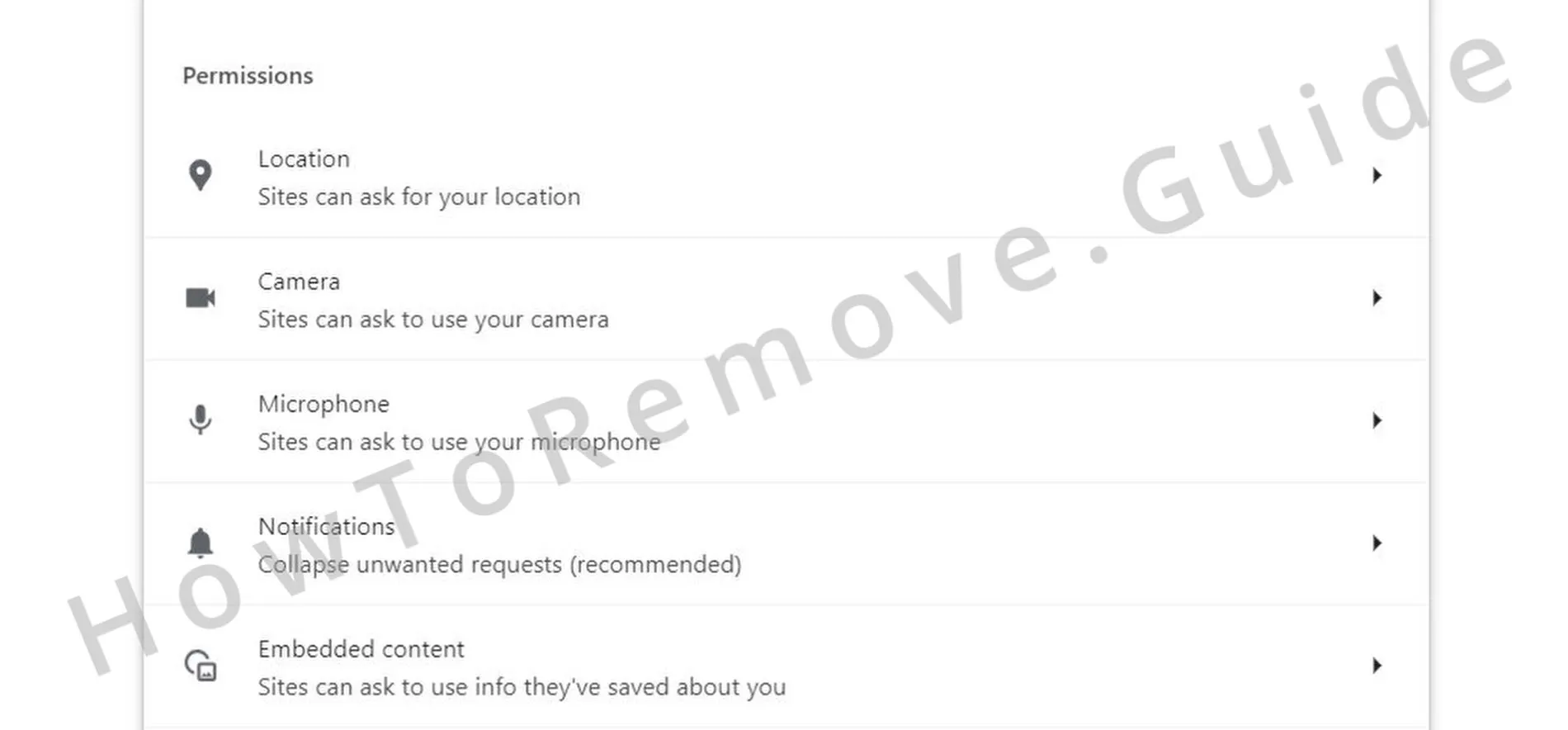 Go to Privacy and Security > Site settings.
Remove or block unfamiliar entries for notifications, camera, microphone, and location.
Use View permissions and data stored across sites to remove noisy domains in bulk. - 4.4
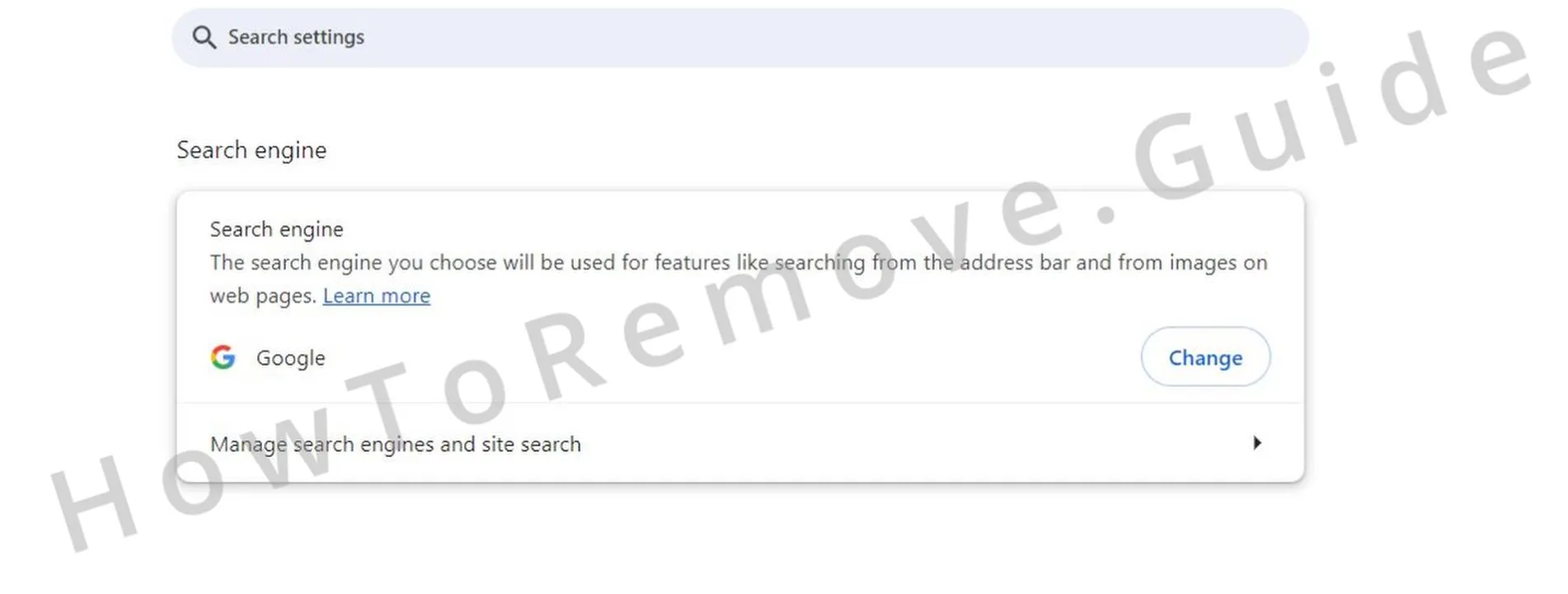 Under Search engine → Manage search engines and site search, delete untrusted providers and restore a known one (e.g., Google, Bing, DuckDuckGo).
Remove custom site-search rules added by hijackers. - 4.5Open On startup and Appearance.
Remove unfamiliar URLs set for startup, homepage, or new tab.
Switch back to the browser’s Default theme.
