

Pulse Browser (PulseBrowser) is marketed as an AI-assisted way to surf the web, but the name is shared by unrelated projects. One Windows-targeting build behaves like a PUA: it can arrive through bundled installers, then steers browsing into channels you didn’t pick while adding friction and clutter.
Instead of giving clean results directly, searches can bounce through mypulsehome.com or search.pulsebrowser.com, then land on a mainstream engine like Yahoo – meaning a middle layer sits between you and the web. That detour can also be used, similar to OneBrowser and EpiBrowser, to inject ads or collect browsing traces.
We tested that SpyHunter successfully removes Pulse Browser* and we recommend using it. It will block Pulse Browser from reinstalling itself and it will make sure your device is clean from any malware.
 Try Free For 7 Days*
Buy now15% OFF if you buy straight without trial.
 OFFER
OFFERPulse Browser is Chromium based and If you spot sudden search/homepage changes, open Windows Settings → Apps → Installed apps, uninstall anything labeled Pulse, and check for a leftover folder at %LOCALAPPDATA%\PulseSoftware\PulseBrowser. Then open your browser’s Extensions page and remove anything unfamiliar.
Finish by doing a settings reset (restore default search and startup pages), and run a reputable security scan. To avoid repeats, install free software using “Custom/Advanced,” and untick extra offers before clicking Next.
Pulse Browser Removal Guide
Begin with the simple checks that fix many situations without digging through folders. Because adware can appear as a normal installed app, Windows can sometimes uninstall Pulse Browser through its standard program list. Follow the steps below in order; if pop-ups, redirects, or injected ads continue afterward, move on to the deeper cleanup actions later in this guide.
Fast checks to remove Pulse Browser
- 1.1Open the Start Menu, type “Apps & Features”, and scan the installed list. If Pulse Browser appears there, run its uninstaller.
- 1.2Sort by Installation date so the most recent items show first – they often line up with when the problem began.
- 1.3Look closely at entries with vague names, missing publishers, or unusual icons; bundled installers frequently add extras like that.
- 1.4Select the suspicious program, click Uninstall, and decline any additional offers the wizard presents.
- 1.5When it finishes, open the program’s installation folder and delete leftovers; some adware leaves small helpers that try to restore it.
Once the uninstall routine is done, restart the computer and watch for pop-ups or redirect behavior. If the symptoms return after reboot, continue with the deeper cleanup steps that follow.
OVERVIEW:
| Name | Pulse Browser |
| Type | Adware/Browser Hijacker |
| Detection Tool |
We tested that SpyHunter successfully removes Pulse Browser* and we recommend downloading it. Manual removal may take hours, it can harm your system if you re not careful, and Pulse Browser may reinstall itself at the end if you don't delete its core files. |
How to Remove the Pulse Browser Infection
Some components can sit inside common user and system directories, and manual checks take longer if hidden items are not visible. Before you start deleting anything, enable visibility for concealed files and prepare a tool that can remove locked items, so you can eliminate Pulse Browser without leaving fragments that re-enable settings or restart related processes.
1. Prepare Windows for Pulse Browser removal
- 1.1
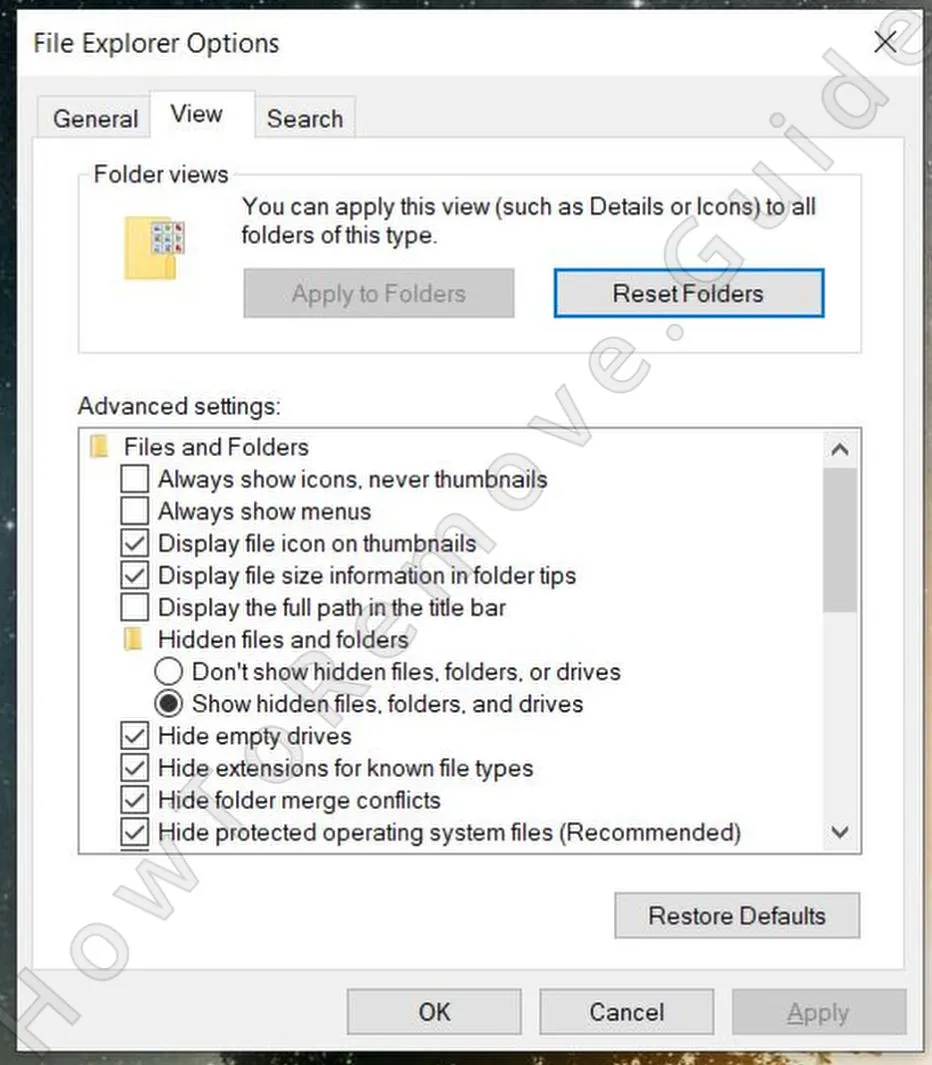 Open the Start Menu, search for “Folder Options”, open the “View” tab, and enable “Show hidden files, folders, and drives”. This reveals concealed paths while you search for Pulse Browser leftovers.
 - 1.2Download LockHunter so you can delete files held by active processes. If a file is “in use,” schedule it for deletion on reboot to remove it cleanly.
Delete Remaining Pulse Browser Files
Now that hidden items are visible, you can sweep the locations where adware commonly stores launchers, shortcuts, and cache data. Work through the folders listed in the next section and delete anything that clearly does not belong, so Pulse Browser cannot relaunch from a leftover file after a reboot.
2. Clear Pulse Browser folders and caches
- 2.1Open these locations and look for folders named Pulse Browser or other items you do not recognize:
→ C:\Users\YourUsername\AppData\Roaming
→ C:\ProgramData\Microsoft\Windows\Start Menu\Programs\Startup
→ C:\Users\YourUsername\AppData\Roaming\Microsoft\Windows\Start Menu\Programs\Startup - 2.2
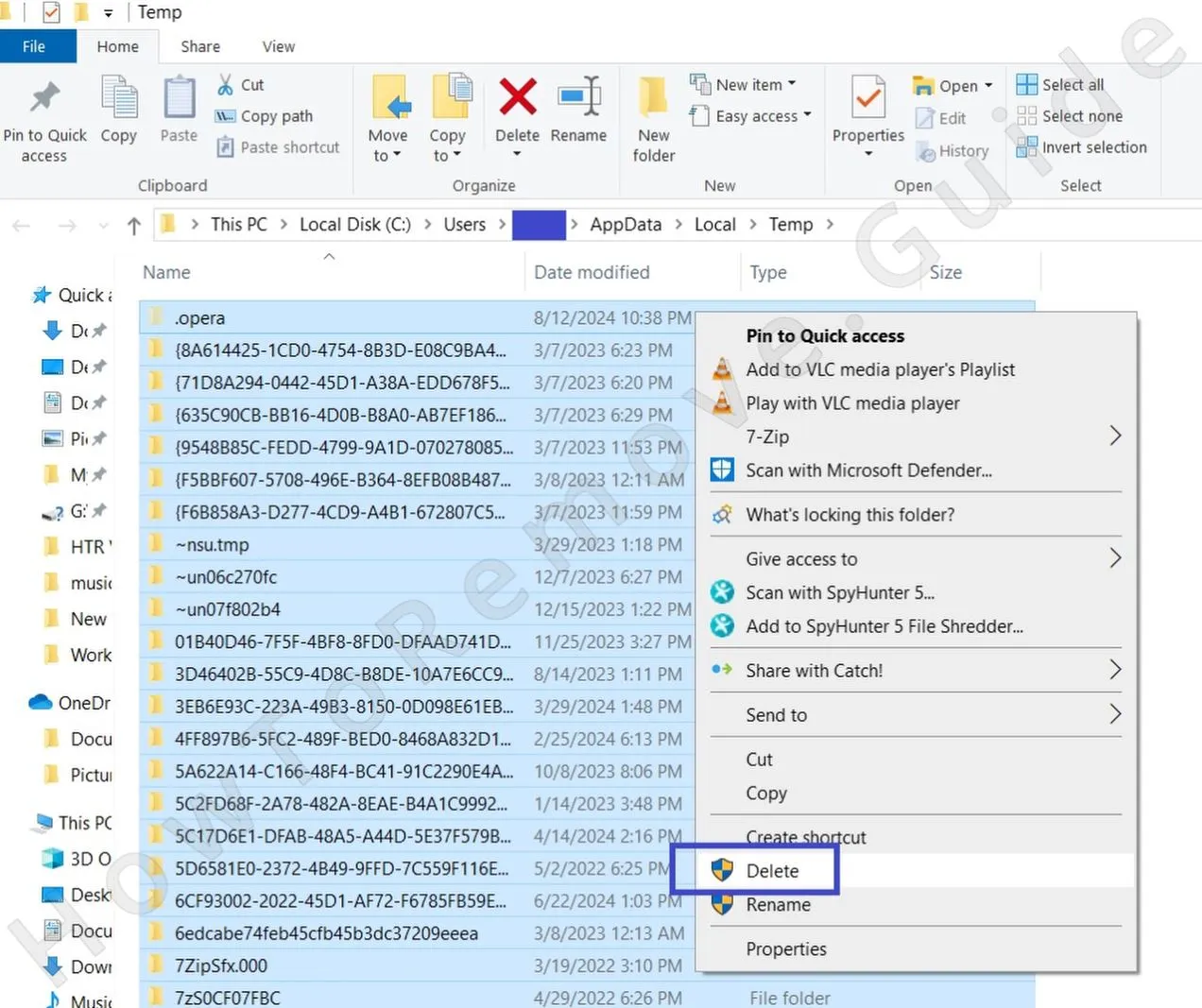 Now clear the Temp folder. Go to:
→ C:\Users\YourUsername\AppData\Local\Temp
Select everything (Ctrl + A) and delete it. These files are temporary, and clearing them can remove installers left behind.
- 2.3Finally, check both Program Files directories:
→ C:\Program Files
→ C:\Program Files (x86)
Investigate unfamiliar folders. If research confirms it is malicious, delete the directory.
Remove Pulse Browser Tasks Scheduled in Windows
Some adware setups rely on scheduled tasks to reopen a browser, re-download components, or relaunch a helper after you delete files. Removing those tasks stops automatic re-entry points and helps your other changes stick. Use Task Scheduler to identify suspicious triggers and actions that point to files associated with Pulse Browser.
3. Remove Pulse Browser tasks from Task Scheduler
- 3.1
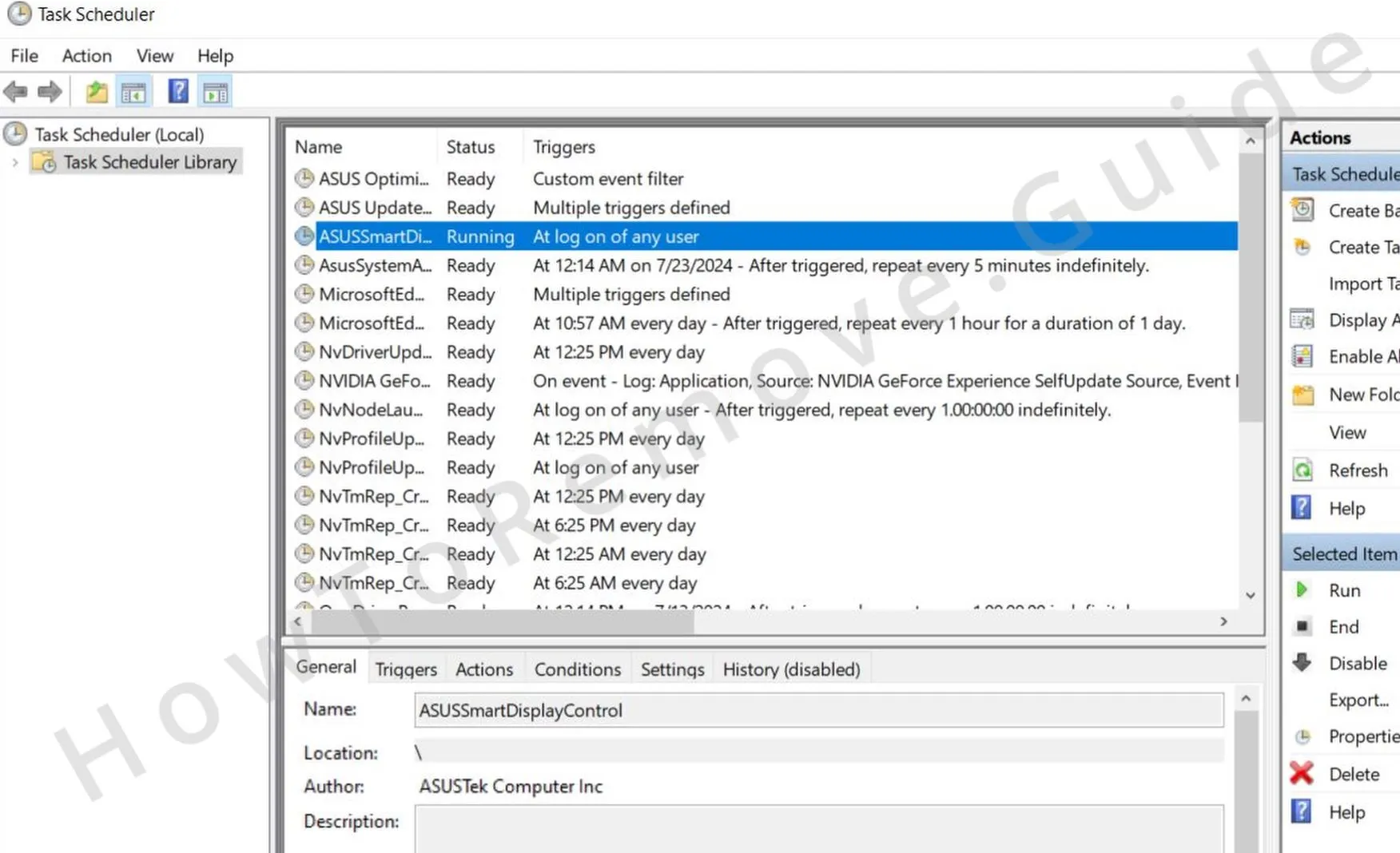 To prevent Pulse Browser from relaunching, open the Task Scheduler (search from the Start Menu) and click the Task Scheduler Library.
 - 3.2Open each task’s Properties and review the “Actions” tab to see the exact command line it runs.
- 3.3Remove tasks that launch unknown executables or scripts, especially items pointing to AppData or Temp folder paths.
We tested that SpyHunter successfully removes Pulse Browser* and we recommend using it. It will block Pulse Browser from reinstalling itself and it will make sure your device is clean from any malware.
Try Free For 7 Days*
Buy now15% OFF if you buy straight without trial.
Remove Pulse Browser Entries From the Windows Registry
Registry entries can outlive file removal and still bring back unwanted behavior on the next start. By removing values tied to Pulse Browser, you reduce the chance that helpers, services, or policy switches reappear automatically. Work slowly and target only entries that clearly match the unwanted program, not general Windows components.
Use caution. Editing the Registry is powerful, and removing the wrong value can change Windows behavior or break normal software. If you would rather not handle this manually, run SpyHunter to locate and remove objects connected to Pulse Browser automatically.
4. Delete Pulse Browser entries from the Registry
- 4.1To remove Pulse Browser manually, open the Registry Editor by searching “regedit” from the Start Menu and launch it as administrator.
- 4.2Press Ctrl + F, search for the program name, and when a result clearly points to a malicious value, right-click and delete it.
- 4.3
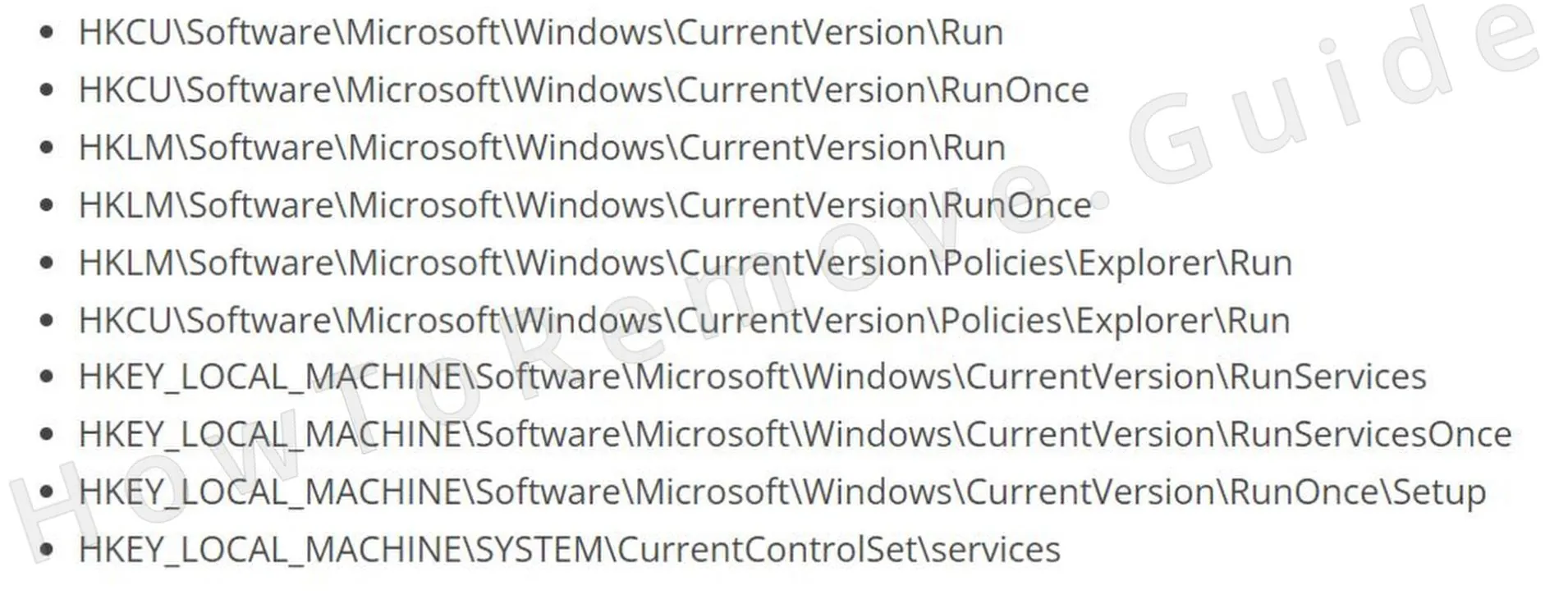 Check these locations as well:
 - 4.4Open each key on the left and inspect the values on the right. Delete items tied to the program, but do not delete the keys themselves.
Remove Pulse Browser Browser Policies
If the browser shows Managed by your organization, policy objects are controlling settings from outside the normal menus. That can prevent changes to extensions, search providers, and startup pages until the policy is removed. Clearing these entries restores control and helps you undo settings added by Pulse Browser.
5. Remove unwanted Pulse Browser browser policies
- 5.1
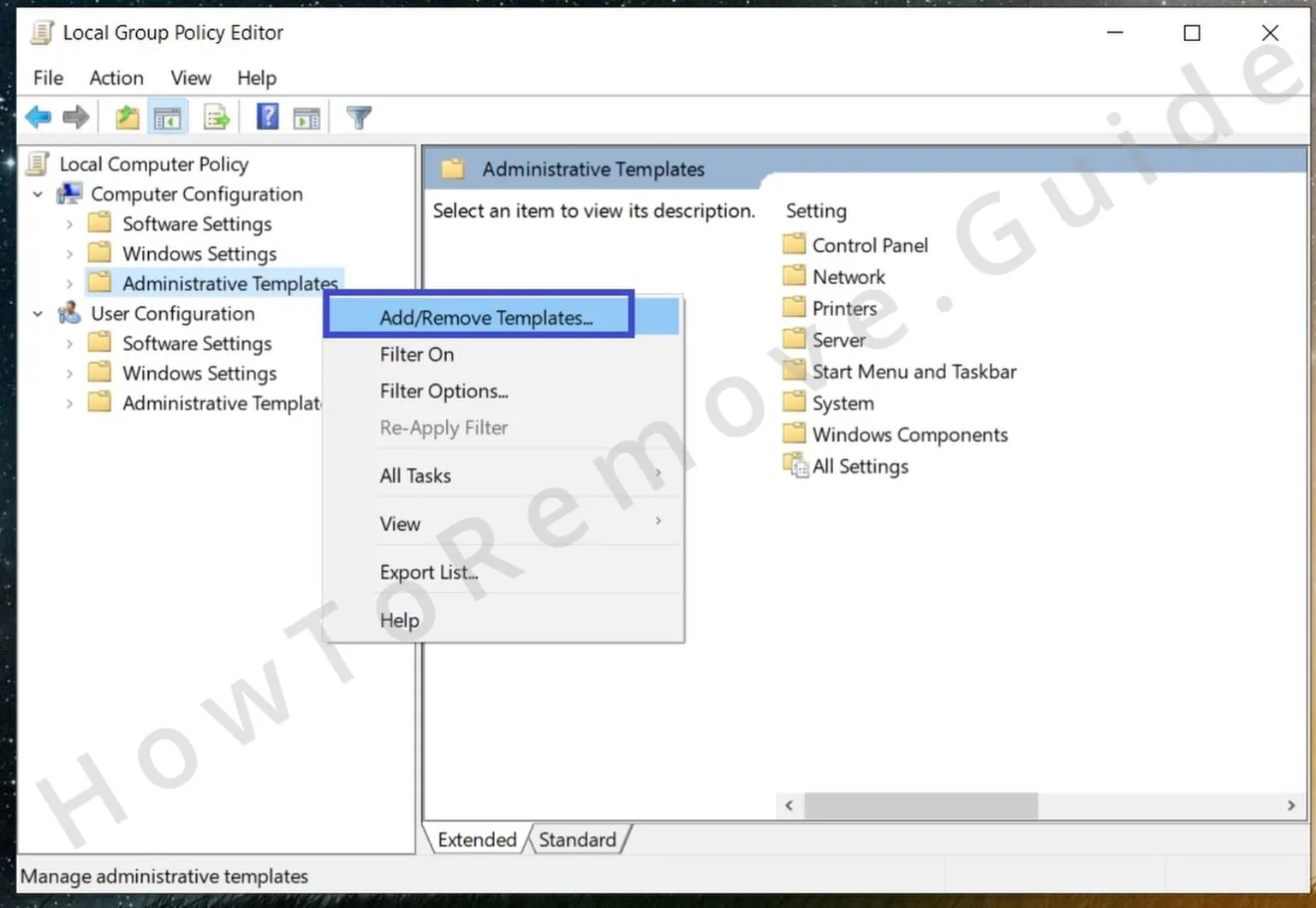 To remove policies set by Pulse Browser, open the Group Policy Editor (search “Edit Group Policy”) and go to Computer Configuration > Administrative Templates.
 - 5.2
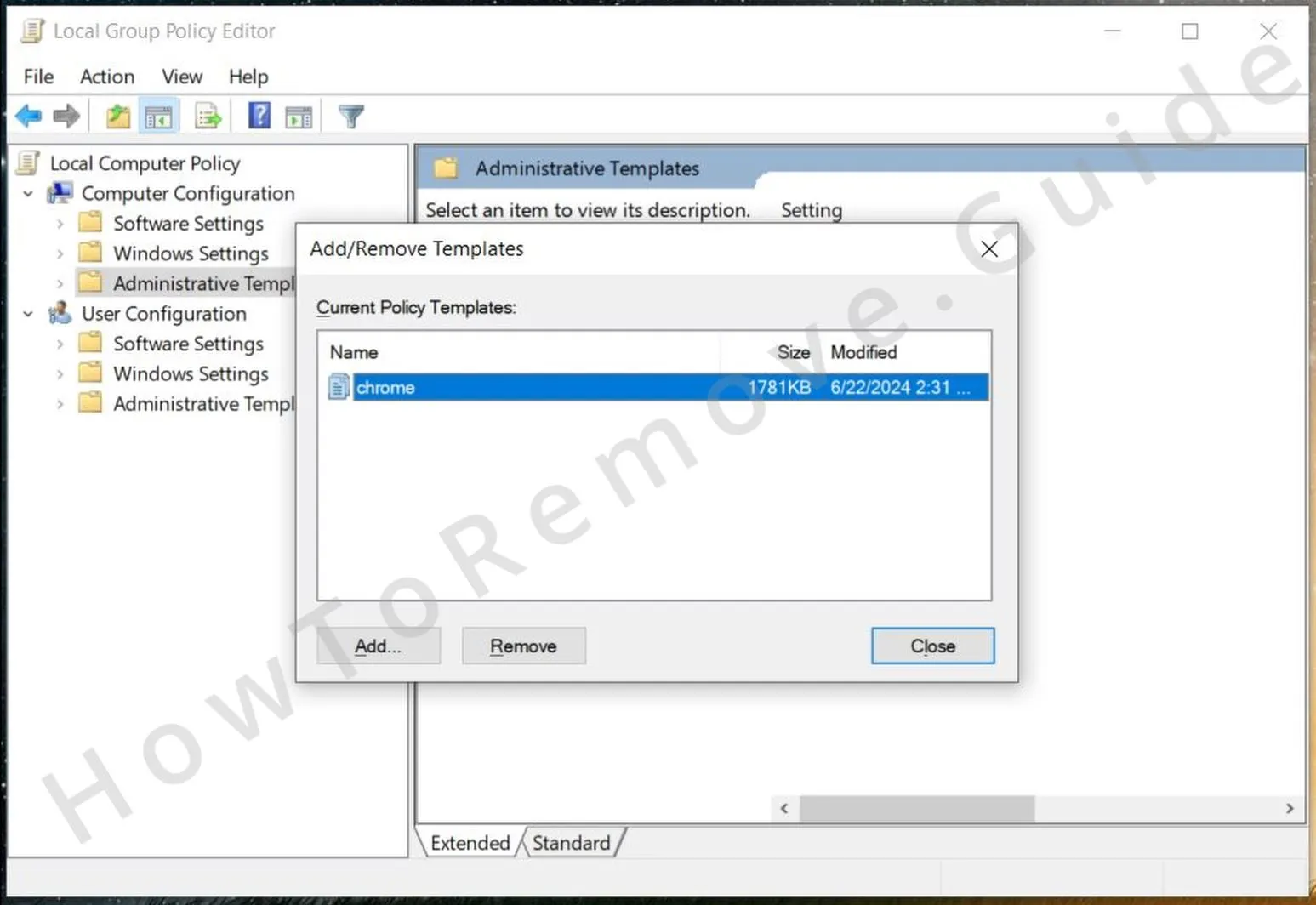 Right-click, select “Add/Remove”, and remove every listed template to reset the applied policies.
 - 5.3If you use Chrome, run Chrome Policy Remover to reset Chrome policies automatically with administrator rights.
- 5.4If Windows shows a prompt, click “More Info” > “Remove Anyway” to proceed.
Uninstall Pulse Browser From Your Browser
Once policies are cleared, review the browser itself because extensions and configuration changes can remain even after system cleanup. Remove unknown add-ons, reset permissions, and confirm that startup and search settings are normal. This reduces the chance of lingering redirects or injected pages tied to Pulse Browser returning after a restart.
5. Remove Pulse Browser from your browser
- 5.1Open your browser’s extensions page and remove add-ons you did not install, especially anything that mentions Pulse Browser.
- 5.2
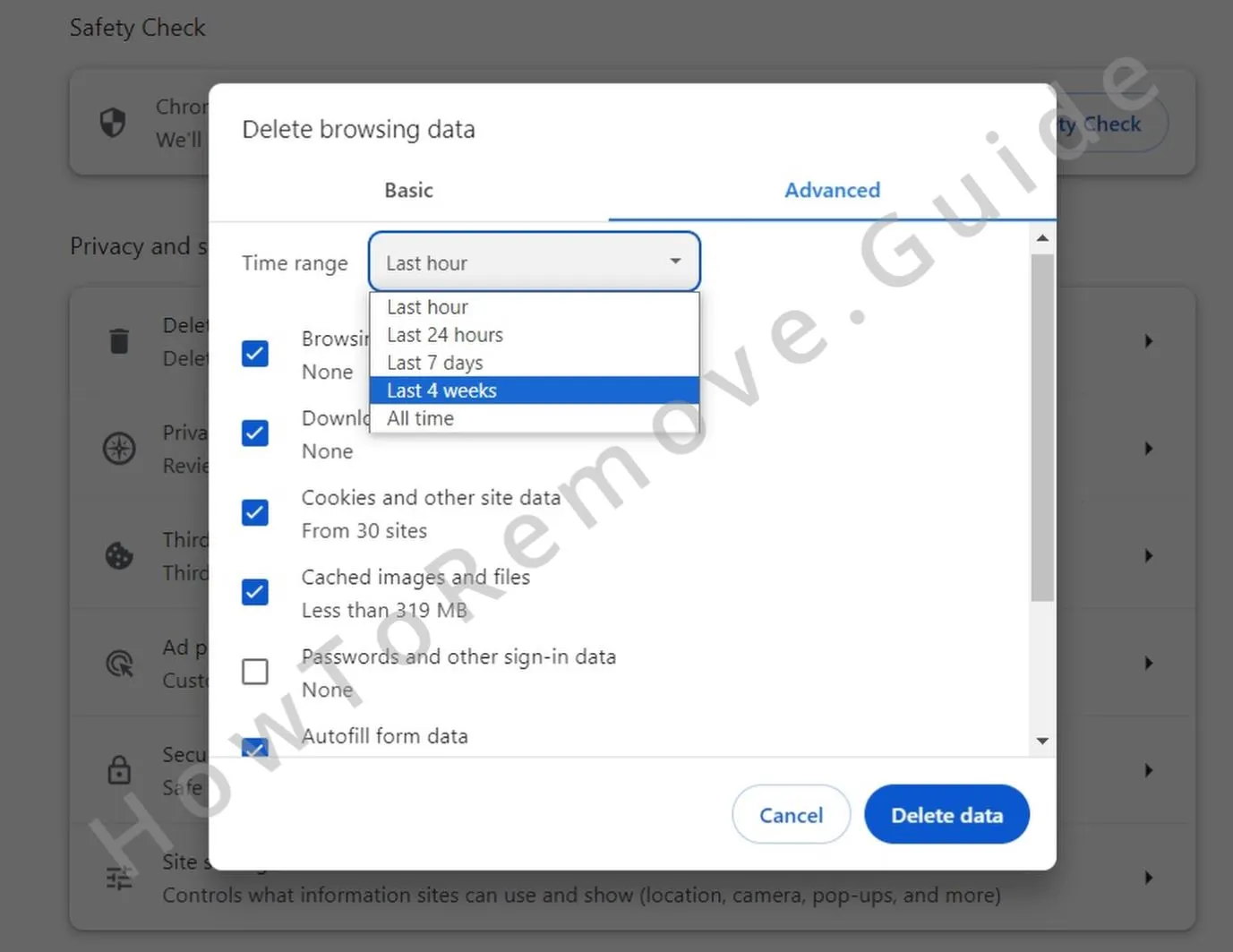 Open Privacy and Security, select All Time, and clear data except passwords.
 - 5.3
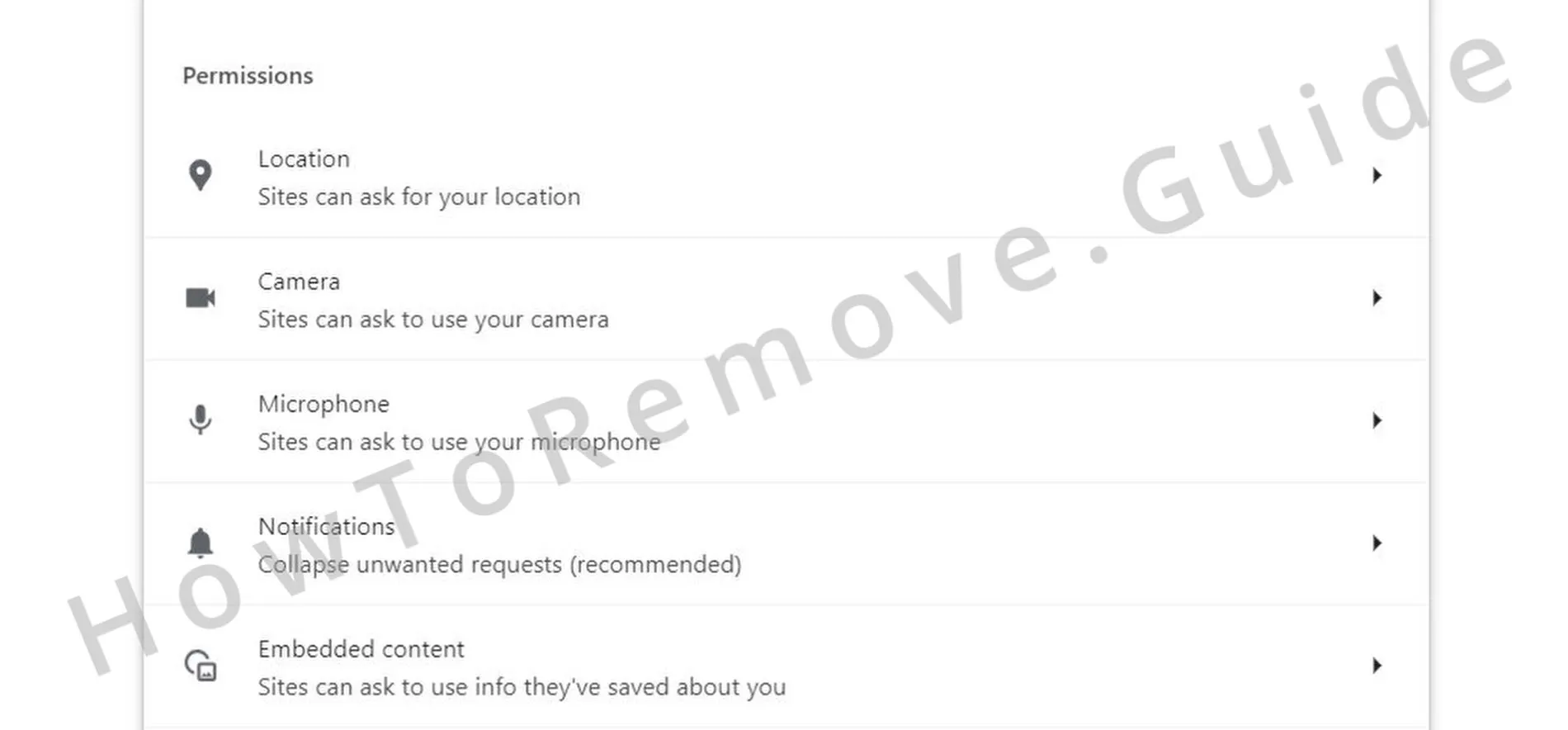 Open Site Settings and remove permissions for sites that should not have them.
 - 5.4
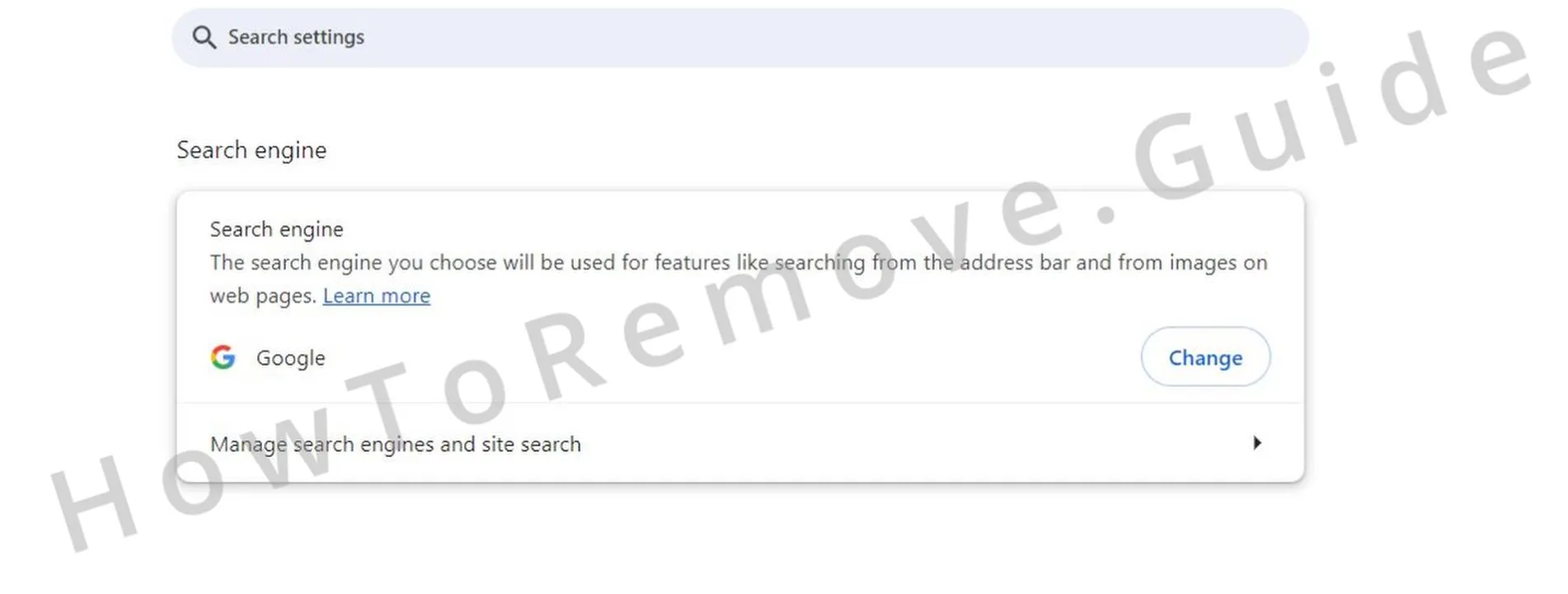 Verify your default search engine. In Manage Search Engines, delete entries you do not recognize.
 - 5.5Review On Startup and Appearance for unwanted URLs and remove them.
